

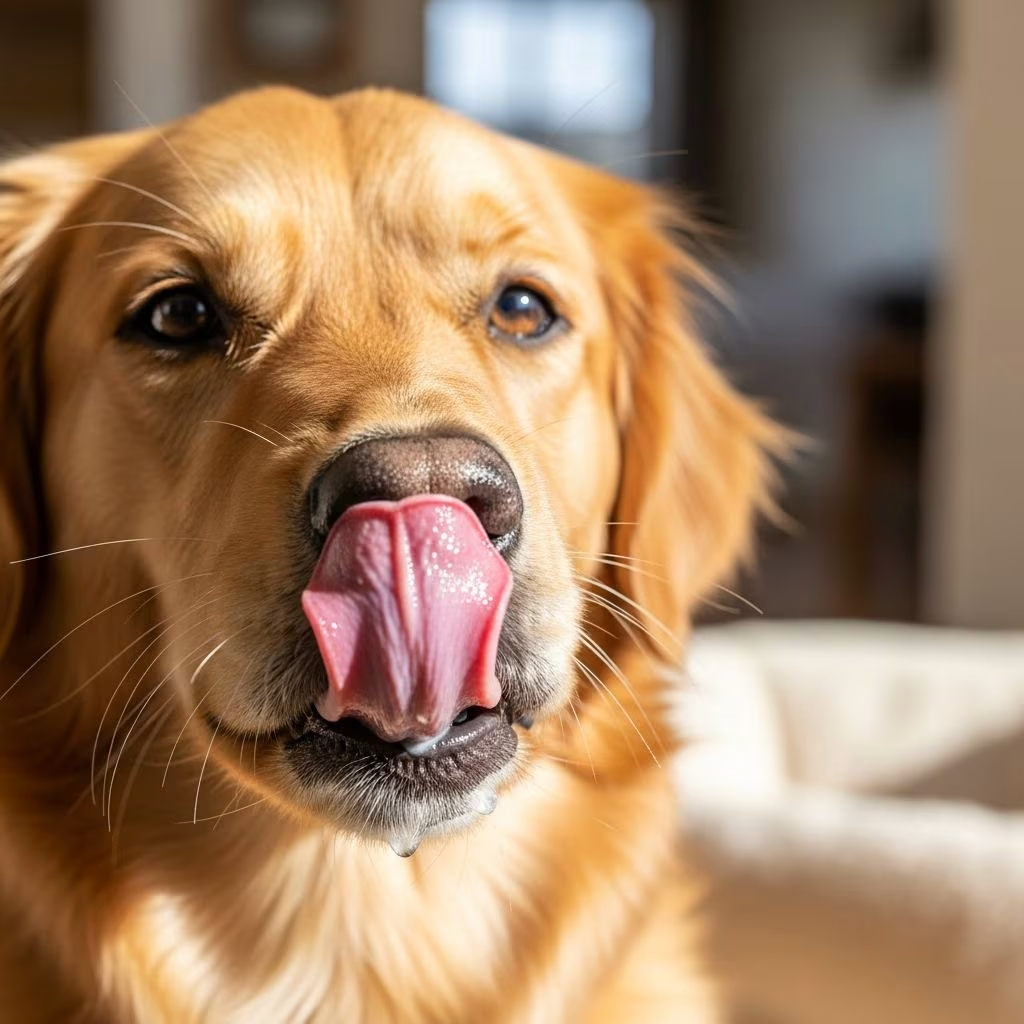
Dogs frequently lick their lips as part of everyday communication or response to sensations, but persistent behavior often signals underlying issues ranging from benign to medical emergencies. Understanding these triggers helps owners respond appropriately, ensuring their pet’s well-being through observation and timely veterinary care.
Normal Reasons for Lip Licking in Dogs
Not all lip licking indicates a problem; many instances stem from instinctive or situational responses. Recognizing these helps distinguish routine actions from those needing attention.
Anticipation of Food or Treats
When mealtime approaches or tasty smells waft from the kitchen, dogs’ salivary glands activate, producing excess saliva that prompts lip licking to manage the flow. This mirrors Pavlovian conditioning, where the mere sight or scent of food elicits a physiological reaction.
Dry Mouth or Minor Irritations
A dry mouth from brief thirst, a speck of debris like grass, or even a fleeting insect on the face can trigger quick licks to moisten or clear the area. These are typically short-lived and resolve without intervention.
When Lip Licking Signals Discomfort or Pain
Excessive or repetitive lip licking often accompanies oral or physical distress, warranting closer inspection of the mouth and overall health.
Oral Pain from Dental Problems
Dental disease tops the list of painful causes, with plaque buildup leading to tartar, gum inflammation, and infections that make chewing agonizing. Affected dogs may paw at their mouth, drop food, exhibit bad breath, or show facial swelling.
| Symptom | Associated with Dental Disease |
|---|---|
| Bad breath (halitosis) | Common due to bacterial overgrowth |
| Excessive drooling | Pain causes saliva buildup |
| Reluctance to eat | Avoids aggravating sore areas |
| Swollen face or gums | Indicates abscess or advanced infection |
| Tooth loss or loosening | Progression of periodontal disease |
Foreign Objects Stuck in the Mouth
Sticks, bones, foxtails, or sharp debris lodged in gums, between teeth, or on the palate provoke constant licking attempts to dislodge them. Check the roof of the mouth carefully, as these can cause gagging or infection if ignored.
Medical Causes Behind Excessive Lip Licking
Several health conditions manifest through increased salivation and lip licking, often paired with systemic symptoms.
Nausea and Gastrointestinal Upset
Just like humans, nauseous dogs produce extra saliva to coat the stomach or throat, leading to lip smacking, gulping, or grass-eating. This precedes vomiting and links to dietary indiscretion, toxins, or organ issues.
Dehydration and Thirst
Dogs with dry mouths from insufficient water intake lick lips to stimulate saliva production. Dehydration signs include tacky gums, lethargy, dark urine, and sunken eyes—critical in hot weather or illness.
Allergies and Skin Irritations
Environmental, food, or flea allergies cause itching around the mouth, nose, paws, or ears, prompting licking for relief. Watch for red skin, hair loss, ear infections, or paw chewing.
- Red, inflamed skin patches
- Chronic ear issues (otitis)
- Yeast or bacterial infections on paws
- Head shaking or face rubbing
- Patchy bald spots from over-grooming
Salivary Gland Disorders
Though rarer, issues like salivary mucoceles or infections lead to swelling under the jaw and nonstop drooling, necessitating surgical intervention.
Behavioral and Emotional Triggers
Dogs use lip licking as non-verbal cues, especially in social or stressful contexts.
Stress, Anxiety, or Fear
Lip licking signals unease, often with yawning, whale eye (whites showing), panting, or body turning away. Common in vet visits, thunderstorms, or conflicts with other dogs.
Compulsive Disorders or Boredom
Obsessive-compulsive behaviors include repetitive lip licking alongside pacing, tail chasing, or shadow biting. Boredom in understimulated dogs amplifies this; enrichment helps.
Cognitive Dysfunction in Seniors
Aging dogs with canine cognitive dysfunction (similar to dementia) may lick lips due to disorientation, anxiety, or altered sleep patterns, often at night.
Serious Health Conditions Linked to Lip Licking
Persistent cases may indicate organ failure or neurological problems requiring immediate vet evaluation.
Kidney or Liver Disease
These cause nausea, toxin buildup, and mouth ulcers, resulting in chronic licking alongside weight loss, vomiting, and lethargy.
Neurological Issues
Seizures, vestibular disease, or brain tumors can provoke abnormal licking or air-licking as focal symptoms.
Toxicity or Poisoning
Ingestion of chemicals, plants, or medications induces salivation and lip licking before more severe effects like tremors or collapse.
How to Monitor and Assess Lip Licking
Track frequency, duration, and context: occasional during meals is normal; constant with other signs demands action.
- Video the behavior for your vet
- Examine mouth gently for abnormalities
- Note diet changes, new environments, or stressors
- Check hydration by pinching skin for tenting
Veterinary Diagnosis and Treatment Options
Vets perform oral exams, bloodwork, dental cleanings, allergy tests, or imaging. Treatments vary: antibiotics for infections, dental extractions, anti-nausea meds, or behavior therapy.
Prevention Strategies for Common Causes
Proactive care minimizes risks.
- Daily tooth brushing with dog-safe paste
- Dental chews and professional cleanings
- Hypoallergenic diets for suspected allergies
- Plenty of fresh water and routine checkups
- Mental stimulation via toys and walks
FAQs About Dog Lip Licking
Is lip licking always a bad sign?
No, it can be normal anticipation, but excessiveness with symptoms like drooling or pain requires vet attention.
How do I know if it’s dental pain?
Look for bad breath, dropped food, pawing, or reluctance to chew hard kibble.
Can allergies cause only lip licking?
Yes, subtle cases show isolated licking before other skin signs emerge.
When should I see a vet urgently?
If accompanied by vomiting, swelling, lethargy, or sudden onset—don’t delay.
Does age affect lip licking causes?
Seniors often have cognitive or dental issues; puppies may have foreign objects.
References
- Dog Keeps Licking Lips: 10 Causes — ToeGrips. 2023-05-15. https://toegrips.com/dog-keeps-licking-lips/
- Is Your Dog Licking His Lips? This Could Be Why — PetPlace. 2024-02-10. https://www.petplace.com/article/dogs/pet-health/dog-health/is-your-dog-licking-his-lips-this-could-be-why
- 10 Reasons Your Dog Might Be Licking Their Lips — Neater Pets. 2023-11-20. https://neaterpets.com/blogs/news/10-reasons-dog-licking-lips
- Why Dogs Lick Excessively — Whole Dog Journal. 2024-01-05. https://www.whole-dog-journal.com/behavior/why-dogs-lick-excessively/
- Why Does my Dog Lick So Much? — Pet Health Network. 2023-08-12. https://www.pethealthnetwork.com/dog-health/dog-diseases-conditions-a-z/why-does-my-dog-lick-so-much
- What Is the Meaning of Lip Licking or Air Licking in Dogs? — Psychology Today. 2018-06-15. https://www.psychologytoday.com/us/blog/canine-corner/201806/what-is-the-meaning-lip-licking-or-air-licking-in-dogs



