

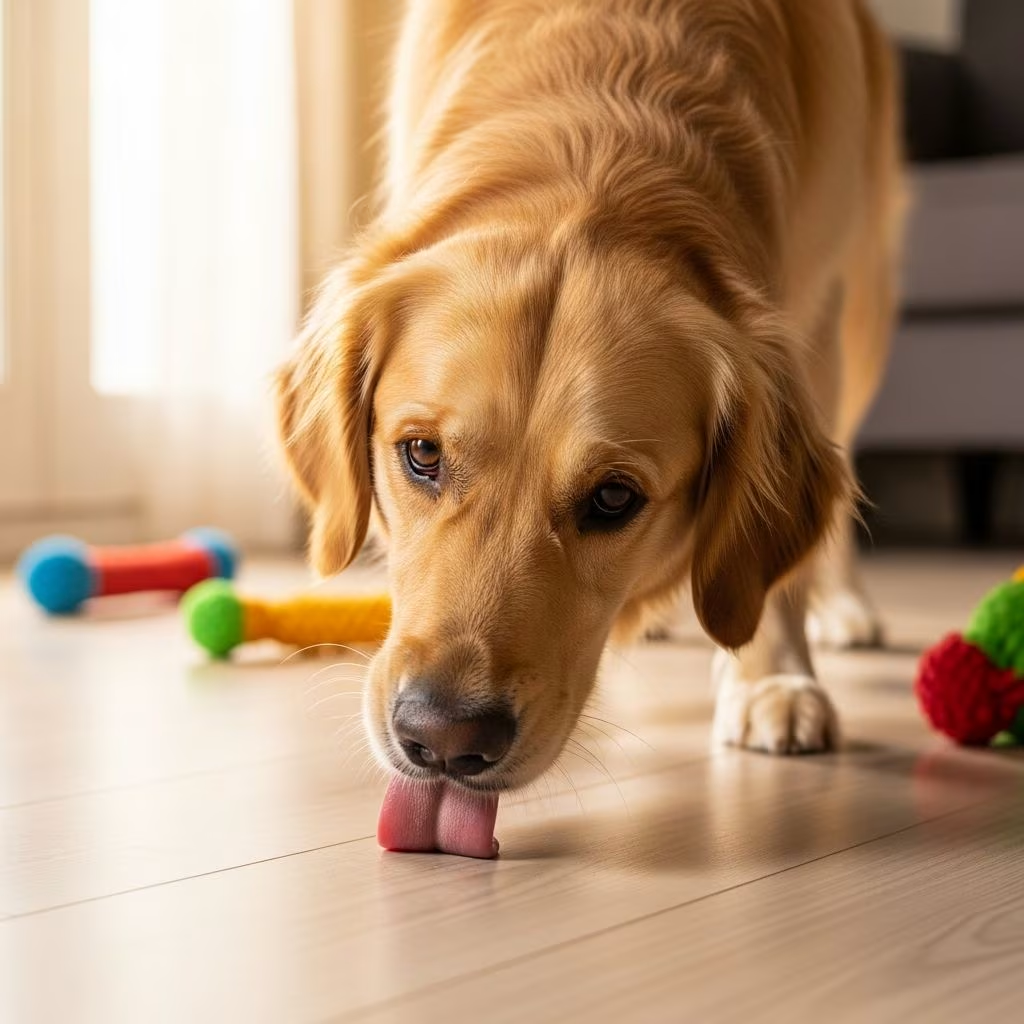
Dogs often lick floors as a way to investigate their surroundings, but persistent behavior can signal deeper issues ranging from hunger cues to health problems. Understanding the root cause helps pet owners respond effectively, ensuring their canine companions stay healthy and happy.
Understanding the Instinct Behind Floor Licking
Canines naturally use their mouths and tongues to explore environments, much like how they sniff or paw at objects. A quick lick on the floor might stem from detecting faint odors or textures that intrigue them. However, when this turns into repetitive action, it warrants closer attention to distinguish normal curiosity from potential concerns.
- Sensory Exploration: Dogs possess over 300 million olfactory receptors, far surpassing humans, allowing them to pick up microscopic residues.
- Taste Testing: Salty or savory remnants from meals draw their attention repeatedly.
- Texture Appeal: Cool tiles or rough carpets provide satisfying sensations during licks.
Common Behavioral Triggers for Floor Licking
Many instances of floor licking arise from everyday behavioral factors rather than medical ones. Recognizing these allows for simple adjustments in a dog’s routine.
Boredom and Lack of Stimulation
When dogs lack mental or physical engagement, they turn to repetitive actions like licking floors for entertainment. This is especially common in high-energy breeds or those left alone for extended periods. Increasing playtime, puzzle toys, or walks can redirect this energy positively.
Stress and Anxiety Responses
Licking serves as a calming mechanism, releasing endorphins that soothe anxious dogs. Triggers include changes in household dynamics, loud noises, or separation from owners. Signs like pacing or whining often accompany this, indicating emotional distress rather than physical hunger.
| Behavioral Trigger | Common Signs | Quick Fixes |
|---|---|---|
| Boredom | Repetitive licking in idle moments | Interactive toys, longer walks |
| Anxiety | Licking with panting or hiding | Calming aids, routine consistency |
| Habit Formation | Licking same spot daily | Redirect with commands, new routines |
Nutritional Factors Influencing Licking Habits
Dogs may lick floors to compensate for dietary shortcomings, seeking minerals or flavors absent from their meals. Low-quality kibble or imbalanced homemade diets can exacerbate this.
- Mineral Deficiencies: Cravings for iron or salt lead to floor scavenging, particularly on concrete or tiled surfaces.
- Pica Behavior: This compulsion to consume non-food items often ties to vitamin gaps, prompting vet-recommended blood tests for confirmation.
- Food Transition Issues: Sudden diet changes cause tummy upset, manifesting as floor licking for relief.
To address this, consult a veterinarian for tailored nutrition plans, possibly including supplements after diagnostic checks.
Medical Conditions Linked to Excessive Floor Licking
Persistent licking frequently points to underlying health problems, necessitating professional evaluation to prevent escalation.
Gastrointestinal Disturbances
Conditions like inflammatory bowel disease (IBD), pancreatitis, or parasitic infections commonly cause nausea, prompting dogs to lick surfaces for soothing. Studies show over 50% of dogs with excessive licking improve post-GI treatment. Accompanying symptoms include vomiting, diarrhea, or appetite loss.
Allergies and Skin Irritations
Food or environmental allergens lead to itchy paws or stomachs, resulting in floor licking as displacement. Dogs may also scratch excessively or develop hot spots.
Dental and Oral Discomfort
Tooth decay or gum disease makes eating painful, so dogs lick cool floors for temporary relief. Bad breath or dropped food kibble are key indicators.
Systemic Illnesses
Kidney disease, liver dysfunction, or acid reflux (GERD) alter taste perceptions or cause nausea, driving licking. Senior dogs might exhibit this due to cognitive dysfunction syndrome (CDS).
- Neurological disorders: Seizure precursors or brain changes in older dogs.
- Pancreatitis: Enzyme imbalances irritate the abdomen, linking to floor licking.
When to Seek Veterinary Help
Not all floor licking requires alarm, but monitor for red flags like sudden onset, weight loss, lethargy, or licking lasting over 30 minutes daily. Start with a vet exam including bloodwork, fecal tests, and possibly imaging to rule out GI or organ issues.
Early intervention often resolves behaviors through targeted treatments like diet switches, medications, or parasite deworming.
Practical Strategies to Curb Floor Licking
Combine behavioral tweaks with health checks for comprehensive management.
- Clean Thoroughly: Vacuum daily and use enzymatic cleaners to eliminate scents.
- Enrich Environment: Provide lick mats with safe spreads like peanut butter or frozen broth.
- Diet Optimization: Switch to hypoallergenic or prescription foods under vet guidance.
- Training Techniques: Use “leave it” commands reinforced with treats; positive reinforcement works best.
- Stress Reduction: Incorporate calming pheromone diffusers or anxiety wraps.
Preventive Measures for Long-Term Success
Proactive care minimizes licking incidents. Regular vet check-ups, balanced nutrition, and ample exercise form the foundation. Track behavior in a journal to spot patterns early.
| Prevention Step | Frequency | Expected Benefit |
|---|---|---|
| Health Screenings | Annually or biannually | Early detection of deficiencies or illnesses |
| Mental Stimulation | Daily | Reduces boredom-driven habits |
| Diet Reviews | Quarterly | Ensures nutritional completeness |
FAQs on Dog Floor Licking
Is floor licking always a sign of illness?
No, it can be behavioral, but persistence over weeks merits a vet visit to exclude medical causes.
Can diet alone fix excessive licking?
Diet helps with nutritional issues, but GI or anxiety problems need holistic approaches including vet care.
How do I stop my puppy from licking floors?
Puppies often outgrow exploratory licking; provide toys and training to redirect focus early.
Does breed influence floor licking tendencies?
High-drive breeds like Labs may lick more from boredom, while anxious breeds like shepherds show stress-related licking.
What if licking leads to vomiting?
This signals nausea or obstruction; seek immediate veterinary attention.
References
- Why Is My Dog Licking the Floor? — Petcube. 2023. https://petcube.com/blog/dog-licking-the-floor/
- Dog Licking Floor and Upset Stomach: Causes and Solutions — Under the Weather Pet. 2024. https://www.undertheweatherpet.com/blogs/under-the-weather/dog-licking-floor-and-upset-stomach-causes-and-solutions
- Why is my dog licking the floor? — ManyPets. 2024. https://manypets.com/uk/articles/why-is-my-dog-licking-the-floor/
- Help! Why Is My Dog Constantly Licking The Floor? — Zigzag. 2023. https://zigzag.dog/en-us/blog/puppy-behavior/understanding-your-puppy/help-why-is-my-dog-constantly-licking-the-floor/
- Strange Dog Behavior: Why is My Dog Licking the Floor? — Dharamsala Animal Rescue. 2022. https://dharamsalaanimalrescue.org/strange-dog-behavior-why-is-my-dog-licking-the-floor/
- Excessive Licking, Chewing, and Grooming in Dogs — PetMD. 2024. https://www.petmd.com/dog/general-health/excessive-licking-chewing-and-grooming-dogs



