

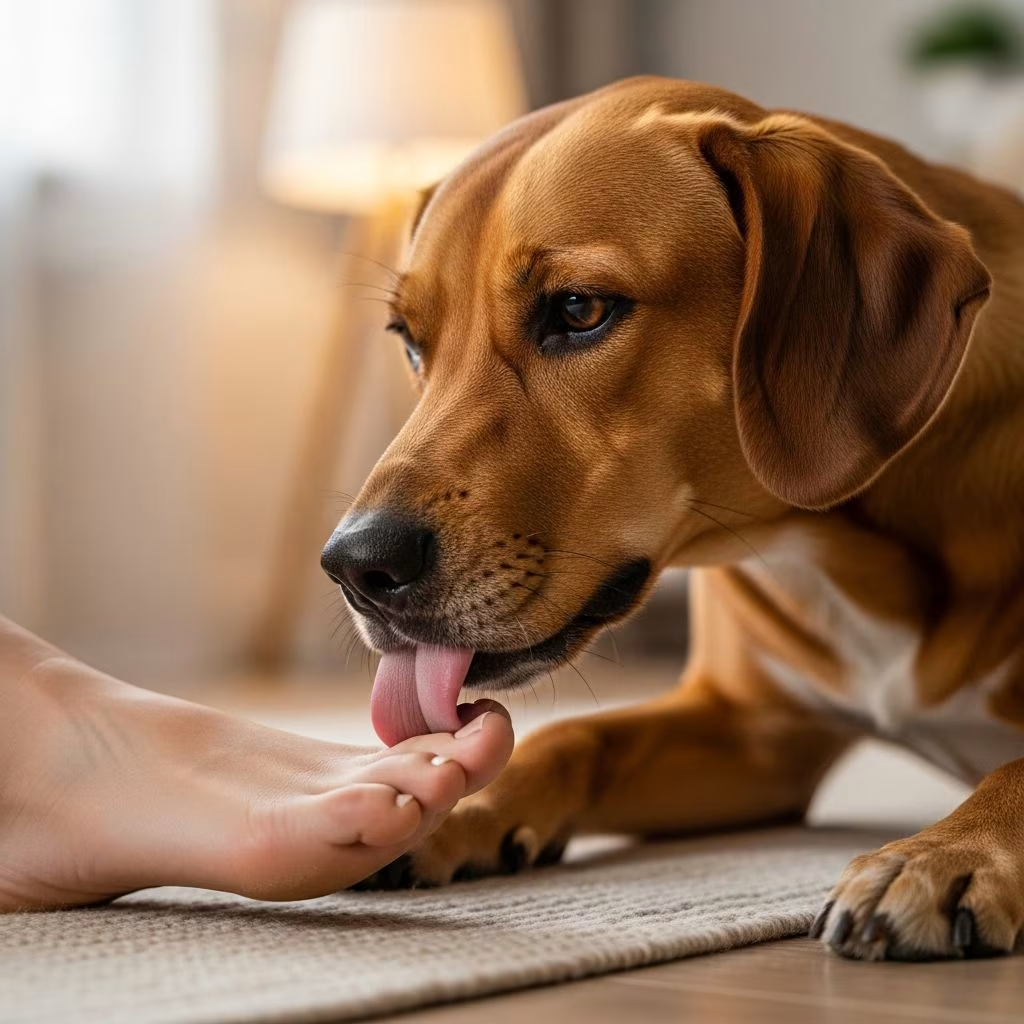
Dogs licking human feet is a common behaviour that puzzles many pet parents. This habit stems from instinctual drives, social bonding, and sensory exploration, often signalling affection or curiosity rather than a problem. While generally harmless, understanding the motivations helps strengthen your bond and address any underlying issues.
Is It Normal for Dogs to Lick Their Owner’s Feet?
Yes, dogs licking feet is entirely normal and reflects their natural communication methods. Feet represent accessible parts of their human pack members, rich in scents and tastes that intrigue canine senses. Clinical animal behaviourist Rachel Rodgers notes that while not every dog does this, it’s not abnormal or harmful to the dog’s health—some simply prefer it over other areas like faces or hands. Individual personality, breed, and early experiences influence this; for instance, her two dogs differ, with one fixated on feet and the other indifferent.
This behaviour mimics wild canid interactions, where licking conveys submission, greeting, or care within the pack. Domestic dogs extend this to humans, viewing feet as low-hanging fruit for interaction since they’re often bare or exposed during relaxation.
6 Common Reasons Why Your Dog Licks Your Feet
Dogs lick feet for multifaceted reasons blending emotion, physiology, and environment. Here’s a breakdown of the primary drivers:
- Affection and Bonding: Licking is a primary love language for dogs, releasing endorphins for both parties. Feet, being close to the ground like a pack mate’s muzzle, become a target for this display. Rodgers explains it’s akin to dog-dog greetings, reinforcing emotional ties.
- Taste Appeal: Human feet accumulate sweat, salt, and skin cells, tasting like a salty treat to dogs with 1,700 taste buds tuned for such flavours. Post-workout or barefoot feet amplify this allure, especially for breeds like Labradors with strong food drives.
- Attention-Seeking: If licking elicits reactions—laughter, petting, or scolding—dogs learn it guarantees focus. Positive reinforcement, even negative attention, perpetuates the cycle as dogs crave interaction.
- Grooming Instinct: Dogs may ‘clean’ feet observing maternal grooming in puppyhood. Though less thorough than cats, this allogrooming fosters hygiene and closeness within the family unit.
- Self-Soothing and Stress Relief: Licking triggers calming oxytocin release, helping anxious dogs cope. Observed in puppies separated from litters or adults in stressful homes, excessive foot focus might indicate unease.
- Exploration and Information Gathering: Feet carry environmental scents from walks—grass, other dogs, food—that dogs ‘read’ via licking, their most sensitive sensory tool beyond sniffing.
When Foot Licking Might Signal a Problem
Occasional licking is benign, but obsession warrants scrutiny. Signs of concern include:
- Intense, non-stop sessions lasting minutes or targeting one foot.
- Accompanied by whining, pacing, or avoidance of eye contact, hinting at anxiety.
- Red, inflamed, or sore feet from excessive saliva, risking bacterial infections like lick granulomas.
- Sudden onset in older dogs, possibly linked to allergies, pain, or cognitive decline.
Consult a vet if licking persists despite redirection, or if feet show dermatitis, swelling, or odour changes. Nutritional deficiencies (e.g., salt craving from low-sodium diets) or gastrointestinal issues can also drive this.
How to Train Your Dog to Stop Licking Feet
Curbside excessive licking humanely using positive reinforcement and behaviour modification. Follow these steps:
- Prevent Reinforcement: Ignore licks—turn away silently without eye contact or talking. No laughing or pushing, as these reward the behaviour.
- Redirect Proactively: Offer alternatives like a lick mat with peanut butter or a stuffed Kong before they target feet. Interrupt with a command like ‘sit’ followed by treats.
- Manage Antecedents: Per Rodgers’ ABC model (Antecedent-Behaviour-Consequence), alter triggers: wear socks, keep feet covered, or use baby gates during high-risk times like evenings.
- Increase Enrichment: Boost daily exercise (30-60 minutes walks/runs) and mental puzzles to reduce boredom-driven licking.
- Train ‘Leave It’: Practice with low-value items, rewarding compliance, then apply to feet.
- Seek Professional Help: For compulsive cases, consult a certified behaviourist; medications may address severe anxiety.
Consistency from all household members is key; expect 2-4 weeks for habit change.
Understanding Canine Senses: Why Feet Fascinate Dogs
Dogs perceive feet uniquely via their olfactory prowess—300 million scent receptors vs. humans’ 6 million. Feet sweat through 250,000 pores, embedding pheromones, bacteria, and territorial markers. Licking transfers this to vomeronasal organs for detailed analysis, explaining prolonged interest.
| Human Feet Appeal to Dogs | Why? |
|---|---|
| Salt & Sweat | Natural electrolyte craving |
| Scents from Outdoors | Environmental intel |
| Skin Flakes | Protein source |
| Owner Pheromones | Familiar comfort |
Health Considerations and Vet Insights
Beyond behaviour, monitor for pododermatitis or yeast infections exacerbated by saliva. Dr. Kristi Flynn highlights paw-related issues, noting feet’s vulnerability. Clean feet post-licking with pet-safe wipes; moisturise dry skin to deter licking.
Frequently Asked Questions (FAQs)
Why does my dog lick my feet only at night?
Nighttime relaxation exposes feet, plus heightened senses in quiet environments amplify appeal. It may also soothe separation anxiety if you’re leaving for bed.
Is foot licking a sign of dominance?
No, modern ethology debunks this; it’s affiliative, not dominant. Context like relaxed body language confirms affection.
My puppy licks feet excessively—what should I do?
Puppies explore orally; redirect to toys and train early. If persistent, rule out teething discomfort.
Can I use bitter sprays on feet?
Yes, pet-safe apple bitter sprays deter without harm, but pair with positive alternatives for best results.
Does breed affect foot licking?
Breed-independent, but scent hounds (Bloodhounds) and velcro breeds (Labs) show more interest due to genetics.
Bottom Line
Dogs lick feet to express love, explore, or self-soothe—embrace it moderately or train boundaries confidently. Attuned observation deepens your connection while ensuring health.
References
- Why Does Your Dog Lick Your Legs? Our Experts Explain — Kinship. 2023. https://www.kinship.com/dog-behavior/why-does-my-dog-lick-my-legs
- If Dogs LICK Your Feet, Here’s What They’re Secretly Telling You — YouTube (Dog Expert Insights). 2023. https://www.youtube.com/watch?v=bXhSFShfSfo
- Why Does My Dog Lick My Feet? An In-Depth Exploration — 84 Acres. 2023. https://www.84acres.co.uk/post/why-does-my-dog-lick-my-feet-an-in-depth-exploration-of-canine-behavior
- Dr. Kristi Flynn – Pet Health Insights — Kinship. 2023. https://www.kinship.com/about-us/dr-kristi-flynn
- Canine Olfactory Capabilities — American Kennel Club (official breed/behavior resource). 2024-01-10. https://www.akc.org/expert-advice/training/dog-senses/



