

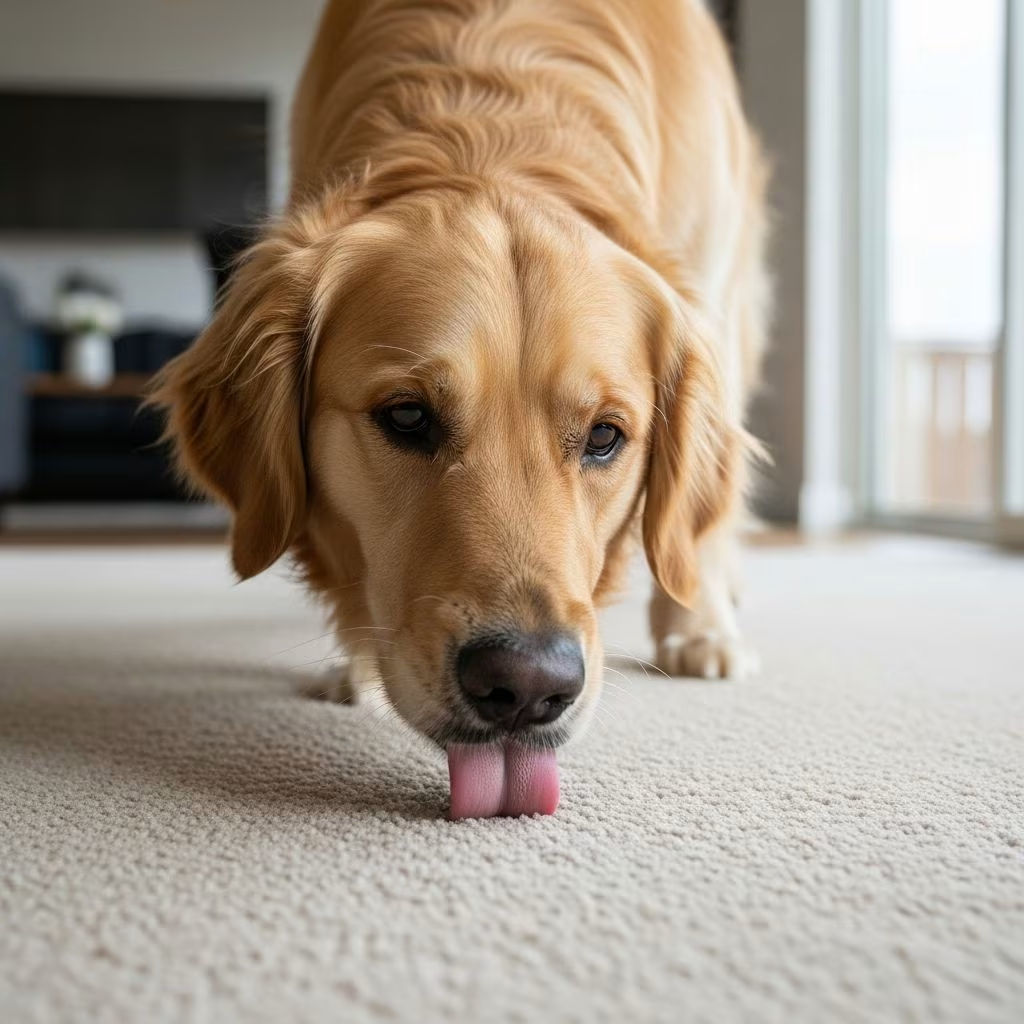
Dogs often lick carpets as a response to underlying health problems, nutritional deficiencies, or emotional distress. This behavior, while seemingly harmless, can signal issues ranging from gastrointestinal discomfort to anxiety, requiring prompt observation and intervention.
Recognizing the Signs of Excessive Carpet Licking
Occasional licking might stem from scavenging dropped food particles, but persistent carpet licking demands attention. Watch for accompanying symptoms like lip-smacking, drooling, vomiting, diarrhea, or reduced appetite, which often point to nausea or digestive upset. Behavioral cues include restlessness, pacing, or licking in specific spots, potentially indicating stress or boredom.
- Hair loss or skin irritation: Areas around the mouth or paws may show redness from constant moisture.
- Changes in routine: Licking intensifies during alone time or after meals, suggesting anxiety or dietary triggers.
- Auditory signs: Increased stomach gurgling or whining alongside licking.
Tracking these patterns in a journal helps veterinarians pinpoint causes during check-ups.
Common Health-Related Triggers
Medical conditions frequently drive dogs to lick carpets in an attempt to soothe internal discomfort. Nausea, for instance, prompts air or surface licking as dogs seek relief, often linked to dietary indiscretions or infections.
Gastrointestinal Distress and Nausea
Dogs lick carpets when feeling queasy, mimicking grass-eating to induce vomiting. Causes include eating spoiled food, sudden diet shifts, or pancreatitis, where inflammation leads to persistent discomfort. Symptoms escalate with belly bloating or lethargy.
Allergies and Skin Conditions
Allergic reactions to food proteins, pollen, or flea saliva cause itching, prompting excessive licking. Environmental atopy affects paws and ears, while food allergies manifest as gastrointestinal woes alongside carpet fixation. Secondary yeast or bacterial infections thrive in licked areas, worsening discoloration and odor.
| Condition | Symptoms | Common Triggers |
|---|---|---|
| Nausea | Lip licking, drooling, vomiting | Diet change, toxins, infections |
| Allergies | Itching, red skin, ear issues | Pollen, food, fleas |
| Infections | Discharge, foul smell | Yeast/bacteria in moist areas |
Nutritional Imbalances
Deficiencies in minerals like iron or pica behaviors lead to compulsive licking of non-food surfaces. Anemic dogs or those with malnutrition seek textures mimicking missing nutrients.
Behavioral and Environmental Factors
Not all carpet licking is medical; psychological elements play a key role. Boredom in understimulated dogs results in repetitive actions, while separation anxiety manifests as obsessive licking when owners leave.
- Stress responses: Changes in household dynamics or loud noises trigger self-soothing licks.
- Attention-seeking: Dogs learn licking garners reactions from owners.
- Boredom: Lack of exercise or toys leads to environmental fixation.
Observe if licking correlates with alone time or routine disruptions to differentiate from health issues.
When to Consult a Veterinarian
Seek professional help if licking persists beyond a few days, accompanies weight loss, bloody stools, or extreme lethargy. Vets perform fecal tests, bloodwork, and urinalysis to rule out parasites, infections, or organ issues.
For nausea suspicions, expect diagnostics for blockages or pancreatitis. Allergy testing involves elimination diets or skin biopsies. Early intervention prevents complications like dehydration or chronic skin damage.
Immediate Steps to Manage the Behavior
While awaiting vet advice, withhold food for 12-24 hours (water only) to settle stomachs, then reintroduce bland meals like boiled chicken and rice. Clean carpets thoroughly to remove enticing residues.
Environmental Modifications
Block access to carpets with gates or bitter sprays. Provide chew toys, puzzle feeders, or frozen treats to redirect energy.
Training Strategies
Use positive reinforcement: Reward ignoring carpets with treats and praise. Desensitization exposes dogs gradually to triggers while offering alternatives.
- Identify trigger times.
- Interrupt gently with a command like “leave it.”
- Redirect to approved toy.
- Reinforce calm behavior.
Long-Term Prevention Techniques
Prevent recurrence through balanced diets free of allergens, regular exercise (30-60 minutes daily), and mental stimulation via training or agility games. Probiotics support gut health, reducing nausea episodes.
Annual wellness exams catch issues early. For anxious dogs, calming supplements or pheromone diffusers prove effective.
Dietary Adjustments for Healthier Dogs
Switch to hypoallergenic kibble after vet approval. Monitor for sensitivities by noting reactions post-meals. Hydration bowls with floating toys encourage drinking, preventing urinary issues that indirectly cause licking.
| Diet Tip | Benefit |
|---|---|
| Hypoallergenic food | Reduces allergy flares |
| Probiotic additives | Stabilizes digestion |
| Small frequent meals | Prevents overload |
Understanding Breed and Age Influences
Certain breeds like Labradors show higher pica tendencies due to food drive, while seniors lick more from cognitive decline or dental pain. Puppies explore via mouths, but persistence warrants checks.
FAQs
Is carpet licking always a sign of illness?
No, it can be behavioral, but persistent cases often link to health issues like nausea or allergies. Monitor for other symptoms.
How do I stop my dog from licking carpets at night?
Crating or providing a comfy alternative bed with toys reduces access. Address anxiety with routines.
Can diet alone fix this behavior?
Diet helps if allergies or nausea are culprits, but combine with vet checks and training for best results.
What if my dog licks and then vomits?
This suggests nausea; rush to vet for possible obstruction or pancreatitis evaluation.
Are there safe home remedies?
Bland diets and distractions work short-term, but don’t delay professional diagnosis.
Holistic Approaches to Canine Well-Being
Incorporate walks in nature for stress relief and scent exploration. Massage therapy soothes tense muscles, curbing compulsive habits. Essential oil diffusers (pet-safe lavender) calm without chemicals.
Track progress weekly: Reduced licking indicates success. Adjust based on responses for tailored care.
References
- Dog Licking Floor and Upset Stomach: Causes and Solutions — Under the Weather Pet. 2023. https://www.undertheweatherpet.com/blogs/under-the-weather/dog-licking-floor-and-upset-stomach-causes-and-solutions
- Why is My Dog Licking the Carpet? — Pristine Carpet Cleaning. 2022. https://pristinecarpetcleaning-co.com/why-is-my-dog-licking-the-carpet/
- Excessive Licking, Chewing, and Grooming in Dogs — PetMD. 2025-01-15. https://www.petmd.com/dog/general-health/excessive-licking-chewing-and-grooming-dogs



