

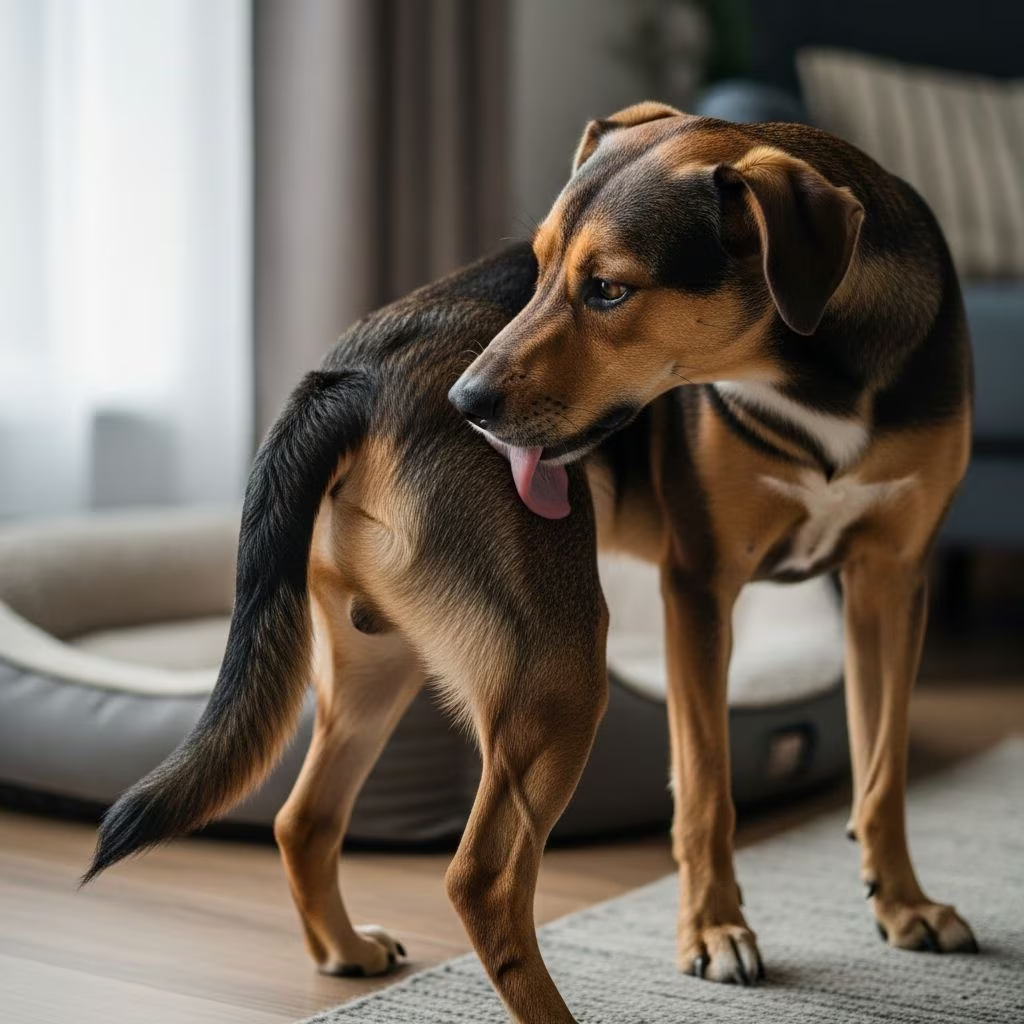
Why Do Dogs Lick Their Butt? Understanding Normal Behavior vs. Medical Concerns
If you’ve noticed your dog licking their rear end, you’re not alone. This is a behavior veterinarians see regularly in their practices, and it’s important to understand when it’s normal grooming and when it signals a health problem. According to Dr. Jerry Klein, Chief Veterinary Officer for the American Kennel Club, dogs licking their anus is a normal behavior and part of their regular grooming process. However, excessive or obsessive licking may indicate an underlying medical issue that requires professional attention.
Is Butt Licking Normal?
Yes, moderate butt licking is entirely normal. Dogs lick their hindquarters and other parts of their bodies to remove dirt, discharge, or debris. Dog saliva contains enzymes that wipe out bacteria, so spreading the slobber removes dead tissues and helps canines clean their wounds or irritations—even on their rear ends. This self-grooming behavior is a natural part of a dog’s hygiene routine, similar to how cats groom themselves.
When Should You Be Concerned?
While normal grooming involves occasional licking, excessive or obsessive licking warrants veterinary evaluation. If your dog is constantly licking, biting, or scooting their rear end along the floor, or if they seem distressed or uncomfortable, these are signs that something may be wrong. The key distinction is frequency and intensity—dogs that groom normally will lick occasionally, while dogs with underlying issues may lick obsessively throughout the day.
Common Medical Causes of Excessive Butt Licking
Several health conditions can cause dogs to excessively lick their anal area. Understanding these causes can help you identify when a vet visit is necessary.
1. Anal Gland Issues
One of the most common reasons dogs lick their butts excessively is anal gland problems. As many as 15.7% of dogs experience anal gland issues at some point in their lives. Dogs have two small anal glands, one on either side of their anal opening, that release a fluid when they defecate. These glands serve an important function: they excrete a small amount of liquid every time your dog poops, marking their droppings with their signature scent to let other dogs know they’ve been in an area.
However, these glands can become impacted (clogged with excess fluid) or infected. When this happens, the buildup causes significant discomfort and pain. Dogs respond by licking and chewing at the anal sacs to try to relieve the discomfort. Unfortunately, this can introduce bacteria to the area and cause anal gland infection. In severe cases, impacted anal glands can rupture and require surgical removal. A veterinarian can express the glands and treat any infection to resolve the issue.
2. Parasites and Worms
External and internal parasites are common culprits behind excessive butt licking. Dogs may lick their butts more frequently if they have intestinal parasites like tapeworms and roundworms. Dogs can pick up these unwelcome guests by sniffing or eating contaminated feces, fleas, or infected soil.
External parasites, such as fleas, ticks, and mites, will cause dogs to scoot their rear ends along the floor or lick the area under the tail. Fleas particularly congregate near the base of the dog’s tail and can cause intense itching, especially in dogs with flea allergies. If your dog has a parasite, you may notice additional symptoms including weight loss, a bloated belly, diarrhea, or tiny white specks resembling grains of rice around their rear end. A veterinarian can diagnose the problem with a stool sample and prescribe deworming medication if needed. Effective flea control on both the dog and the environment is essential to eradicate the problem.
3. Allergies
Allergies are another significant cause of excessive butt-licking behavior in dogs. If you’ve noticed your dog licking their butt as well as other parts of the body like the limbs, feet, face, and torso, allergies are a likely culprit. Food allergies can make your dog’s entire body itchy. In this case, your pooch is responding negatively to a certain ingredient in their food, such as eggs, wheat, chicken, beef, soy, or dairy.
Environmental allergies can also trigger excessive licking. You’ll need to work with a veterinarian to determine the exact ingredient or allergen causing trouble. Allergy testing and an elimination diet may be recommended. Once the trigger is identified, you can take steps to have your dog avoid it in the future.
4. Urinary Tract Infections (UTIs)
Urinary tract infections can also cause your dog to lick their rear end excessively. The most common cause of UTIs in dogs is bacteria getting into the urethral opening, which is where urine comes out. This bacteria can develop when feces or debris enter the urethral opening. UTIs cause discomfort and irritation in the genital and anal region, prompting excessive licking. Your veterinarian can diagnose a UTI through a urinalysis and prescribe antibiotics to treat the infection.
5. Bacterial or Fungal Infections
A fungal or bacterial infection can occur around the rectum, particularly if a bit of your dog’s feces remains on the anal area for some time or if there is an open wound around your dog’s butt. These infections might also result from skin allergies or moisture buildup. You’ll probably notice redness and inflammation in the affected area, and your dog may chew at and lick their butt to try to relieve the discomfort. If you suspect a skin infection is causing your dog’s licking behavior, contact your veterinarian for a professional opinion. Your dog might need antibiotics or antifungal treatment to correct the problem.
6. Skin Allergies and Dermatitis
Skin allergies and dermatitis can cause localized itching and irritation around the anal area. This inflammation prompts dogs to lick excessively in an attempt to relieve discomfort. The condition may result from environmental allergens, contact allergens, or underlying systemic allergies.
7. Rectal and Anal Area Conditions
Several other conditions affecting the rectum and anal area can cause butt-licking behavior:
- Rectal prolapse: When rectal tissue protrudes from the anus, causing discomfort and prompting licking.
- Rectal polyps and tumors: Abnormal growths in the rectal lining or surrounding tissue can be painful and lead to excessive licking and biting.
- Rectum tears and injuries: Tears or injuries in the rectum from trauma, foreign objects, or severe straining can cause severe pain, leading to butt-biting as a coping mechanism.
- Matted fur: Matted fur around the anal area can trap moisture and irritate the skin, prompting dogs to bite and chew at their butts. Regular grooming can help prevent this issue.
8. Referred Pain and Neurological Conditions
In some cases, dogs may lick their butts due to referred pain from other areas or neurological conditions. These can include sensory neuropathy, encephalitis (especially after distemper), psychomotor epilepsy, and Cushing’s disease (which is associated with excessive itching and licking). These conditions require veterinary diagnosis and specialized treatment.
Behavioral and Psychological Causes
While medical issues are the most common reason for excessive butt licking, behavioral and psychological factors can also play a role.
Learned Behavior and Psychogenic Causes
Sometimes, a dog’s licking persists even after a wound has healed. This is known as psychogenic licking. For example, a dog might experience a tear in their rectum that heals completely, but they continue to lick the area out of habit or memory of the discomfort. In these cases, the behavior has become learned and may be difficult to stop without intervention.
Stress, Boredom, and Social Reinforcement
Environmental factors and social interaction can contribute to excessive butt licking. Environments lacking stimulation that leave your dog bored or stressed may lead to problem behaviors like excessive licking. Additionally, pet parents may unknowingly reinforce the behavior by paying attention to the dog while they groom, making it harder to stop. Reducing stress, providing adequate exercise and mental stimulation, and avoiding attention when the dog licks excessively can help address behavioral causes.
Signs Your Dog’s Butt Licking Is a Problem
To determine whether your dog’s butt licking is normal or concerning, look for these warning signs:
- Excessive or obsessive licking throughout the day
- Visible redness, swelling, or inflammation around the anal area
- Hair loss or raw skin from constant licking and biting
- Scooting (dragging their rear end on the ground)
- Whining, yelping, or signs of pain when the area is touched
- Discharge or bleeding from the anal area
- Foul odor coming from the rear end
- Changes in bowel movements or difficulty defecating
- Weight loss or lethargy
- The behavior persisting for more than a few days
What to Do: Steps to Take
Step 1: Schedule a Veterinary Examination
If your dog is excessively licking their butt, the first step is to schedule an appointment with your veterinarian. A professional examination can rule out medical conditions and identify the underlying cause. Your vet may perform a physical examination, take a stool sample to check for parasites, or conduct other diagnostic tests as needed.
Step 2: Provide Detailed History
When you visit the vet, provide detailed information about your dog’s licking behavior: when it started, how frequently it occurs, whether it’s worse at certain times, and any other symptoms you’ve noticed. Also mention any recent diet changes, new medications, or environmental changes.
Step 3: Follow Treatment Recommendations
Once your veterinarian identifies the cause, follow their treatment recommendations carefully. This may include medication, dietary changes, environmental modifications, or behavioral interventions.
Prevention Tips
- Maintain regular grooming: Keep the anal area clean and free from matted fur.
- Use flea and tick prevention: Keep your dog on year-round parasite prevention as recommended by your vet.
- Feed a quality diet: Provide a balanced, high-quality diet appropriate for your dog’s age and health status.
- Provide adequate exercise and mental stimulation: Bored dogs are more likely to develop obsessive behaviors.
- Monitor for signs of illness: Watch for changes in behavior, appetite, or bowel movements.
- Schedule regular vet check-ups: Annual wellness exams can catch problems early.
- Practice good hygiene: Ensure your dog’s living environment is clean to reduce bacterial and fungal growth.
Frequently Asked Questions (FAQs)
Q: Is it normal for dogs to lick their butts?
A: Yes, moderate licking is a normal part of a dog’s grooming routine. However, if your dog is licking excessively or obsessively, it may indicate a medical or behavioral issue that requires veterinary attention.
Q: How do I know if my dog’s anal glands are impacted?
A: Signs of impacted anal glands include excessive licking or biting at the rear end, scooting along the floor, visible swelling around the anus, foul odor, and signs of pain when the area is touched. Your veterinarian can examine your dog and express the glands if needed.
Q: Can I express my dog’s anal glands myself?
A: While some pet owners learn to express anal glands at home, it’s generally recommended to have a veterinarian or trained groomer do this, as improper technique can cause injury or infection. Your vet can show you the proper technique if needed.
Q: What should I feed my dog to prevent allergies?
A: If your dog has food allergies, work with your veterinarian to identify the trigger ingredient and choose an appropriate diet. Many dogs do well on limited-ingredient or hypoallergenic diets. Your vet may recommend an elimination diet to identify problem foods.
Q: How can I prevent parasites in my dog?
A: Use year-round flea and tick prevention products as recommended by your veterinarian. Also, practice good hygiene by cleaning up feces promptly, preventing your dog from eating feces, and maintaining a clean living environment.
Q: When should I call the vet about my dog’s butt licking?
A: Contact your veterinarian if the licking is excessive, if you notice signs of inflammation or infection, if your dog seems in pain, or if the behavior persists for more than a few days. It’s always better to err on the side of caution with your pet’s health.
Q: Can stress cause dogs to lick their butts excessively?
A: Yes, stress and boredom can contribute to obsessive licking behaviors. Ensure your dog gets adequate exercise, mental stimulation, and a calm environment. Reducing stress and providing enrichment activities may help prevent or reduce obsessive licking.
References
- Why Do Dogs Lick Their Butts? — American Kennel Club. Accessed January 2026. https://www.akc.org/expert-advice/health/why-dogs-lick-their-butts/
- Why Dogs Lick Their Privates — VCA Animal Hospitals. https://vcahospitals.com/know-your-pet/why-dogs-lick-their-privates
- Reasons Your Dog Keeps Licking Their Butt — Petcube. Accessed January 2026. https://petcube.com/blog/dogs-lick-their-butts/
- Why Do Dogs Lick Their Butt Area So Much? — Rover.com. https://www.rover.com/blog/dog-licking-butt/
- Why Won’t My Dog Stop Licking Their Butt? — Native Pet. Accessed January 2026. https://nativepet.com/blogs/health/dog-licking-butt
- Why Is My Dog Licking His Butt? — MetLife Pet Insurance. Accessed January 2026. https://www.metlifepetinsurance.com/blog/pet-health/why-is-my-dog-licking-his-bum/
- Why Do Dogs Lick Their Butt? The Uncovered Mystery — Waggle Pet Monitor. https://mywaggle.com/blogs/pet-behaviour/why-do-dogs-lick-their-butt-the-uncovered-mystery



