

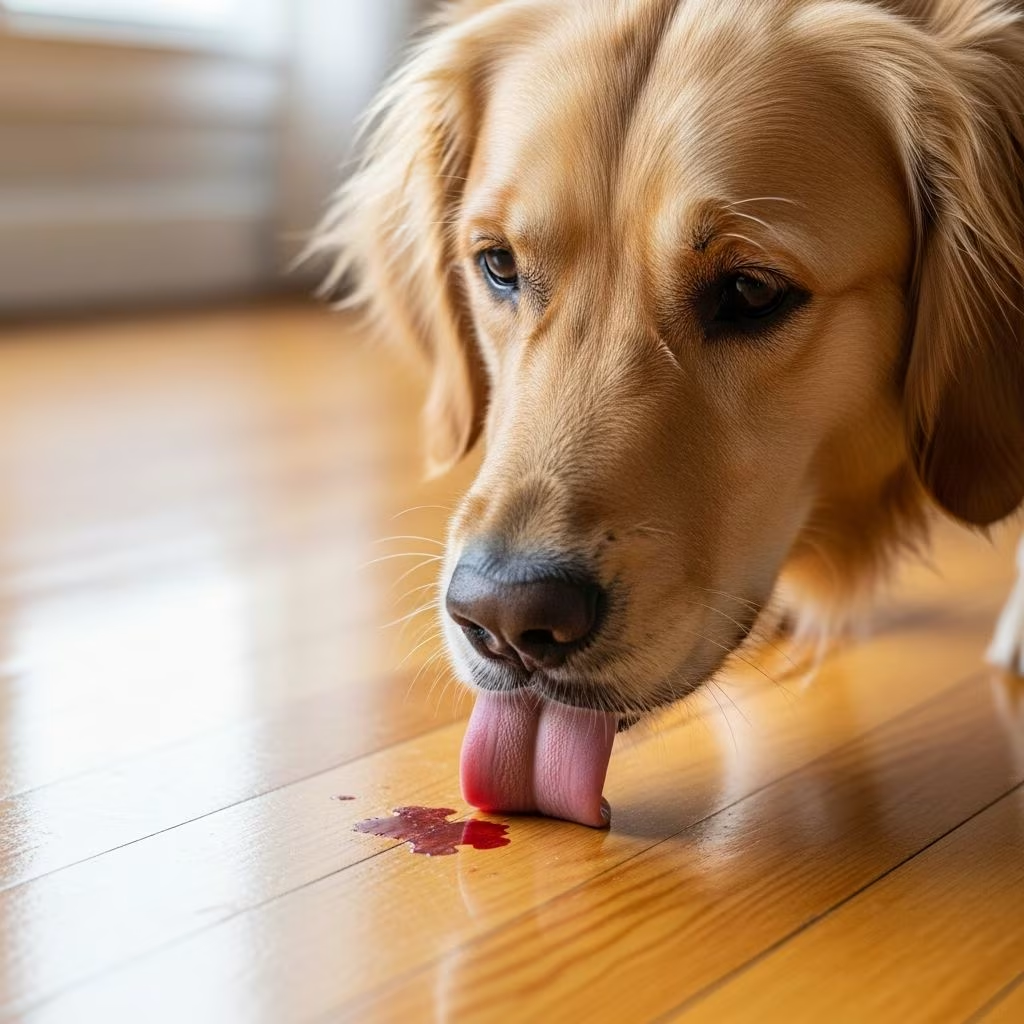
Dogs often lick blood from wounds as an instinctive response driven by their senses, evolutionary behaviors, and physiological needs. This action stems from a combination of exploration, self-soothing, and attempts at natural cleaning, but it carries significant health risks if unchecked.
The Natural Drive Behind Blood Licking
Canines possess an extraordinary sense of smell that detects blood from afar, prompting them to investigate through licking. This behavior mirrors how wild ancestors groomed injuries to remove debris and pathogens. In domestic dogs, it serves similar purposes: tasting and assessing the injury while releasing comforting endorphins.
Licking activates the release of feel-good chemicals, providing temporary relief from discomfort. For instance, when a dog sustains a minor cut, the tongue’s touch stimulates oxytocin and endorphins, modulating pain signals. This cycle can become compulsive, especially in bored or stressed pets.
Reasons Dogs Target Their Own Blood
When dogs bleed from paws, legs, or other accessible spots, they immediately turn to licking. This is partly exploratory—using their mouth like humans use hands to probe sores—and partly medicinal in intent.
- Exploration Instinct: Tongues gather sensory data on taste and texture, akin to tactile investigation.
- Pain Alleviation: Contact stimulates nerve pathways that dampen pain via neurotransmitter release.
- Cleaning Attempt: Saliva contains histatins with antimicrobial properties, histatin proteins that combat bacteria and promote skin cell migration for faster closure.
However, excessive licking introduces moisture and bacteria, fostering infections and delaying recovery. Studies show saliva’s nitrite converts to nitric oxide on skin, offering some protection, yet over-licking reopens wounds.
When Dogs Lick Human Blood
Dogs may approach human cuts or scrapes with curiosity, drawn by the metallic scent. This stems from pack grooming instincts where licking wounds bonds members and aids hygiene.
While saliva provides minor benefits like nerve growth factor to accelerate healing, human skin differs from canine, increasing infection transmission risks such as from Pasteurella bacteria in dog mouths. Always discourage this to prevent cross-contamination.
From Licking to Serious Skin Conditions
Persistent licking of bloody or irritated areas often escalates to lick granuloma, a thickened, hairless lesion from self-trauma. This chronic issue affects limbs, particularly front legs, due to easy access while resting.
Triggers include:
- Physical: Allergies, infections, joint issues like osteoarthritis, or neuropathy.
- Psychological: Anxiety, boredom, or compulsive disorders where licking becomes rewarding via endorphins.
| Condition | Key Features | Common Locations |
|---|---|---|
| Lick Granuloma | Chronic, raised, ulcerated skin from repeated licking | Front legs, paws |
| Hotspot | Acute, moist, inflamed patch | Any body area |
Granulomas differ from hotspots: the former are self-perpetuating cycles on limbs, while hotspots are sudden flares often allergy-related.
Hidden Health Issues Prompting Blood Licking
Blood licking signals underlying problems beyond surface wounds. Itchy skin from allergies releases histamines, urging dogs to soothe via tongue. Joint pain or nerve issues in legs provoke targeting specific spots.
Systemic conditions like kidney disease cause generalized itching due to inflammation and mineral imbalances, leading to obsessive licking. Nutritional gaps—low B vitamins, iron, or zinc—irritate mouths, mimicking stress responses.
Digestive discomfort or nausea also manifests as lip or air licking, extending to bloody areas if irritated.
Preventing Complications from Licking Behavior
Immediate intervention halts escalation. Use Elizabethan collars or bandages to block access, ensuring vet-approved materials to avoid further irritation.
- Consult a vet for wound cleaning and antibiotics if infection signs appear (redness, pus, swelling).
- Address root causes: Allergy testing, pain meds for arthritis, or behavioral therapy for anxiety.
- Enrich environment with toys and exercise to combat boredom-induced licking.
For granulomas, treatments target cycles: anti-inflammatories, antibiotics for secondary infections, and sometimes psychotherapy or medications like fluoxetine for OCD.
Breed Predispositions and Risk Factors
Certain breeds face higher risks due to genetics or conformation. Long-coated or allergy-prone dogs like Labradors, Golden Retrievers, and Great Danes develop granulomas more frequently. High-energy breeds in understimulated homes turn to compulsive habits.
Age matters: Older dogs with arthritis lick painful joints; puppies explore excessively out of curiosity.
Understanding Licking as Communication
Beyond blood, licking conveys needs. Maternal grooming teaches pups, influencing lifelong patterns—high-licking mothers produce calmer offspring. Vagus nerve stimulation via licking redirects stress, focusing dogs on the action.
FAQ: Common Questions on Dogs Licking Blood
Is it safe for my dog to lick a small cut?
No, even minor wounds benefit from protection; licking prolongs healing and invites bacteria.
How do I stop my dog from licking wounds?
Apply a cone collar, bitter sprays, or distraction with interactive toys; vet-prescribed e-collars work best for severe cases.
Can licking granulomas heal on their own?
Rarely, as the cycle self-perpetuates; professional intervention breaks the habit effectively.
Does dog saliva really help wounds heal?
Limited benefits from proteins like histatins exist, but risks outweigh gains in pets.
When should I worry about licking behavior?
If persistent, causing hair loss, sores, or alongside lethargy/anxiety, seek veterinary care promptly.
Long-Term Management Strategies
Holistic approaches complement vet care. Omega-3 supplements reduce inflammation in allergy cases; puzzle feeders alleviate boredom. Training commands like “leave it” redirects impulses.
Monitor for recurrence post-treatment, as stress relapses trigger licking. Regular health checks catch joint or allergy issues early.
References
- Lick Granuloma in Dogs — PetVet Care Centers. 2024-05-15. https://www.petvetcarecenters.com/site/blog/2024/05/15/lick-granuloma-dogs
- 5 Steps To Heal Your Dog’s Lick Granuloma — Dogs Naturally Magazine. N/A. https://www.dogsnaturallymagazine.com/licking-the-lick-granuloma/
- Lick Granuloma in Dogs — VCA Animal Hospitals. N/A. https://vcahospitals.com/know-your-pet/lick-granuloma-in-dogs
- Why Do Dogs Lick Blood? Vet-Reviewed Facts & FAQ — Hepper. N/A. https://articles.hepper.com/why-do-dogs-lick-blood/
- Why Does My Dog Keep Licking? — My Pet Nutritionist. N/A. https://mypetnutritionist.com/post/why-does-my-dog-keep-licking/
- Why Does My Dog Lick My Wounds? — PetMD. N/A. https://www.petmd.com/dog/behavior/why-does-my-dog-lick-my-wounds



