

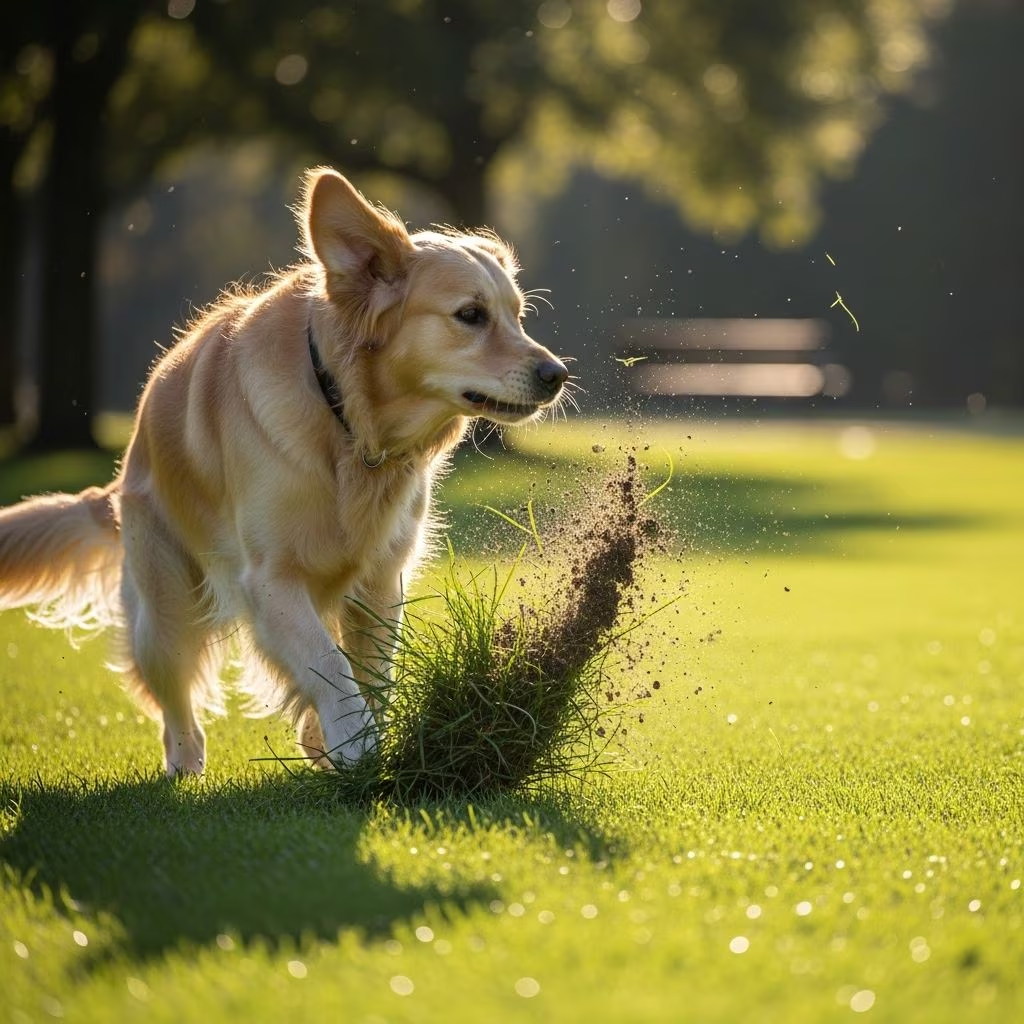
Dogs kicking grass with their hind legs after pooping is a common sight for pet owners, often sparking curiosity or even frustration. This behavior, far from random, serves essential communication purposes rooted in canine biology and evolution. Primarily, it involves releasing pheromones from interdigital glands in the paws to mark territory visually and olfactorily.
The Biological Drive: Scent Glands at Work
At the heart of this action lies a sophisticated scent-marking system. Dogs possess specialized glands located between the toes on their paws, known as interdigital glands. When a dog scratches or kicks the ground, these glands activate, secreting pheromones that mix with the environment. This creates a lasting signature scent that advertises the dog’s presence to others.
Unlike urine or feces, which dissipate quickly, paw scents linger longer on surfaces like grass, dirt, or even pavement. This mechanism allows dogs to claim areas efficiently, reinforcing boundaries without constant physical presence. Evolutionary biologists note this trait persists from wild ancestors, where resource protection was vital.
- Paw Gland Function: Releases unique pheromones identifying the dog.
- Duration: Scents last hours to days, depending on weather.
- Trigger: Often post-elimination to amplify fecal/urine signals.
Territorial Signaling in Modern Contexts
In contemporary settings, grass kicking extends beyond wild survival needs. Pet dogs use it to delineate ‘their’ yard, park spots, or walking routes. Encounters with other dogs heighten this response, turning it into a clear message: ‘This space is under my watch.’ Higher-ranking dogs in free-ranging packs exhibit it more frequently during rival meetings.
Urban dogs adapt by scratching sidewalks or carpets, adapting the instinct to human environments. This visual display—flying grass clumps or dirt scratches—pairs with scent for dual impact, deterring intruders effectively.
| Context | Behavior Trigger | Purpose |
|---|---|---|
| Post-Pooping | Elimination site | Enhance scent claim |
| Near Other Dogs | Rival presence | Intimidation/display |
| New Areas | Unfamiliar territory | Establish presence |
| Indoor Surfaces | Visitor pets | Home turf defense |
Evolutionary Roots and Instinctual Persistence
This habit traces back millennia to wolves and wild canids, who scratched ground to protect food sources and dens. Domestic dogs retain this genetically, independent of training. Marc Bekoff, Ph.D., an expert in animal behavior, describes it as a multi-sensory signal combining sight (scratches), smell (pheromones), and sound (pawing noises), fulfilling an innate enjoyment for the dog.
Not all dogs perform equally; confident, territorial breeds like terriers or hounds show it more. Shyer pups might skip it, preferring subtler cues. Environmental factors, such as novel parks, amplify displays as dogs assert themselves.
When Grass Kicking Turns Problematic
While natural, excessive kicking can harm. Paw pads may crack on rough surfaces like concrete, leading to infections. Property damage—torn lawns, scratched floors—frustrates owners. Increased frequency might indicate anxiety from changes like new pets or routines.
Monitor for:
- Bleeding or raw paws.
- Aggressive intensity toward owners.
- Sudden uptick in familiar spots.
If observed, consult vets to rule out allergies or compulsions.
Strategies for Managing the Behavior
Redirect rather than suppress instincts. Train with ‘leave it’ cues post-pooping, rewarding calm. Provide outlets like dig pits or scent games to channel energy. Paw balms protect pads during walks.
- Observe patterns: Note triggers for prevention.
- Use positive reinforcement: Treats for non-kicking.
- Enrich environment: Puzzle toys reduce stress.
- Professional help: Trainers for persistent cases.
Breed and Individual Variations
Predispositions vary. Hunting breeds kick more due to scent heritage, while lap dogs less so. Neutering may mildly reduce but not eliminate it, as it’s primarily communicative.
Age factors: Puppies experiment playfully; seniors might lessen due to mobility. Females often match males post-estrus for ownership signals.
Health Insights from Paw Scratching
Beyond behavior, monitor paws during kicks. Sweaty, odorous pads signal gland issues; blockages cause infections treatable by vets. Regular checks prevent escalation.
FAQs on Dogs Kicking Grass
Is grass kicking after pooping always territorial?
No, it can also enhance scent spread or be a pleasurable ritual, varying by context.
Why do some dogs never kick grass?
Personality, breed, or low territorial drive; it’s normal variation.
Can I stop my dog from kicking indoors?
Yes, through training and redirection; avoid punishment to prevent anxiety.
Does kicking mean my dog is dominant?
It signals confidence, not necessarily dominance; context matters.
Is it safe on all surfaces?
No, rough ones injure paws; use booties or balms as needed.
Enhancing Canine Communication Understanding
Appreciating grass kicking deepens owner-dog bonds. It reveals your pet’s worldview—scent-saturated, territory-focused. Embrace it outdoors, manage indoors, and your dog thrives expressing naturally.
Expand walks to scent-rich areas safely. Interactive play mimics wild marking, boosting welfare. Informed owners foster balanced pets.
References
- Why Do Dogs Kick Grass? — Whole Dog Journal. 2019. https://www.whole-dog-journal.com/behavior/why-do-dogs-kick-grass/
- Why Do Dogs Kick Grass — WagWalking. N/A. https://wagwalking.com/behavior/why-do-dogs-kick-grass
- Why Does My Dog Kick the Grass After Pooping? — American Kennel Club (AKC). N/A. https://www.akc.org/expert-advice/advice/dog-kicks-poop-behavior/
- Why Dogs Kick Grass After Pooping — MyWoof. N/A. https://mywoof.com/blogs/articles/why-dogs-kick-grass-after-pooping-its-not-just-to-cover-it-up-what-your-dog-is-really-saying
- Why Do Dogs Kick After Pooping? — PetMD. N/A. https://www.petmd.com/dog/behavior/dog-behavior-why-do-dogs-kick-their-feet-after-pooping
- Why Do Dogs Kick the Ground After They Poop? — Chewy. N/A. https://www.chewy.com/education/dog/training-and-behavior/why-do-dogs-kick-the-ground-after-they-poop



