

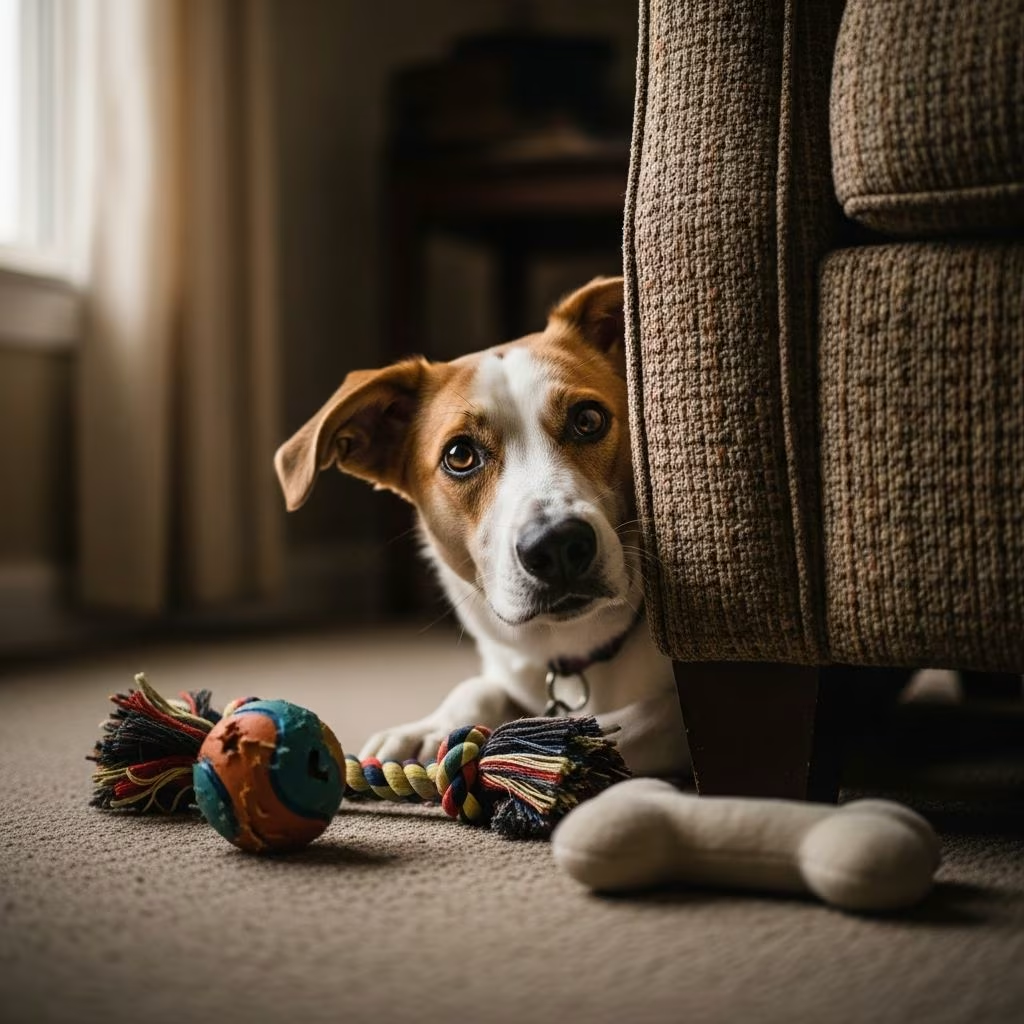
Dogs frequently engage in the curious habit of burying or hiding their toys, a behavior rooted in their evolutionary past and modern emotional needs. This action, observed across breeds and ages, serves multiple purposes from survival mimicry to emotional comfort.
The Evolutionary Roots of Toy Burying
Domestic dogs descend from wild canines like wolves, who buried surplus food to safeguard it against scavengers and ensure future meals. This instinct persists in pets, where toys replace food as valued items worth preserving. Modern dogs may “bury” plush toys under blankets or cushions, mimicking digging in soil.
Research on canine ancestry shows that such caching behaviors enhanced survival in resource-scarce environments. Even without hunger pressures, dogs retain this trait, treating favorite toys as treasures to stash away for later enjoyment.
Key Motivations Behind the Behavior
Several factors drive dogs to hide toys, often overlapping in daily life. Understanding these helps owners interpret their pet’s actions accurately.
- Resource Protection: Dogs view high-value toys as possessions to guard from perceived threats, such as other pets or family members. Hiding prevents theft and asserts ownership.
- Emotional Comfort: Toys act as security objects, similar to a child’s blanket. Burying them creates a sense of control during uncertainty.
- Play and Exploration: Puppies and energetic adults bury items as part of interactive games, testing toy placement and rediscovery for mental stimulation.
- Anxiety Management: In stressful situations like owner absences, hiding toys soothes nerves by establishing a safe, familiar ritual.
- Excess Energy Outlet: Bored dogs channel pent-up energy into digging or hiding, turning idle time into self-directed activity.
When Hiding Becomes a Concern
Occasional toy burial is harmless and even endearing. However, excessive or intense hiding warrants attention, potentially signaling underlying issues.
| Normal Behavior | Potential Problem |
|---|---|
| Infrequent, playful hiding during games | Frequent hiding with growling or avoidance |
| Rediscovers toys happily | Guards burial spots aggressively |
| Occurs in relaxed settings | Coincides with owner departures or changes |
Resource guarding can escalate to aggression if a dog feels threatened near hidden items. Separation anxiety may manifest as frantic burying before alone time, leading to destructive outlets if unaddressed.
Environmental Influences on Toy Hiding
A dog’s surroundings shape this behavior significantly. Multi-pet homes amplify resource guarding, prompting competitive hiding. Noisy or chaotic environments heighten anxiety, making toys a coping anchor. Conversely, enriched spaces with ample toys reduce hoarding urges by satisfying needs upfront.
Breeds vary too: terriers and hounds, bred for digging, exhibit stronger tendencies, while lap dogs may hide in soft spots like laundry for comfort.
Strategies to Manage and Redirect Hiding
Owners can influence this habit positively without suppression, fostering trust and balance.
- Increase Enrichment: Rotate toys to maintain novelty, preventing over-attachment. Puzzle feeders and treat-dispensing balls channel instincts constructively.
- Boost Exercise: Daily walks, fetch, or agility sessions burn energy, curbing boredom-driven burials.
- Positive Reinforcement Training: Reward bringing toys to you instead of hiding. Use commands like “drop it” to build sharing confidence, reducing guarding.
- Create Safe Zones: Designate a crate or bed as a “treasure spot” where hiding is encouraged, minimizing household messes.
- Monitor for Anxiety: If linked to stress, consult a vet for calming aids or behaviorists for desensitization plans.
Interactive play transforms burying into shared fun—hide toys yourself for a treasure hunt game, engaging your dog’s nose and mind.
Breed-Specific Insights
Certain breeds lean toward hiding due to heritage:
- Terriers (e.g., Jack Russell): Earth-doggers who dug for prey; they bury enthusiastically.
- Hounds (e.g., Beagle): Scent-driven, they stash items in scent-marked spots.
- Retrievers (e.g., Labrador): Mouth-oriented, hiding mimics carrying prey.
- Small Companions (e.g., Chihuahua): Seek security in tiny, cozy hides.
Age matters too: puppies experiment playfully, adults guard possessively, seniors comfort-seek amid decline.
Health Checks and Professional Help
Rarely, persistent hiding ties to medical issues like cognitive dysfunction in older dogs or nutritional deficiencies prompting food-like hoarding. A vet exam rules out pain or illness mimicking behavioral quirks.
For severe cases—aggression, extreme anxiety—certified trainers or veterinary behaviorists offer tailored interventions, often blending medication and therapy.
Fun Ways to Embrace the Habit
Not all burying needs fixing; lean into it for bonding. Bury treats in a sandbox for digging sessions, or use sniff mats simulating natural hunts. These activities honor instincts while preventing indoor chaos.
Frequently Asked Questions
Is it bad if my dog buries toys in the yard?
No, if supervised to avoid toxic plants or escape risks. It provides safe outlet; just retrieve toys periodically to prevent rot.
Why does my dog only bury certain toys?
Favorites evoke stronger value, triggering protection instincts over less exciting items.
Can training stop toy burying completely?
Not advisable or necessary—instead, redirect to acceptable spots. Full suppression frustrates natural drives.
Does burying mean my dog is unhappy?
Often not; context clues like tail wagging indicate play versus stress-pacing suggesting anxiety.
How much exercise prevents boredom burying?
Aim for 30-60 minutes daily, adjusted for breed and age, plus mental games for balance.
References
- Why Do Dogs Bury or Hide Their Toys? — Up Dog Shop. 2023. https://updogshop.com/blogs/news/why-dogs-bury-toys
- Dog Science Series: Why Do Dogs Bury Their Toys and Treats? — Animals Matter. 2023. https://animalsmatter.com/blogs/news/dog-science-series-why-do-dogs-bury-their-toys-and-treats
- Why Dogs Bury Toys or Food Instincts You Never Knew — YouTube (Pet Insight Video). 2023. https://www.youtube.com/watch?v=Il8fOHDYm6o
- Why Does My Dog Bury or Hide His Toys? — Petmate Academy. 2023. https://www.petmate.com/blogs/petmate-academy/why-does-my-dog-bury-or-hide-his-toys
- Why Do Dogs Bury Things? Understanding This Behavior — Furball Story. 2023. https://furballstory.com/blogs/dog-parenting/burying-a-common-dog-behaviour
- Owner’s Guide to The Psychology Of Dogs and Their Dog Toys — Holiday Barn. 2023. https://holidaybarn.com/blog/psychology-of-dogs-and-toys/
- Why Do Dogs Bury Bones? — PetMD. 2024-01-15. https://www.petmd.com/dog/behavior/why-do-dogs-bury-bones



