

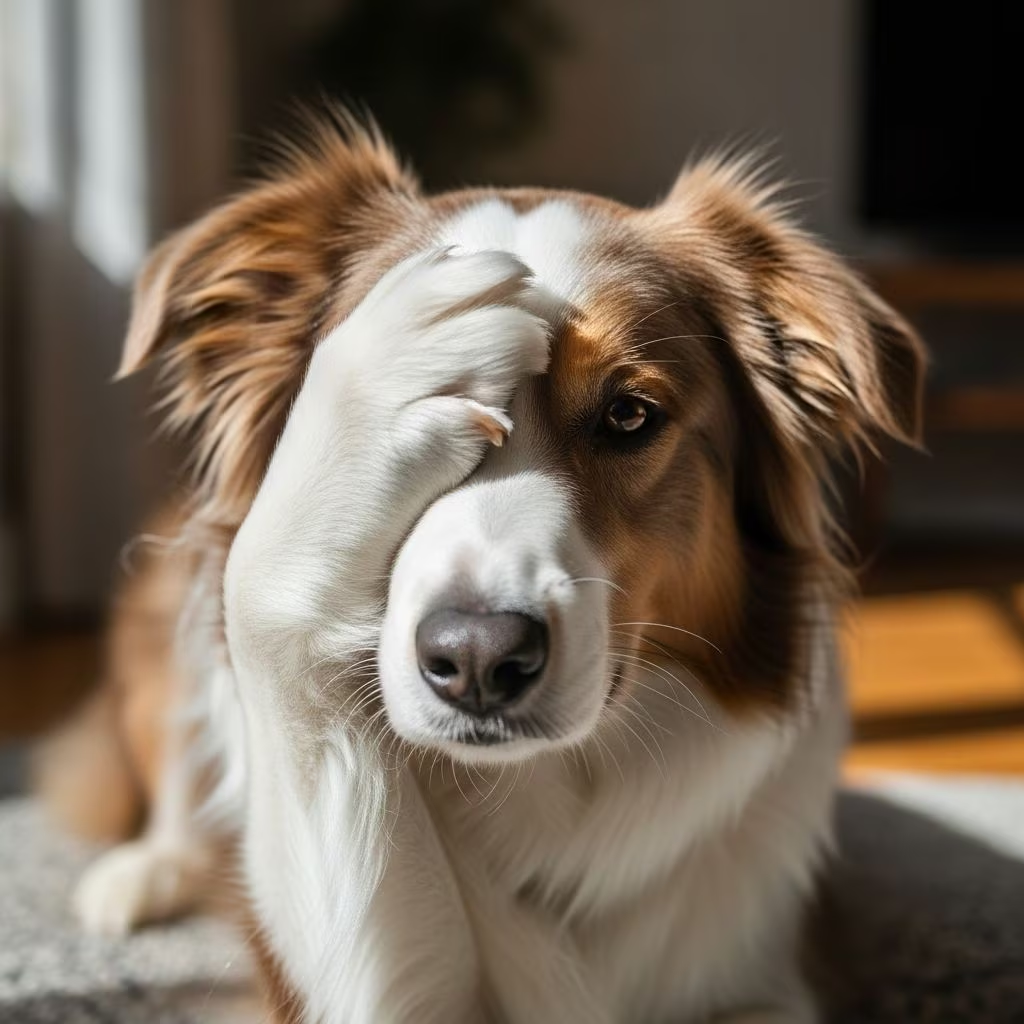
Dogs communicate volumes through subtle gestures, and one of the most endearing is when they place their paws over their faces or noses. This behavior, often captured in viral videos, serves multiple purposes rooted in instinct, emotion, and physical needs. Understanding it helps strengthen the bond with your pet and spot potential health issues early.
Physical Discomfort: The Most Common Trigger
Many instances of face-covering stem from simple physical irritation. Dogs use their paws much like humans use hands to address bothersome sensations around their muzzle, eyes, or ears.
- Itching from parasites: Fleas, mites, or ticks often target sensitive facial areas, prompting vigorous pawing to relieve the itch. Persistent scratching can lead to skin breaks and infections if untreated.
- Allergies: Environmental allergens like pollen or food sensitivities cause dry, itchy skin on the face. Dogs paw at their muzzles seeking relief, but this can worsen inflammation.
- Eye issues: Dry eyes, infections, or foreign objects like dust prompt pawing to wipe away discharge or soothe irritation. Corneal ulcers, though rare, demand immediate vet attention.
Observe for redness, swelling, or unusual discharge. A quick face check during these episodes can reveal culprits. Regular flea preventatives and hypoallergenic diets often resolve recurring cases.
Emotional Signals: Fear, Stress, and Beyond
Beyond physical causes, emotional states drive this pawing action. Dogs, descendants of wild pack animals, retain behaviors that signal vulnerability.
| Emotion | Body Language Cues | Common Triggers |
|---|---|---|
| Fear/Anxiety | Paws over eyes, ears back, tail tucked | Strangers, loud noises, separation |
| Sadness/Embarrassment | Whining, avoiding eye contact | Scolding, household laughter after mishaps |
| Overwhelm | Yawning, lip licking alongside pawing | New environments, overstimulation |
When stressed, dogs paw their faces as a self-soothing mechanism, akin to a child hiding during a storm. This doesn’t fully conceal them but conveys distress to pack members. Chronic anxiety might indicate separation issues or generalized disorders, warranting behavioral training or vet-prescribed aids.
Pack Dynamics: Submission and Trust
In canine social structures, covering the face signals deference. By shielding eyes and nose—key sensory tools—dogs show they pose no threat, fostering harmony in the pack.
- Your dog views you as the leader; pawing the face acknowledges your authority and seeks approval.
- Often paired with belly exposure or averted gaze, it reinforces trust and safety in your presence.
This submissive posture prevents conflicts, especially with dominant dogs or humans. Positive reinforcement during these moments builds confidence without encouraging over-submissiveness.
Learned Behaviors for Attention and Comfort
Dogs are keen observers of human reactions. If pawing elicits coos, pets, or treats, they’ll repeat it for the reward.
During sleep, paws over the face protect vital areas like eyes and throat, a remnant of wild survival instincts. Bad weather or unfamiliar settings amplify this shielding. Boredom can also prompt playful pawing, turning it into a self-entertaining game.
When to Worry: Health Red Flags
Occasional face-covering is normal, but frequency or intensity signals problems. Track patterns:
- Daily pawing with hair loss or sores: Possible allergies or mange.
- Pawing plus head shaking: Ear infections or neurological issues.
- Sudden onset with lethargy: Pain from dental problems or injury.
Veterinary exams, including skin scrapes or allergy tests, pinpoint causes. Early intervention prevents escalation.
How to Respond and Train Away Unwanted Pawing
Address the root while redirecting habits.
- Inspect and treat: Clean the face gently; apply vet-approved ointments for itches.
- Calm the environment: Use pheromone diffusers for anxiety; desensitize to triggers gradually.
- Positive alternatives: Reward sitting or toy play instead of face-pawing.
- Enrichment: Puzzle toys combat boredom-induced actions.
Consistency turns quirky habits into healthy communication.
Fun Facts About Canine Face Gestures
- Dogs have over 300 facial muscles for nuanced expressions, far more than wolves.
- Pawing mimics human emotive gestures, explaining its viral appeal.
- Breeds with pushed-in faces (e.g., Pugs) paw more due to chronic irritations.
Frequently Asked Questions (FAQs)
Is it bad if my dog always covers its face?
Not inherently, but if excessive or paired with other symptoms like whining, consult a vet to rule out medical issues.
Does face-pawing mean my dog is happy?
It can indicate comfort or submission in safe settings, but tail wags and relaxed posture confirm joy.
How can I stop my dog from scratching its face raw?
Identify allergens or parasites via vet tests; use cone collars temporarily and medicated shampoos.
Why do puppies do this more than adults?
Puppies explore with paws and seek reassurance amid learning pack roles.
Can diet affect face-pawing behaviors?
Yes, food allergies trigger itches; switching to novel proteins often helps.
Expert Tips for Healthier Dog Expressions
Promote facial health with weekly wipes, omega-3 supplements for skin, and routine eye/ear checks. Behavioral classes enhance communication, reducing stress signals like face-hiding.
This behavior bridges your dog’s inner world to yours. By decoding it, you respond with empathy, ensuring a joyful, itch-free life together.
References
- Why Does My Dog Cover Their Face? — Hill’s Pet Nutrition. 2023. https://www.hillspet.com/dog-care/behavior-appearance/why-dogs-cover-their-face
- Why do dogs rub their faces with their paws? — Animalia.pet. 2024. https://animalia.pet/knowledge/dogs-rub-their-faces-with-their-paws/
- Why Does My Dog Cover Its Face? — Sit Means Sit Orange County. 2023. https://sitmeanssit.com/dog-training-mu/orange-county-dog-training/why-does-my-dog-cover-its-face/
- Why Do Dogs Cover Their Faces with Their Paws: 6 Common Reasons — Hepper. 2024. https://articles.hepper.com/why-do-dogs-cover-their-faces-with-their-paws/
- Why Do Dogs Push Their Face Against Yours — Wagwalking. 2023. https://wagwalking.com/behavior/why-do-dogs-push-their-face-against-yours



