
Why Dogs Have Wet Noses
Discover the science behind your dog's wet nose, from scent detection to health signals, and when to worry about changes.
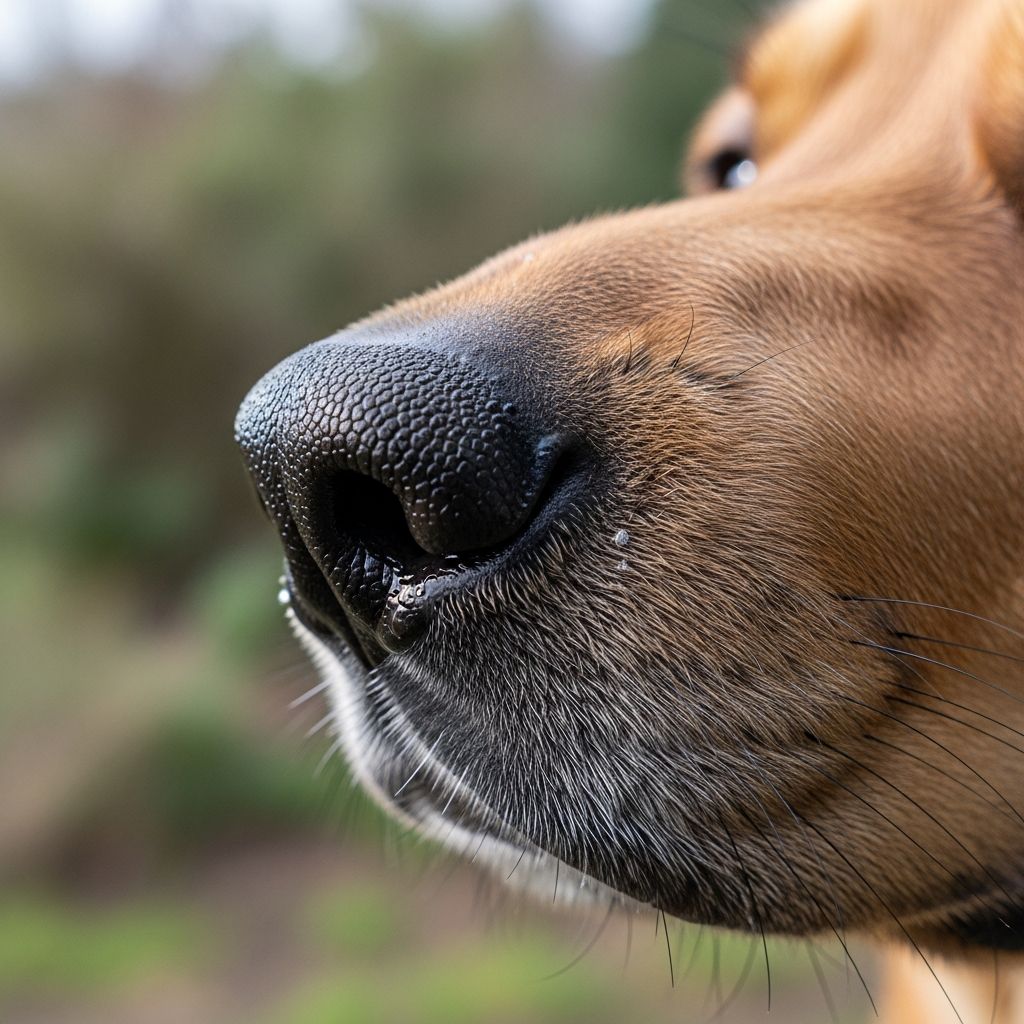
Dogs’ noses are typically cool and moist, a trait many owners associate with good health. This wetness serves essential functions like enhancing smell and regulating temperature. However, variations occur, and understanding them helps owners monitor their pets effectively.
The Biology of a Moist Canine Nose
Canine noses feature specialized glands that secrete a thin, clear mucus layer. This moisture keeps nasal passages lubricated, aiding in scent capture and particle adhesion for superior olfactory detection. Dogs possess up to 300 million scent receptors, far surpassing humans’ 6 million, and the wet surface amplifies this ability by trapping airborne molecules.
Additionally, the moisture facilitates interaction with the vomeronasal organ, or Jacobson’s organ, located in the roof of the mouth. When dogs lick their noses, they transfer scents to this organ for pheromone analysis, crucial for social and environmental cues.
Key Reasons for Nose Wetness
- Natural Mucus Secretion: Glands produce watery fluid to maintain hydration and support smell. Clear discharge is normal; colored or foul-smelling indicates issues.
- Frequent Licking: Dogs lick noses often during exploration, eating, or grooming, adding saliva that keeps the surface damp and cleans it.
- Thermoregulation: Unlike humans, dogs cool via evaporation from noses, paws, and tongues. Wetness promotes heat loss, especially in warm conditions.
- Environmental Exposure: Contact with grass, water, or humidity naturally wets the nose during outdoor activities.
When a Wet Nose Is Advantageous
A damp nose optimizes scent detection, estimated 1,000 to 10,000 times more sensitive than humans. Moisture ensures particles dissolve and reach receptors efficiently. It also prevents nasal drying, maintaining tissue health.
| Function | Benefit | Source Support |
|---|---|---|
| Scent Capture | Particles stick to moist surface | |
| Cooling | Evaporation regulates temperature | |
| Cleaning | Licking removes debris | |
| Social Cues | Pheromone detection via licking |
Understanding Dry Noses in Dogs
Dry noses aren’t always problematic. Sleeping dogs often have warmer, drier noses due to reduced activity and licking. Upon waking, moisture returns quickly. Other benign causes include:
- Sun exposure or wind drying the surface.
- Recent naps or low activity levels.
- Mild dehydration from exercise without water breaks.
However, persistent dryness with cracking, bleeding, or scabs warrants attention, potentially signaling autoimmune issues, allergies, or fever.
Excessive Moisture: Runny Nose Concerns
While baseline wetness is healthy, a constantly dripping nose may indicate problems. Clear, occasional drips from excitement or environment are fine, but thick, colored discharge suggests infection or irritation.
Common Causes of Runny Noses
- Allergies: Pollen, dust, or food triggers inflammation and excess mucus. Accompanied by itchy paws, red eyes, or sneezing.
- Infections: Bacterial, viral, or fungal issues cause pus-like discharge, odor, coughing, or nosebleeds.
- Foreign Objects: Grass seeds or dust lodged in nostrils lead to unilateral dripping and pawing.
- Dental Problems: Tooth root abscesses affect sinuses, causing chronic discharge.
Health Red Flags Beyond Nose Texture
Evaluate the nose alongside other symptoms for a full picture. Concerning signs include:
- Lethargy, appetite loss, or behavioral changes.
- Vomiting, diarrhea, coughing, or lameness.
- Swollen, discolored, or bleeding nasal tissue.
- Excessive thirst, pale gums, or skin tenting indicating dehydration.
Use the scruff test: Pinch neck skin; it should snap back instantly if hydrated.
Home Monitoring and Care Tips
Observe your dog’s nose daily:
- Check Texture: Cool and moist is ideal when active.
- Note Discharge: Clear and minimal is normal.
- Track Patterns: Dry after sleep? Fine. Persistent changes? Note duration.
- Ensure Hydration: Fresh water always available, especially post-exercise.
- Protect from Sun: Use pet-safe sunscreen on light-nosed breeds.
Avoid home remedies like petroleum jelly without vet approval, as they may irritate.
When to Consult a Veterinarian
Seek professional care if:
- Dry nose persists >24 hours with other symptoms.
- Runny nose is yellow/green, bloody, or foul-smelling.
- Swelling, cracking, or pigmentation changes appear.
- Behavioral shifts like hiding or reduced play occur.
Vets may diagnose via exam, imaging, or cultures, treating with antibiotics, antifungals, or allergy management.
Breeds Prone to Nasal Issues
| Breed Type | Common Issue | Reason |
|---|---|---|
| Brachycephalic (e.g., Bulldogs) | Dryness/Infections | Short airways limit moisture |
| Light-Pigmented (e.g., White Labs) | Sunburn/Dryness | Sensitive skin |
| Allergy-Prone (e.g., Retrievers) | Runny Nose | Genetic sensitivities |
FAQs on Dog Nose Health
Is a dry dog nose always bad?
No, it’s often normal after sleep or in dry environments. Monitor with other symptoms.
Why is my dog’s nose suddenly runny?
Likely allergies, infection, or irritants. Vet evaluation recommended if persistent.
Can I make my dog’s dry nose wetter at home?
Encourage water intake and licking, but consult vet for balms or treatments.
Does nose wetness indicate fever?
Not reliably; temperature check via thermometer is accurate. Dryness may accompany illness indirectly.
How does a wet nose help dogs hunt or track?
Moisture traps scents, boosting detection for working dogs.
Preventive Strategies for Optimal Nose Health
Maintain wellness through balanced diet, regular check-ups, and allergen reduction. Use air purifiers for indoor irritants and rinse paws post-outings. Annual vet exams catch issues early.
Understanding nasal moisture empowers owners to distinguish normal variations from concerns, ensuring dogs thrive with keen senses intact.
References
- Why Are Dogs’ Noses Wet? 4 Common Reasons — Nylabone. 2023. https://www.nylabone.com/dog101/why-are-dogs-noses-wet-4-common-reasons
- Why Is My Dog’s Nose Wet? 6 Common Reasons and What It Means — Pets Best. 2023. https://www.petsbest.com/blog/why-is-my-dogs-nose-wet
- What Does a Cold, Wet Dog Nose Mean? — Bond Vet. 2023. https://bondvet.com/blog/what-does-a-cold-wet-dog-nose-mean
- Why Are Dog Noses Wet? — PetMD. 2023. https://www.petmd.com/dog/general-health/why-do-dogs-have-wet-noses
- Dog Runny Nose (Nasal Discharge): Causes and Treatments — WebMD. 2023. https://www.webmd.com/pets/dogs/my-dog-has-discharge-from-nose
- Why Is My Dog’s Nose Dripping? — Lane Veterinary. 2023. https://lanevet.com/blog/why-is-my-dogs-nose-dripping/
Similar Articles








Read full bio of Sneha Tete




