

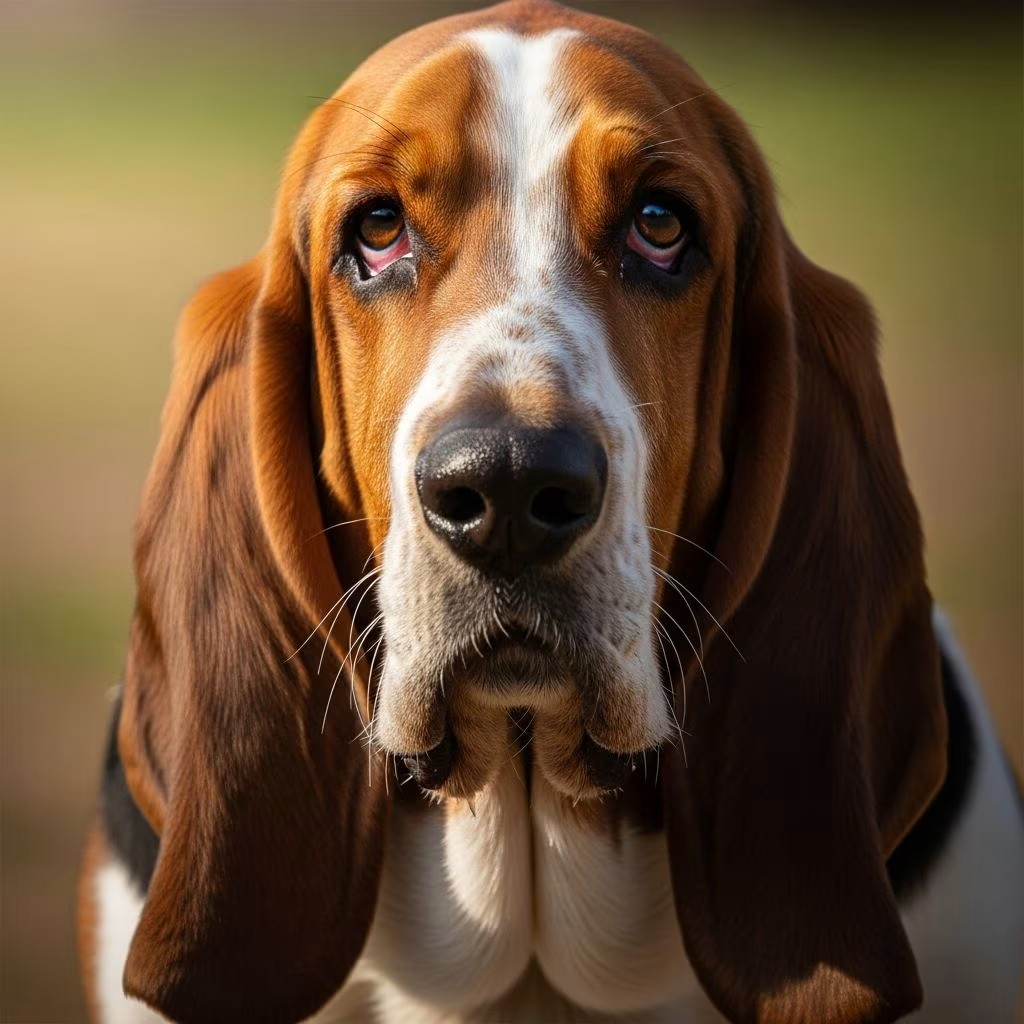
Droopy jowls are a distinctive feature in many dogs, particularly those with loose facial skin. While often a normal breed trait, excessive droopiness can signal health issues ranging from infections to neurological problems. Understanding the causes helps owners provide proper care and recognize when veterinary intervention is needed.
What Are Dog Jowls?
Dog jowls refer to the loose, pendulous skin folds hanging from the lower jaw and lips. These structures vary widely by breed, serving both aesthetic and functional roles in a dog’s anatomy. In breeds like Bloodhounds, Mastiffs, and Basset Hounds, jowls are pronounced, contributing to their expressive, soulful appearance.
Jowls protect the teeth and gums, aid in scent tracking by trapping odors, and facilitate a strong bite grip during hunting or play. However, their moist, folded nature makes them prone to accumulation of saliva, food particles, and bacteria, predisposing dogs to skin issues.
Breeds Prone to Droopy Jowls
Certain breeds are genetically predisposed to prominent jowls due to selective breeding for hunting, guarding, or appearance. These dogs often exhibit:
- Bloodhounds and Basset Hounds: Extreme skin looseness enhances their tracking ability by increasing scent particle retention.
- Mastiffs and Bullmastiffs: Massive jowls support their powerful jaws for protection roles.
- Great Danes and Newfoundlands: Loose facial skin accompanies their large size and gentle temperament.
- Shar-Peis: Wrinkled folds extend to jowls, a hallmark of the breed.
- Even some Labrador Retrievers show milder jowls.
These traits are normal and not concerning unless accompanied by sudden changes or symptoms like redness or odor.
Normal vs. Abnormal Droopy Jowls
Distinguishing normal droopiness from problems is key. Normal jowls are symmetrical, soft, and free of irritation. Abnormal signs include:
- Sudden increase in droopiness on one side.
- Swelling, redness, foul odor, or discharge.
- Excessive drooling beyond breed norms.
- Pain when touching the area, reluctance to eat, or behavioral changes.
| Normal Jowls | Abnormal Jowls |
|---|---|
| Symmetrical, breed-typical | Asymmetrical droop or sudden worsening |
| No odor or irritation | Redness, swelling, pus, or bad smell |
| Dog eats/drinks normally | Drooling excessively, pain, appetite loss |
Monitor for one-sided droop, which may indicate nerve issues or abscesses.
Common Health Issues Causing Droopy Jowls
Skin Infections (Lip Fold Pyoderma)
Droopy jowls create moist environments ideal for bacteria and yeast growth, leading to lip fold dermatitis or pyoderma. Symptoms include swollen, red, painful folds; dogs may scratch, causing bleeding.
Treatment involves cleaning folds daily with antiseptic wipes, antibiotics for infections, and sometimes medicated shampoos. Prevention: regular cleaning after meals.
Drooling and Saliva Buildup
Excessive drooling (ptyalism) occurs when saliva pools in jowl folds, common in jowly breeds. Dogs drip saliva trails post-drinking, risking skin maceration and infections.
Manage by wiping jowls frequently and using bibs for heavy droolers.
Oral Warts (Papillomavirus)
Papillomas appear as pink, bumpy growths on jowls or in the mouth, viral and common in puppies under 2 years. They may bleed if irritated but often resolve spontaneously.
Vaccination and hygiene prevent spread; severe cases need surgical removal.
Serious Conditions Mimicking or Causing Droopy Jowls
Facial Nerve Paralysis
Facial paralysis causes unilateral drooping of the ear, lip, and eyelid due to facial nerve dysfunction. Dogs spill food/water from one side, drool excessively, and can’t blink properly, risking eye ulcers.
Common causes: idiopathic (75% cases), ear infections, trauma, hypothyroidism. Bilateral cases show dull expressions. Treatment targets underlying cause; supportive care includes eye lubrication.
Trigeminal Neuritis (Dropped Jaw)
This inflammation of the trigeminal nerve paralyzes jaw-closing muscles, causing the mouth to hang open dramatically. Dogs drool profusely, struggle to eat/chew, and may lose facial sensation.
Idiopathic in most cases, symptoms onset suddenly but resolve in 2-4 weeks with supportive feeding (soft food, syringes). No specific treatment; prognosis excellent.
Other Causes
- Dental Issues/Abscesses: Tooth root infections cause facial swelling and jowl droop.
- Salivary Gland Problems: Sialoceles (saliva cysts) from blocked ducts lead to swelling.
- Lymph Node Enlargement: Due to infection or cancer, firm swellings under jaws.
- Aging: Muscle relaxation causes gradual droopiness; monitor for comorbidities.
When to See a Vet
Consult a vet immediately if you notice:
- Sudden droopiness or asymmetry.
- Swelling, pain, discharge, or foul breath.
- Difficulty eating/drinking, lethargy, or breathing issues.
- Eye discharge or inability to blink.
Diagnosis may involve exams, imaging, bloodwork, or biopsies. Early intervention prevents complications.
How to Care for Dogs with Droopy Jowls
Daily maintenance keeps jowls healthy:
- Clean Regularly: Wipe folds with vet-approved antiseptic after eating/drinking.
- Diet: Use kibble over wet food to minimize debris; dental chews help.
- Monitor Weight: Obesity worsens folds.
- Eye Care: Lubricate exposed eyes in paralysis cases.
- Support Feeding: For jaw issues, offer mashed food or assist.
Breeders select for moderate jowls to balance looks and health.
Frequently Asked Questions (FAQs)
Can droopy jowls be a normal part of aging?
Yes, aging relaxes facial muscles, causing droopier jowls. Rule out issues if sudden or with other symptoms.
How can I check if my dog’s droopy jowls are a concern?
Inspect for swelling, redness, discharge; monitor eating, behavior. Vet visit for changes.
Should I worry if my dog seems normal otherwise?
Not immediately, but observe closely and consult vet if unsure.
Why is one side of my dog’s face droopy?
Possible facial paralysis, abscess, or nerve issue—seek prompt vet care.
Do all jowly breeds get infections?
Not all, but risk is higher; cleaning prevents most cases.
References
- Can droopy jowls in dogs be a sign of a health problem? — Dial A Vet. 2023. https://www.dialavet.com/vet-answers/droopy-dog-jowls-health-concern-38380
- Dog Jowls: Everything You Need to Know — Great Pet Care. 2023. https://www.greatpetcare.com/dog-health/dog-jowls/
- Why Is My Dog’s Face Swollen on One Side? 10 Possible Causes — The Pet Lab Co. 2024. https://thepetlabco.com/learn/dog/health-wellness/dogs-face-swollen-on-one-side
- Trigeminal Neuritis in Dogs: Dropped Jaw Symptoms, Treatment — ToeGrips. 2023. https://toegrips.com/trigeminal-neuritis-dogs/
- Fold Dermatitis in Dogs — WagWalking. 2023. https://wagwalking.com/condition/fold-dermatitis
- Facial Paralysis in Dogs — Southeast Veterinary Neurology. 2024. https://sevneurology.com/blog/facial-paralysis-in-dogs
- Facial Paralysis in Dogs – Dog Owners — Merck Veterinary Manual. 2025. https://www.merckvetmanual.com/dog-owners/brain-spinal-cord-and-nerve-disorders-of-dogs/facial-paralysis-in-dogs



