

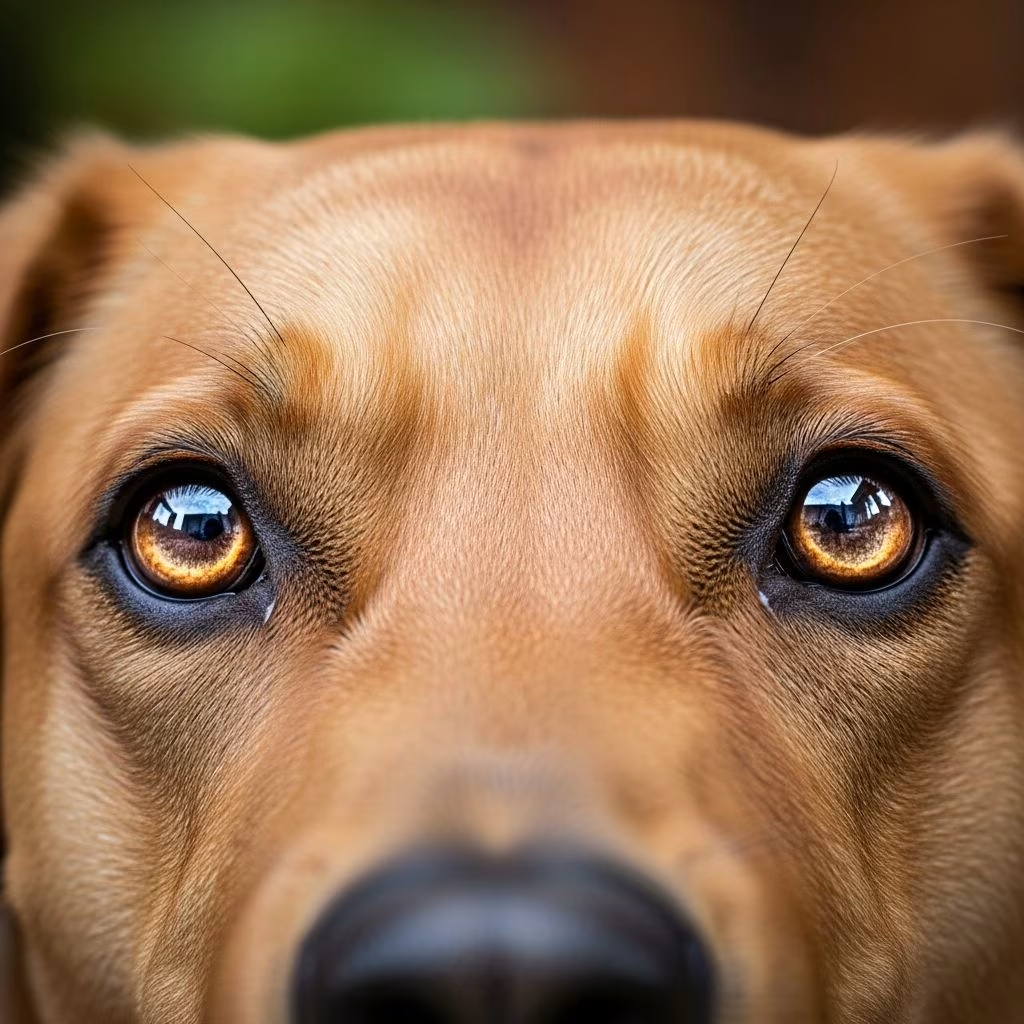
When you look into a dog’s eyes, you’re most likely seeing a rich shade of brown. Brown eyes are by far the most common eye color in dogs, but have you ever wondered why? The answer lies in genetics and a pigment called eumelanin. Understanding how canine eye color develops provides fascinating insight into how genes shape the physical traits we see in our beloved pets.
The Default Eye Color in Dogs
Brown is the default eye color for dogs, and this isn’t by chance.The shade of eumelanin a particular dog can produce correlates with his eye color. By default, eumelanin is a black pigment and a dog with black pigment will on average have darker eyes than a dog with a lighter shade of eumelanin. This pigment is the same substance responsible for coat color in dogs, and it plays a crucial role in determining eye color across the canine spectrum.
The reason brown eyes are so prevalent in dogs relates to basic genetics. Black is the default color of eumelanin so brown eyes are very common in dogs. Most dogs inherit genetic markers from their parents that result in sufficient eumelanin production, leading to the brown eyes we see so frequently.
Understanding Eumelanin and Eye Pigmentation
To understand why dogs have brown eyes, we must first understand eumelanin. Eumelanin is one of two types of melanin pigments found in mammals, and it’s the pigment responsible for brown and black coloration. In dogs, the amount and density of eumelanin in the iris directly determines eye color.
The more eumelanin there is and the denser it is packed the darker the eye will look. This creates many different nuances and a huge spectrum of dog eye colors. This explains why some dogs have very dark, almost black eyes, while others have lighter brown or amber eyes—it all depends on how much eumelanin their bodies produce and how densely it’s packed in the iris.
Dogs with black pigment and a high pigment density have very dark eyes while dogs with lighter pigment (brown, blue, lilac) and a very low pigment density will have very pale eye colors. This pigment density variation creates the beautiful range of brown eye shades you see across different dog breeds.
Genetics: The Foundation of Eye Color
Eye color in dogs is entirely determined by genetics. As with all other animals, dog eye colors are determined by genes. Inherited eye colors are entirely determined by which genetic markers a puppy got from its parents. This means that a puppy’s eye color is predetermined from conception, based on the genes inherited from both the mother and father.
The genes responsible for eye pigmentation are inherited from the parents. So kittens and puppies can have different eye colours depending on the genetic characteristics of their parents. Two brown-eyed parents may produce puppies with varying shades of brown eyes depending on the specific genetic combinations they inherit.
How Puppy Eye Color Develops
Interestingly, not all puppies are born with their permanent eye color. Many new pet owners are surprised to learn that puppy eye colors can change as they mature. It can take anywhere from 9 to 12 weeks for a puppy’s eye color to fully develop, and permanent eye color changes can still happen as late as 16 weeks. This is a normal part of early development, however, and not the result of external factors like diet or environment.
This developmental process is controlled entirely by genetics. The genetic instructions inherited from parents dictate when and how eumelanin will be deposited in the iris, causing the color changes puppies experience in their first few months of life. Once permanent eye color is established by around 16 weeks, it remains stable throughout the dog’s life.
The Role of Specific Genes in Eye Color
While brown is the default, several genes can modify eye color in different ways. The primary gene systems controlling eye color in dogs include:
- The B (Brown) Locus: This locus is linked to brown, chocolate, and liver. There are two brown alleles, B (dominant brown) and b (recessive brown). It takes two recessives (bb) to dilute black pigment to brown. Dogs with the bb genotype will have brown pigment instead of black, which can result in lighter eye colors.
- The D (Dilution) Locus: This gene can dilute black or brown pigment, affecting eye color intensity and shade.
- The M (Merle) Locus: The merle gene can cause random dilution of pigment, potentially resulting in blue eyes or unusual color patterns.
- The S (Piebald) Locus: White spotting genes can affect pigment distribution and eye color.
Amber Eyes: A Variation of Brown
Not all dog eyes are the same shade of brown. Amber eyes usually occur when the eumelanin produced by the dog is diluted or modified by the recessive genes in the B or D series. Amber eyes represent a lighter, warmer version of brown and occur when a dog inherits specific recessive genes that affect eumelanin production.
Brown eumelanin is a recessive trait associated with amber eyes which are not too uncommon. These striking golden or copper-colored eyes are especially common in certain breeds and are still considered a variation within the brown eye color family.
Blue Eyes and Other Variations
While brown eyes are the default, some dogs have striking blue eyes. Genetically, there are four ways a dog can have blue eyes. Three of these are linked with pigment loss in the coat. The most common cause is the merle gene, which dilutes random areas of pigment in both the coat and eyes.
Interestingly, blue eyes can be inherited as a completely separate gene, unaffected by coat colour. This gene is, however, rare. It occurs occasionally in the Border Collie and similar breeds, but mainly it’s seen in the Siberian Husky. Scientific research has shed new light on this phenomenon. Embark scientists discovered why dogs have blue eyes. In short, we discovered a genetic variant, specifically a duplication of DNA sequence near ALX4 (a gene on dog chromosome 18 involved in craniofacial, skin, and hair follicle development) that explains why some dogs have blue eyes.
Breed-Specific Eye Color Patterns
Certain breeds of dogs and cats are also more likely to have certain eye colours because of their genetic make-up. For example, the Siberian Husky, Australian Shepherd and Border Collie are known for their bright blue eyes. Selective breeding has strengthened the genetic traits associated with these eye colors in specific breeds.
However, even within breeds known for blue eyes, brown eyes remain common. Individual variation in inherited genes means that not every Husky or Australian Shepherd will have blue eyes, and that diversity is part of what makes each dog unique.
The Connection Between Coat Color and Eye Color
We don’t know too much about dog eye color genetics yet. But we know that eye color is mostly associated with eumelanin pigment color and so often correlates with a dog’s coat color. This correlation exists because the same genes controlling coat pigmentation also influence eye color.
However, this correlation isn’t absolute. Some genes affect coat color without significantly impacting eye color, and vice versa. This explains why you can see dogs with similar coat colors but different eye colors, or dogs with very different coats but similar eye colors.
Rare Eye Colors in Dogs
Beyond brown and blue, dogs can have other eye colors, though they’re uncommon. Dogs with both liver pigment and color dilution have diluted brown eumelanin (lilac). This combination of two recessive traits creates some of the palest natural dog eye colors often described as green-blue, sky blue or green-yellow. These rare colors result from specific combinations of recessive genes and are more likely in dogs from color-specific breeding lines.
Heterochromia: Two Different Eye Colors
Some dogs have heterochromia, a condition where each eye is a different color. And heterochromia occurs mostly in dogs with a strong enough merle allele. This striking trait results from uneven pigment distribution in the two eyes and is particularly common in merle-patterned dogs.
Why Understanding Eye Color Matters
Understanding the genetics behind brown eyes and other eye colors helps us appreciate the complexity of canine genetics. It explains why mixed-breed dogs can have surprising eye color combinations and why purebred dogs of the same breed can have different eye colors. This knowledge also helps breeders make informed decisions about which dogs to breed together if they want to maintain or develop specific eye colors in their breeding lines.
Frequently Asked Questions
Q: Can a dog’s eye color change after 16 weeks?
A: No, permanent eye color is typically established by 16 weeks of age. Any changes you see after this point are likely just different lighting conditions or your perception, not actual color changes.
Q: Are brown eyes always a sign of pure genetics?
A: Yes, all dog eye colors, including brown, are determined entirely by genetics. Diet, environment, and other external factors do not change a dog’s eye color.
Q: Why do some dog breeds commonly have blue eyes?
A: Breeds like Siberian Huskies have a dominant gene that can cause blue eyes independent of coat color. Other breeds develop blue eyes through merle or piebald genes.
Q: Can two brown-eyed dogs have blue-eyed puppies?
A: It’s unlikely but possible if both parents carry recessive genes for blue eyes, though this is rare in breeds where blue eyes aren’t typical.
Q: What determines whether a dog will have dark brown or light brown eyes?
A: The amount and density of eumelanin pigment in the iris. Genes controlling eumelanin production and concentration determine eye shade.
Q: Is there any health concern related to eye color?
A: Eye color itself is not a health concern. However, certain genes linked to eye color (like the merle gene) can sometimes be associated with other health considerations when inherited in certain combinations.
References
- Embark Discovers Why Dogs Have Blue Eyes — Embark Veterinary Inc. 2018. https://embarkvet.com/resources/embark-discovers-why-dogs-have-blue-eyes/
- How Is Pet Eye Colour Determined? — MP Labo. https://www.mplabo.com/en/emag/how-is-eye-colour-determined/
- Which Eye Colors Are Most Common in Dogs? — Orivet. https://blog.orivet.com/which-eye-colors-are-most-common-in-dogs/
- Amber Eyes – Dog Coat Colour Genetics — Dog Genetics. http://www.doggenetics.co.uk/eyes.html
- Dog Eye Colors — Coats and Colors. https://coatsandcolors.com/dog-eye-colors/
- Genetics Basics: Coat Color Genetics in Dogs — VCA Animal Hospitals. https://vcahospitals.com/know-your-pet/genetics-basics-coat-color-genetics-in-dogs



