

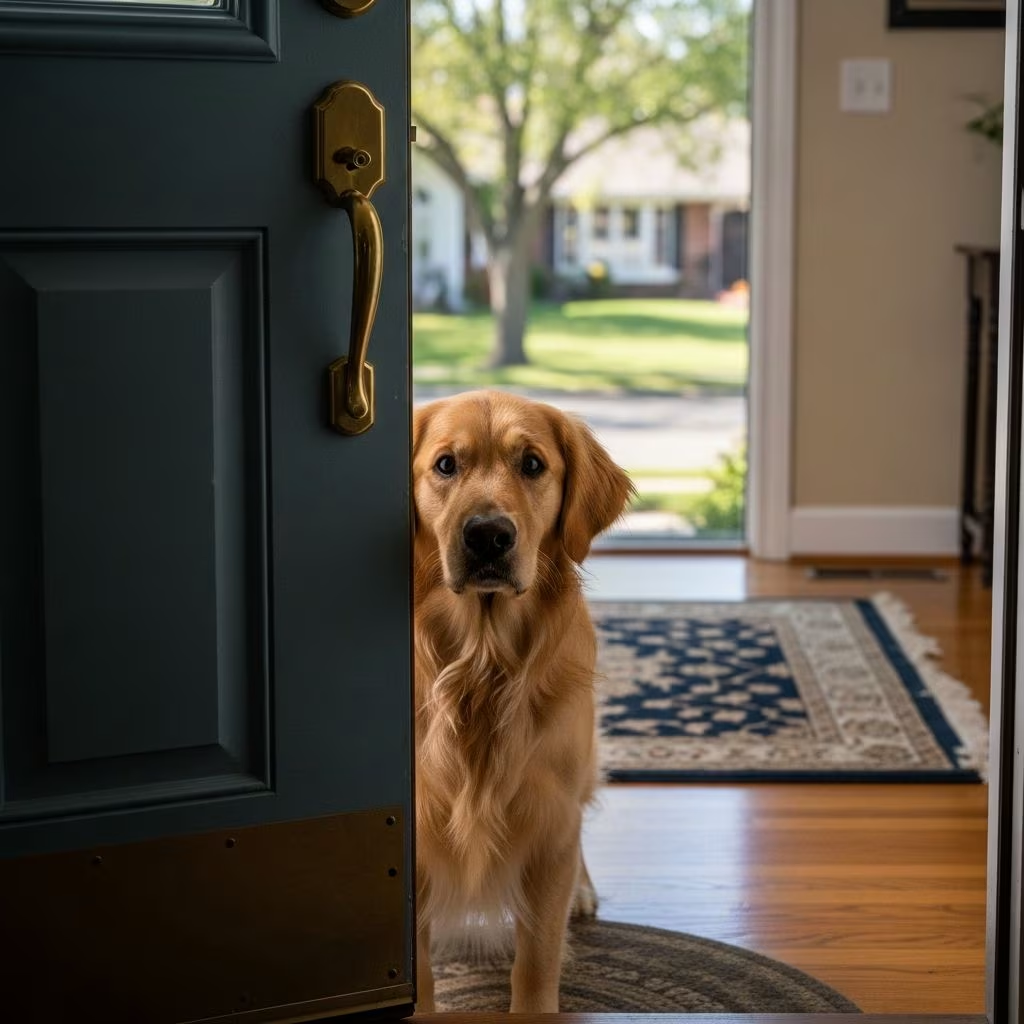
Dogs frequently position themselves near entryways, a behavior that puzzles many owners. This habit stems from a mix of natural instincts, emotional needs, and environmental cues, revealing much about your pet’s inner world.
Instinctual Drives Behind Door Vigilance
Canines have evolved as pack animals with strong protective tendencies. Positioning near doors allows them to monitor potential threats, a remnant of their wild ancestry where sentinels watched pack boundaries. Breeds like German Shepherds or Rottweilers exhibit this more prominently due to selective breeding for guarding roles.
Territorial marking plays a key role too. Unaltered dogs, particularly males, may linger to scent-mark entrances against intruders or rivals, driven by pheromones detecting other animals nearby. This assertiveness can escalate in multi-pet homes or areas with roaming strays.
Emotional Bonds and Anticipation
Many dogs sit by doors simply awaiting their owner’s return, showcasing deep attachment. If you maintain a predictable schedule, your pup learns your rhythm—keys jingling or car sounds trigger their dash to greet you enthusiastically.
- Consistent routines reinforce this excitement, turning doors into reunion hotspots.
- Pups with strong human bonds follow owners room-to-room, extending vigilance to bathroom doors or bedrooms.
Excitement for outings amplifies this. Grabbing leashes or shoes signals adventure, prompting eager door-sitting. Reward calm behavior here to prevent bolting.
Anxiety and Stress Signals
Separation anxiety affects countless dogs, manifesting as door fixation when owners depart. The last sight of you is often at that threshold, so they wait, sometimes whining or pacing. Signs include destructive chewing elsewhere or following you obsessively indoors.
| Symptom | Indication | Action Step |
|---|---|---|
| Persistent whining | Anxiety buildup | Desensitize departures gradually |
| Following everywhere | Attachment distress | Build independence with alone time |
| Pacing near door | Restlessness | Increase exercise routines |
Mild anxiety shows in overreactions to noises, while severe cases demand professional intervention.
Physical Needs and Comfort Seeking
Often overlooked, basic needs drive door-sitting. Frequent urges signal potty time, especially post-meals or water. Sudden increases warrant vet checks for urinary issues.
Temperature regulation matters too. Heat-sensitive breeds like Bulldogs pant near drafty doors for relief. Observe if they relax after cooling.
Hormonal surges in intact dogs fuel door obsession, with males chasing scents of females in heat. Spaying/neutering typically resolves this.
Boredom and Stimulation Cravings
Inactive dogs turn doors into boredom beacons, portals to excitement. Pacing or fixation indicates under-stimulation, risking destructive habits.
- Enroll in doggy daycare for socialization.
- Rotate puzzle toys and scent games indoors.
- Hire walkers for midday romps.
Favorite-person syndrome worsens this; diversify interactions across household members.
Breed-Specific Tendencies and Dominance Displays
Guarding breeds vigilantly station at entrances. Herding types like Border Collies may block paths, asserting leadership by controlling traffic flow.
Dominance shows when dogs sprawl across doorways, impeding passage—a bid for pack hierarchy. Early training counters this effectively.
Practical Solutions for Door-Loitering
Address root causes systematically. Start with health: Schedule vet visits for urinary or hormonal checks.
- Enhance Enrichment: Daily 30-minute walks plus mental games tire pups mentally.
- Train Door Manners: Practice ‘sit-stay’ before openings, rewarding compliance.
- Combat Anxiety: Use crate training and departure cues like toys activated remotely.
- Provide Views: Window perches reduce door fixation by satisfying curiosity.
For territorial pups, secure fencing prevents escapes. Consistency across family members solidifies rules.
When to Seek Professional Help
If behaviors persist despite interventions—aggression, nonstop vocalizing, or house soiling—consult certified trainers or behaviorists. Vets rule out medical triggers first.
FAQs
Is door-sitting always a problem?
No, occasional vigils are normal, especially for greetings. Worry when paired with distress signals.
How do I stop my dog from blocking doorways?
Teach ‘move’ commands with treats, practicing daily. Positive reinforcement works best.
Can separation anxiety resolve on its own?
Rarely; structured training and sometimes medication aid recovery.
Does neutering fix hormonal door obsession?
Often yes, reducing urges within weeks.
What toys help bored door-sitters?
Kong fillers, treat-dispensing balls, and snuffle mats engage naturally.
Building a Balanced Canine Routine
Preventive care fosters confident dogs. Balance exercise (60 minutes daily), training sessions, and alone time from puppyhood. Track patterns in a journal: time of day, duration, accompanying actions pinpoint triggers.
Integrate family involvement; rotate who handles walks to broaden bonds. Outdoor access via doggy doors satisfies urges safely for apartment dwellers.
Monitor changes post-adoption or life shifts like new babies—stress amplifies habits. Patience yields results; most dogs thrive with attuned care.
References
- Why Does My Dog Sit by the Door for Long Periods? — Lancaster Puppies. 2023. https://www.lancasterpuppies.com/pet-advice/why-does-my-dog-sit-by-the-door-for-long-periods.html
- Why Do Dogs Sit by the Door? 7 Vet-Verified Possible Reasons — Dogster. 2024. https://www.dogster.com/dog-training/why-do-dogs-sit-by-the-door
- Why Do Dogs Sit By The Door — WagWalking. 2023. https://wagwalking.com/behavior/why-do-dogs-sit-by-the-door
- Why Does Your Dog Sit Beside Your Door? — PetCareRx. 2022. https://www.petcarerx.com/article/why-does-your-dog-sit-beside-your-door/5431
- The Sentinels of the Hallway: Why Your Dog Won’t Stop Staring at the Front Door — Dr. CMPet Clinic. 2024. https://drcmpetclinic.com/the-sentinels-of-the-hallway-why-your-dog-wont-stop-staring-at-the-front-door/



