

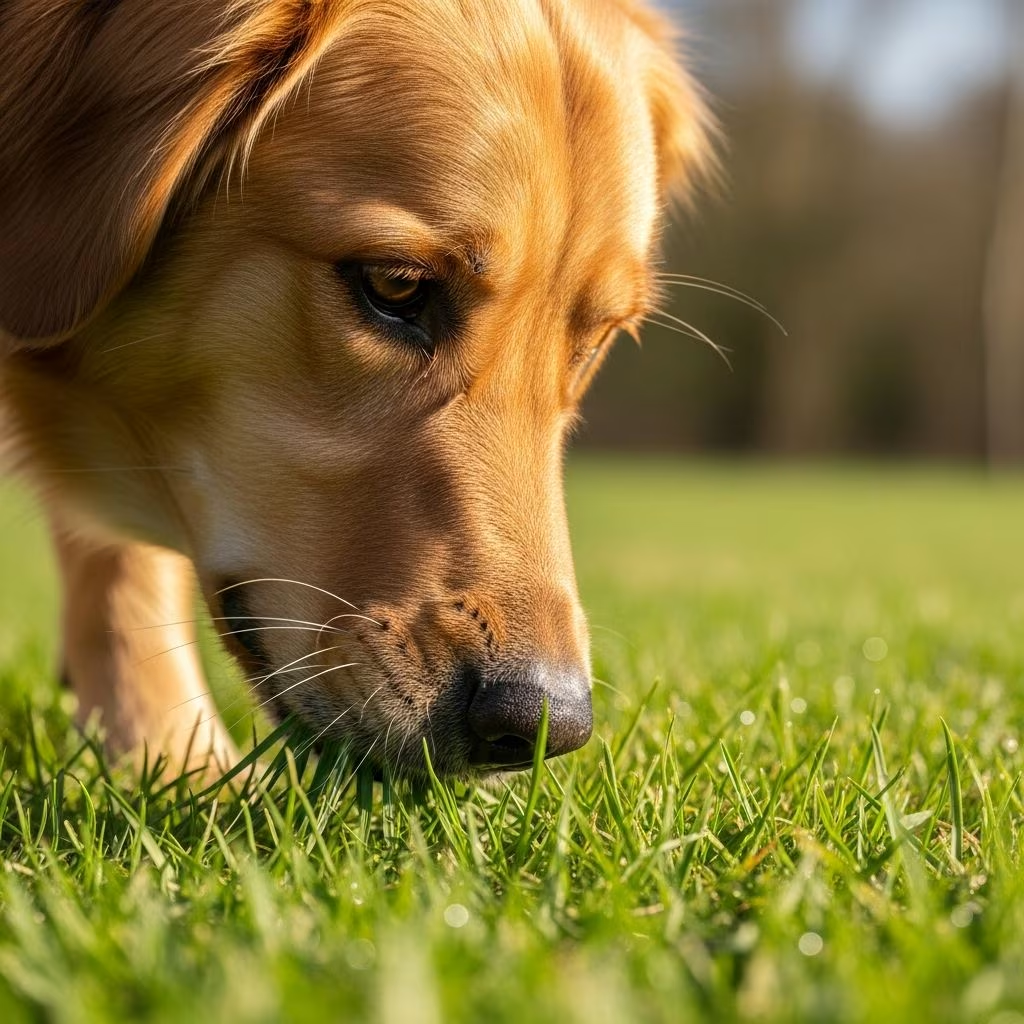
Dogs frequently nibble on grass during walks or in the yard, sparking curiosity among pet owners about whether this behavior signals health issues or simply normal canine conduct. Research indicates it’s often harmless and linked to instincts or environmental factors rather than illness.
The Evolutionary Roots of Grass Eating in Dogs
Domestic dogs descend from wolves, whose diets occasionally included plant matter. Studies on wild canids reveal that 2-10% of wolf stomach contents contain grass or other vegetation, suggesting an inherited behavior for purging or digestion aid. This trait persists in modern dogs, even on commercial kibble, as they explore their surroundings orally.
Observational data from feral dog populations and captive wolves supports this, showing grass consumption without signs of distress. It may stem from opportunistic foraging, where plants helped ancestors manage gut parasites common in raw meat diets.
Debunking the Upset Stomach Myth
A widespread belief holds that dogs eat grass to self-induce vomiting when nauseous. However, surveys of over 1,500 dog owners found only 8% noted illness beforehand, and 22% observed vomiting afterward—not a consistent pattern. Veterinary students’ reports similarly showed most dogs eat grass without prior symptoms or regurgitation.
Instead, grass often passes undigested through a dog’s carnivore-adapted gut, providing minimal relief. Dogs have evolved some carb-digesting enzymes from human coexistence, but cellulose in grass remains largely intact.
Nutritional Factors and Dietary Influences
Some dogs may seek grass for fiber when diets lack roughage, aiding stool passage or gut motility. A case study of a poodle with chronic grass eating resolved after switching to high-fiber food, implying supplementation of deficiencies. Loose stools or constipation alongside grass munching warrants diet review.
- Fiber-rich alternatives: Pumpkin, carrots, or vet-approved supplements over lawn grass.
- Diet check: Ensure balanced nutrition; consult vets for tailored formulas.
Yet, broad evidence disputes routine nutrient lacks as primary drivers, as most grass-eaters thrive on standard diets.
Behavioral Triggers: Boredom and Beyond
Boredom drives many cases, especially in understimulated dogs. High-energy breeds left alone chew grass habitually, turning it into a self-soothing ritual. Anxiety or conflict may prompt it too, suppressing other urges like barking.
Context clues help identify behavioral roots:
- During walks or isolation: Likely entertainment-seeking.
- Post-meal dips or hunger peaks: Routine grazing.
- Attention bids: If owners react strongly, it reinforces the habit.
When Grass Eating Signals Potential Problems
Occasional nibbling is benign, but excessive intake raises flags. Risks include:
| Risk Factor | Description | Action |
|---|---|---|
| Chemical exposure | Pesticides, herbicides on lawns | Use pet-safe yard treatments |
| Parasites/Bacteria | Roundworms, E. coli from contaminated blades | Regular deworming, fecal tests |
| Obstructions | Balled grass blocking intestines | Monitor vomiting, appetite loss |
| Pica | Compulsive non-food eating | Vet evaluation for deficiencies |
Younger dogs eat more grass, possibly due to parasite vulnerability or exploration. Sudden increases, weight loss, or lethargy demand veterinary checks for GI issues or toxicities.
Safe Ways to Curb Excessive Grass Consumption
Redirecting beats punishment. Strategies include:
- Enrich environment: Puzzle toys, longer walks, training sessions combat boredom.
- Diet tweaks: Add safe fibers like green beans or oats.
- Training commands: “Leave it” with treats reinforces control.
- Yard management: Plant dog grass (wheatgrass) or fence off treated areas.
A 2008 study linked less grass eating post-meals, hinting at satiety’s role—ensure consistent feeding.
Grass Varieties and Safety Considerations
Not all grass is equal. Avoid toxic types like foxtail (causes infections) or endophyte-infected fescue (tremors). Urban parks may harbor fertilizers harmful in quantity.
Opt for organic lawns or indoor alternatives:
- Wheatgrass kits: Nutritious, controlled growth.
- Catnip grass: Appeals to dogs too.
Expert Insights from Veterinary Research
Dr. Benjamin Hart’s analysis of wild canid scats (2-74% plant matter) posits parasite expulsion as a key function, more common in pups. Recent reviews confirm grass eating as normative, not pathological, in 80%+ cases.
FAQs on Dogs and Grass Eating
Is it normal for dogs to eat grass every day?
Yes, for most it’s a harmless habit, but track patterns for changes.
Does grass eating mean my dog is sick?
Rarely; only 10% show illness links per surveys.
Can dogs digest grass?
Largely no—it’s fiber that bulks stool undigested.
How to stop my dog from eating grass?
Increase stimulation, train alternatives, boost dietary fiber.
Is treated lawn grass dangerous?
Potentially; wait post-application and rinse paws.
Understanding grass eating empowers owners to respond appropriately, distinguishing instinct from concern. Most dogs self-regulate, thriving with attentive care.
References
- Why Do Dogs and Cats Eat Grass? — Only Natural Pet. 2023. https://www.onlynaturalpet.com/blogs/holistic-healthcare-library/why-do-dogs-and-cats-eat-grass
- Why Do Dogs Eat Grass? — Yaleville Veterinary. 2024-05-15. https://yalesvillevet.com/blog/why-do-dogs-eat-grass/
- Why Do Dogs Eat Grass? — PetMD. 2025-01-10. https://www.petmd.com/dog/behavior/why-do-dogs-eat-grass
- Why Do Dogs Eat Grass? — Berthoud Animal Hospital. 2023-08-22. https://berthoudanimalhospital.com/blog/why-do-dogs-eat-grass/
- The Strange Reasons Your Dog Eats Grass (and Poop) — BBC Science Focus. 2024. https://www.sciencefocus.com/nature/why-do-dogs-eat-grass-and-poop



