

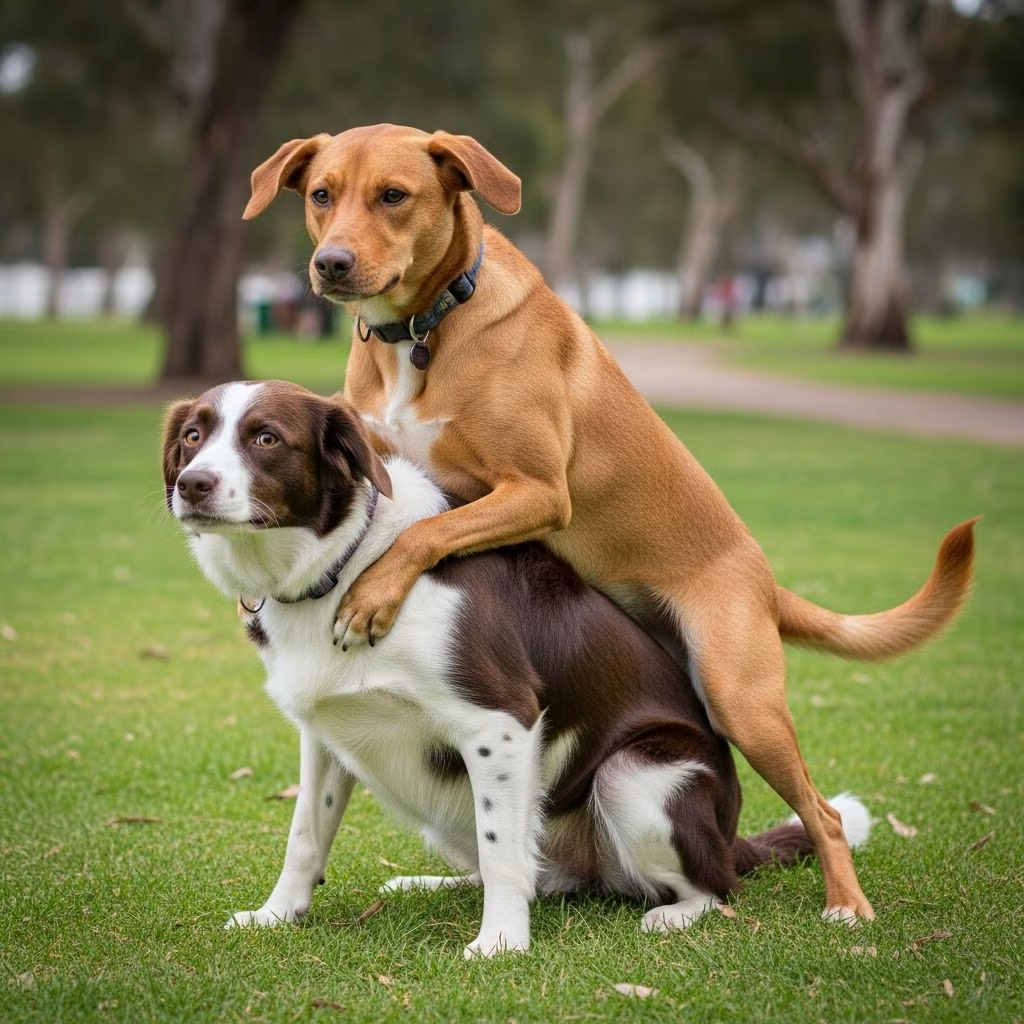
Dog humping, or mounting, is a frequent behavior that leaves many owners red-faced, especially when their pet targets guests, other animals, or furniture. Far from being solely a sexual act, this action often stems from excitement, stress relief, or play. Understanding the triggers empowers owners to address it constructively without scolding, which can worsen the issue.
Common Triggers Behind Canine Mounting
Dogs exhibit mounting for diverse reasons, often unrelated to dominance—a outdated myth debunked by modern behaviorists. Instead, it frequently signals emotional or physical states needing attention.
- Overexcitement during play: Pups get carried away in roughhousing, using mounting to channel high energy levels.
- Stress and anxiety relief: Humping acts as a self-soothing mechanism, similar to compulsive habits in anxious humans.
- Hormonal influences: Intact males and females in heat may hump more due to testosterone surges.
- Attention-seeking: If pushing the dog away results in interaction, they learn it garners focus.
Recognizing patterns—such as humping only at dog parks or with specific toys—helps pinpoint causes. A table below summarizes key triggers and signs:
| Trigger | Common Signs | Likely Context |
|---|---|---|
| Excitement/Play | Rapid mounting during fetch or greetings | High-energy sessions |
| Stress/Anxiety | Repetitive rubbing on objects post-stressors | New environments, loud noises |
| Hormones | Increased frequency near intact opposites | Intact dogs, heat cycles |
| Attention | Targets legs when ignored | Social gatherings |
When Mounting Signals Health Concerns
Though behavioral in most cases, persistent humping warrants a vet check. Skin irritations prompt rubbing that escalates to mounting, while urinary issues or prostate problems in males can manifest similarly. Compulsive humping may cause penile injuries, leading to dermatitis or blockages.
Observe for accompanying symptoms like excessive licking, lethargy, or urinary changes. Early intervention prevents complications; neutering reduces hormone-driven cases by up to 60% in males.
Humane Strategies to Curb the Behavior
Effective management starts with prevention and redirection, avoiding punishment that reinforces through attention.
Boost Exercise and Mental Stimulation
Daily vigorous walks, fetch, or puzzle toys drain excess energy, minimizing overarousal. Aim for 30-60 minutes based on breed and age.
Identify and Eliminate Triggers
Limit dog park visits if humping spikes there; rotate toys to break associations. For stress-induced cases, create calm routines with crate time or calming aids.
Master Redirection Techniques
Interrupt early: Say the dog’s name calmly, then cue “sit” or “down” with treats. Reward compliance lavishly. Transition to fetch or a walk for positive outlets.
- Practice in low-stakes settings first.
- Use high-value rewards like chicken bits.
- Consistency across family members is key.
Training for Long-Term Success
Enroll in obedience classes to build impulse control. Programs like Canine Good Citizen reinforce authority without force, calming anxious dogs. Positive reinforcement trumps dominance-based methods.
Special Scenarios: Protecting Victims and Households
Pets frequently on the receiving end of humps may develop fear or reactivity. Monitor interactions; separate if needed and desensitize gradually with controlled playdates.
In multi-dog homes, hierarchy plays a minor role—focus on individual management. For guest humping, preempt with leashed greetings and commands.
FAQs on Dog Humping Behavior
Is humping always sexual?
No, it’s rarely purely sexual in neutered dogs; excitement or stress dominates.
Does neutering stop it completely?
It reduces incidence significantly, especially in males, but learned habits may persist.
What if my dog humps obsessively?
Consult a vet for medical rules-outs, then a behaviorist for compulsion therapy.
Should I punish humping?
Never; it increases anxiety and attention reinforcement.
How long until training works?
Weeks to months with consistency; track progress in a journal.
Building a Hump-Free Environment
Combine strategies for holistic results: structured routines, ample enrichment, and professional guidance for stubborn cases. Patience yields polite, confident dogs.
Owners report 80-90% improvement with redirection and exercise, transforming embarrassing moments into trainable opportunities.
References
- Humping Behaviour in Dogs — PDSA. 2023. https://www.pdsa.org.uk/pet-help-and-advice/pet-health-hub/symptoms/humping-behaviour-in-dogs
- Why Does My Dog Hump? Understanding Dog Humping or Mounting — American Kennel Club (AKC). 2023-10-15. https://www.akc.org/expert-advice/training/why-is-my-dog-humping-or-mounting/
- Look Away, Please: How to Stop a Dog From Humping — Union Lake Veterinary Hospital. 2024. https://unionlakeveterinaryhospital.com/blog/look-away-please-how-to-stop-a-dog-from-humping
- Why Do Dogs Hump? — PetMD. 2024-01-20. https://www.petmd.com/dog/behavior/why-do-dogs-hump
- Mounting and Masturbation — ASPCA. 2023. https://www.aspca.org/pet-care/dog-care/common-dog-behavior-issues/mounting-and-masturbation



