

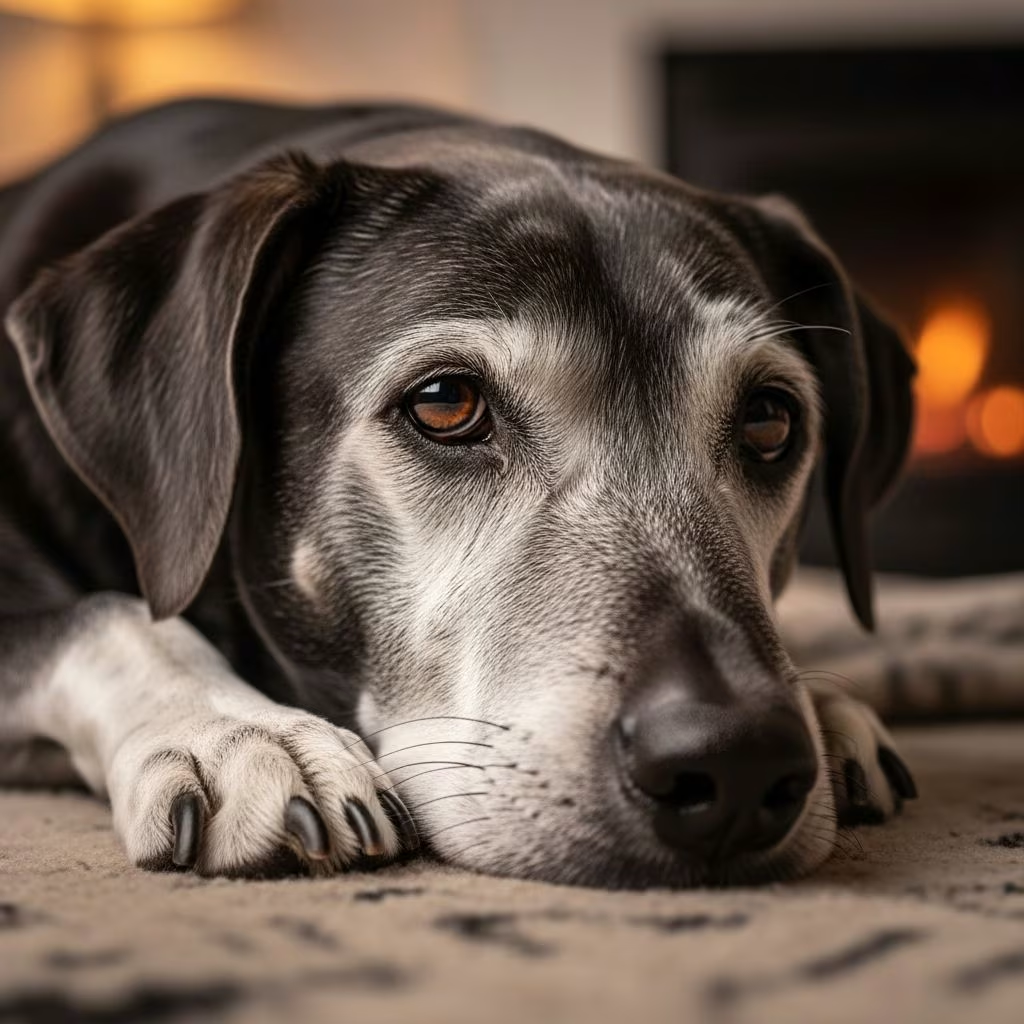
Observing a touch of silver on your dog’s muzzle can stir mixed feelings, especially if your canine companion is still young. While gray hair around the face often signals the passage of time in senior pets, early onset in younger dogs raises questions about underlying factors. This phenomenon, known as premature muzzle graying, affects dogs under five years old and can stem from a variety of influences beyond simple chronology.
Understanding these causes empowers owners to address potential issues proactively. Factors range from inherited traits to emotional states and physiological conditions. By examining each contributor, dog guardians can better interpret changes in their pet’s appearance and overall well-being.
Unraveling the Mystery of Early Facial Graying
Premature graying typically manifests first on the muzzle, gradually spreading to the face and sometimes the body. In dogs aged one to four years, this shift from vibrant coat colors to silvery strands prompts concern. Unlike uniform aging patterns in older animals, early graying often appears patchy and concentrated around the snout.
Research involving hundreds of young dogs has illuminated connections between physical changes and behavioral patterns. Dogs displaying notable graying by age four tend to show distinct traits that differentiate them from their solidly colored peers. This isn’t merely cosmetic; it may reflect broader health or environmental dynamics at play.
Behavioral Links to Premature Silver Strands
Emotional states profoundly impact a dog’s physical appearance. Studies reveal that dogs with gray muzzles before age four are significantly more prone to anxiety, fear responses, and impulsive actions. For instance, these pups might whine excessively when separated from owners, exhibit destructive tendencies during alone time, or shed profusely in unfamiliar settings like veterinary clinics.
- Anxiety indicators: Separation distress, such as howling or property damage when left alone.
- Fear manifestations: Startling at loud sounds, shying from strangers or other animals.
- Impulsivity signs: Uncontrolled jumping on guests, relentless barking, or struggles to settle down.
These behaviors correlate strongly with accelerated pigment loss in facial fur. Unlike factors such as breed size, neuter status, or household companions, emotional traits emerge as key predictors. Addressing these through training and enrichment can potentially slow visible aging markers.
The Role of Genetics in Coat Color Fading
Inherited traits play a pivotal role in how and when a dog’s fur loses pigmentation. A specific greying gene targets eumelanin—the black or liver pigment—causing it to degrade progressively as hair grows. Puppies born with this dominant gene start with solid colors that lighten over time, creating a diluted, grizzled effect most noticeable in longer or wiry coats.
Certain breeds carry this gene prominently, including Old English Sheepdogs, Kerry Blue Terriers, and Standard Poodles. In mixed breeds, it surfaces unpredictably since only one parental copy suffices for expression. Notably, this genetic process spares phaeomelanin (red tones) and doesn’t alter nose or eye pigmentation, distinguishing it from dilution genes.
| Breed Examples | Graying Characteristics |
|---|---|
| Old English Sheepdog | Progressive body lightening from black/liver base |
| Kerry Blue Terrier | Silver body with persistent black muzzle mask |
| Standard Poodle | Uneven fading on liver or black coats |
New hair growth initially holds color before fading, confirming the structural pigment breakdown hypothesis. Owners of predisposed breeds should anticipate this trait without alarm, as it’s a benign genetic quirk.
Nutritional Influences on Pigment Retention
A balanced diet supports vibrant coat health, while deficiencies can hasten color loss. Copper, vital for melanin synthesis, proves particularly crucial; shortages may trigger premature whitening. Studies link suboptimal nutrition to faded fur, underscoring the need for complete, species-appropriate feeds.
Beyond minerals, overall caloric balance and omega fatty acids contribute to sheen and hue stability. Puppies and active adults demand tailored rations to prevent stress on pigment-producing cells. Consulting a veterinarian for bloodwork can pinpoint shortages, guiding dietary adjustments.
Health Conditions Signaling Through Gray Hair
Though rarer, medical issues can masquerade as early aging. Hypothyroidism, where the thyroid underperforms, disrupts metabolism and pigment production, leading to unexpected grays. Similarly, compromised liver or kidney function impairs toxin clearance, indirectly affecting coat quality.
These conditions warrant prompt veterinary evaluation, as they extend beyond cosmetics to vitality. Symptoms like lethargy, weight fluctuations, or skin changes often accompany fur shifts, forming a diagnostic cluster. Routine checkups, especially for breeds prone to endocrine disorders, aid early detection.
Distinguishing Normal Aging from Premature Changes
Context clarifies whether graying aligns with life stage. In dogs over seven years—considered seniors by many metrics—muzzle frosting is routine, often paired with drier skin or thinner fur. Breeds like Greyhounds or Schnauzers show innate grays regardless of age.
- Normal aging (5+ years): Gradual, symmetric muzzle and eye rim whitening.
- Premature (<5 years): Patchy, rapid onset linked to behaviors or health flags.
Monitoring progression helps differentiate; sudden acceleration merits professional review.
Strategies to Support Your Dog’s Coat Vitality
While genetics prove immutable, lifestyle tweaks mitigate modifiable causes. For stress-linked graying, implement desensitization training, puzzle toys, and consistent routines to bolster emotional resilience.
- Enroll in positive reinforcement obedience classes to curb impulsivity.
- Introduce calming aids like pheromone diffusers during high-anxiety periods.
- Ensure daily exercise quotas to expend energy and reduce fear responses.
Nutritionally, prioritize AAFCO-approved foods rich in trace minerals. Supplements require vet approval to avoid excesses. Regular grooming distributes natural oils, enhancing luster amid changes.
For suspected health roots, diagnostic panels—including thyroid assays and organ function tests—guide interventions. Treating hypothyroidism with hormone replacement often restores vigor and may partially reverse pigment loss.
Common Myths About Canine Graying Debunked
Misconceptions abound regarding fur changes. Contrary to popular belief, spaying/neutering doesn’t accelerate graying, nor does multi-pet households influence it. Dark-coated dogs appear grayer sooner due to contrast, not inherent predisposition. Stress mirrors human patterns but lacks exhaustive causal proof beyond associations.
When to Consult a Veterinarian
Seek expert advice if graying coincides with appetite loss, mobility issues, or behavioral escalations. Annual wellness exams for adults and biannual for seniors facilitate baseline tracking. Blood chemistry, urinalysis, and endocrine screening pinpoint treatable culprits.
Early intervention preserves quality of life, transforming potential worry into manageable care.
Frequently Asked Questions
Can stress really cause my dog’s muzzle to gray early?
Yes, research links anxiety and fear to premature facial graying in dogs under four, with affected pups showing higher impulsivity and separation distress.
Is premature graying harmful to my dog?
Typically cosmetic and benign if genetic or stress-related, but it may signal thyroid issues or organ dysfunction requiring treatment.
How do I prevent early graying in my puppy?
Focus on stress reduction via training, balanced nutrition with copper-rich foods, and routine vet checks; genetics can’t be altered.
Which breeds are most prone to the greying gene?
Breeds like Kerry Blue Terriers, Old English Sheepdogs, and Poodles often exhibit progressive eumelanin fading.
Will my dog’s gray hairs spread to the whole body?
Possibly if genetic; stress or health cases often localize to the face, but monitor for progression.
References
- Early graying in dogs suggests behavioral issues — Figo Pet Insurance. 2022. https://figopetinsurance.com/blog/early-graying-dogs-suggests-behavioral-issues
- Breeds With the Greying Gene — Dog Coat Colour Genetics. Accessed 2026. https://www.doggenetics.co.uk/greying.html
- Why is My Dog Getting White Hair at a Young Age? — Spark Paws. 2023. https://www.sparkpaws.com/blogs/community/why-is-my-dog-getting-white-hair-at-a-young-age
- Why premature graying in dogs can be grounds for worry | Pet Project — CBS Philadelphia (YouTube). 2025-08-31. https://www.youtube.com/watch?v=xXooK-J5fvc
- 4 Reasons Dogs Go Gray — Thousand Hills Pet Resort. 2023. https://www.thousandhillspetresort.com/post/4-reasons-dogs-go-gray
- Aging Dogs: Signs and Solutions — Grey Muzzle. Accessed 2026. https://www.greymuzzle.org/resources/health-and-well-being-care/aging-dogs-signs-and-solutions-andrew-jones



