

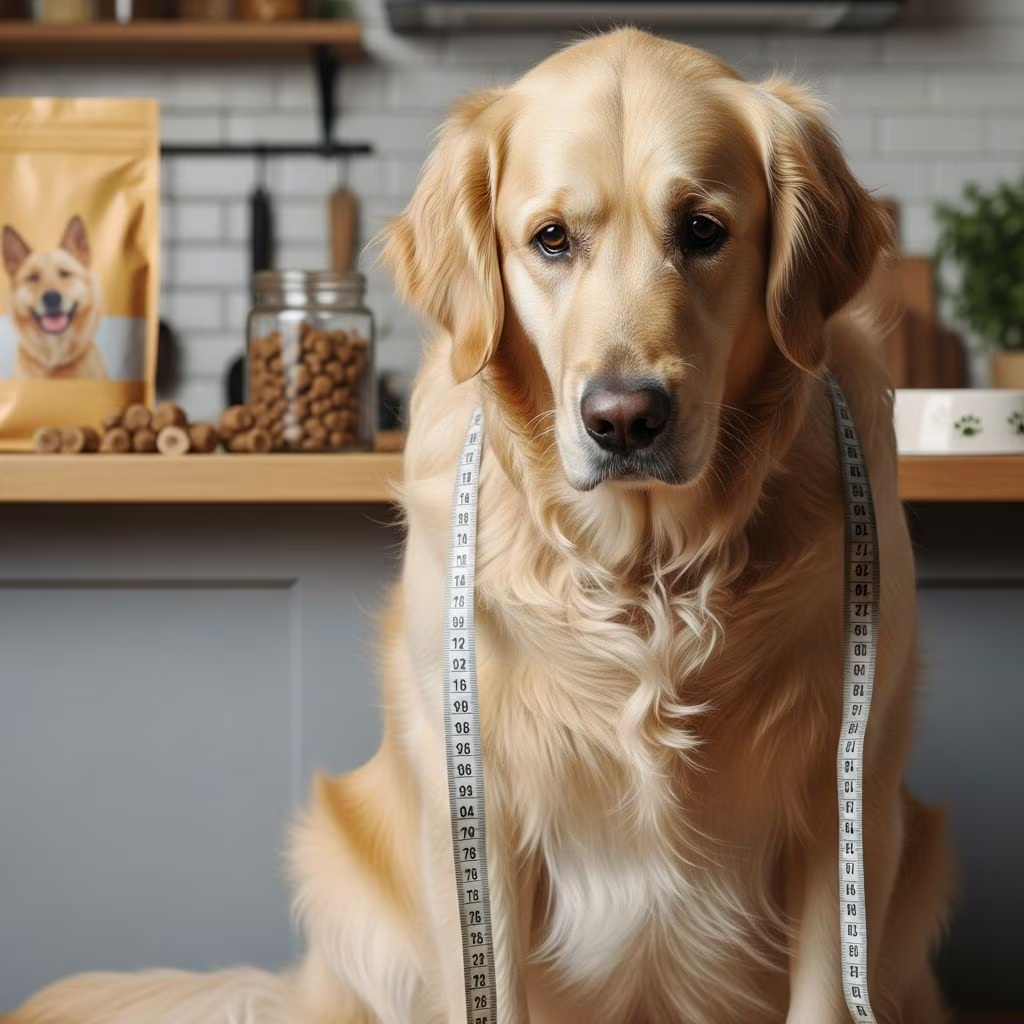
Rapid weight gain in dogs frequently arises from a mix of lifestyle factors and underlying health problems, with overfeeding and insufficient exercise being the leading contributors, alongside conditions such as hypothyroidism and Cushing’s disease.
Recognizing Sudden Weight Changes in Your Dog
Owners often notice their dog’s belly expanding or ribs becoming harder to feel, signaling potential obesity. In the U.S., about 65% of dogs are overweight or obese, which can drastically shorten lifespan by inviting issues like arthritis and heart disease. Tracking weight weekly helps catch changes early, as even small gains can escalate quickly if unaddressed.
Visual cues include a rounding waistline from above and lack of a defined waist tuck from the side. Use the body condition score (BCS) system: on a 9-point scale, scores of 6-9 indicate excess fat. Palpate the spine and hips—if bones aren’t easily felt under a thin fat layer, intervention is needed.
Everyday Habits Fueling Fast Weight Gain
The simplest explanation for quick pounds is often calories in exceeding calories out. Many owners unknowingly overfeed by misjudging portions or adding extras like table scraps and treats, which can double daily intake.
- Portion Miscalculations: Dry kibble scoops vary; always weigh food using a kitchen scale for accuracy.
- Treat Traps: Treats should comprise no more than 10% of calories—swap for low-cal veggies like carrots.
- Human Food Slip-Ups: Fatty scraps disrupt metabolism and promote fat storage.
Age plays a role too: senior dogs naturally slow down, burning fewer calories despite unchanged rations. Without diet tweaks, pounds pile on rapidly.
The Exercise Deficit Problem
Sedentary lifestyles mirror human trends, with couch-potato dogs gaining weight from minimal movement. Daily walks, play, or fetch burn energy and build muscle, countering fat accumulation.
Lack of activity stems from busy schedules or apartment living, but even 20-30 minutes of brisk walking twice daily suffices for most breeds. Breeds like Beagles or Bulldogs, prone to laziness, need extra motivation like puzzle toys.
| Activity Level | Recommended Daily Exercise | Weight Impact |
|---|---|---|
| Low (seniors, small breeds) | 20-30 min walks | High risk if diet unchanged |
| Moderate (family pets) | 45-60 min mixed activity | Balanced maintenance |
| High (working breeds) | 90+ min runs/hikes | Prevents gain entirely |
Incorporate variety: swimming for joint-friendly cardio or agility games for mental stimulation alongside physical burn.
Neutering’s Surprising Role in Weight Creep
Spayed or neutered dogs face double the obesity risk due to hormonal shifts reducing energy needs by up to 30% while boosting appetite. Without adjustments, they eat more but move less.
Post-surgery, switch to neuter-specific formulas lower in fat. Monitor closely in the first year, as gains happen fastest then. Studies show sterilized pets consume more when fed freely, emphasizing measured meals.
Medications That Pack on Pounds
Some drugs inadvertently cause weight spikes. Steroids like prednisone ramp up hunger and redistribute fat to the abdomen. Anti-seizure meds such as phenobarbital similarly increase appetite.
- Discuss alternatives with vets if long-term use is planned.
- Counteract with strict portion control and added walks.
Glucocorticoids promote fluid retention too, mimicking fat gain. Regular weigh-ins during treatment catch issues early.
Hormonal Havoc: Endocrine Disorders Explained
When weight surges despite stable habits, suspect endocrine issues. These disrupt metabolism, causing fat storage even on reduced calories.
Hypothyroidism: The Silent Metabolism Slowdown
Common in breeds like Golden Retrievers and Dobermans, this underactive thyroid halves calorie burn. Dogs gain steadily without eating more, plus show lethargy, hair thinning, and cold intolerance.
Diagnosis via blood tests measures thyroid hormones; treatment is lifelong oral supplements, restoring normal weight. Early catch prevents secondary issues like high cholesterol.
Cushing’s Disease: Cortisol Overload
Excess cortisol from adrenal overactivity spikes hunger, thirst, and pot-bellied appearance. Middle-aged dogs, especially Poodles and Dachshunds, are prone.
Symptoms overlap hypothyroidism but include panting and skin infections. Tests like ACTH stimulation confirm; meds or surgery manage it. Untreated, it accelerates diabetes and hypertension.
| Condition | Main Symptoms | Breeds at Risk | Treatment |
|---|---|---|---|
| Hypothyroidism | Weight gain, lethargy, hair loss | Dobermans, Goldens | Hormone pills |
| Cushing’s | Pot belly, thirst, panting | Poodles, Dachshunds | Drugs/surgery |
Other Medical Mimics of Weight Gain
Not all “gains” are fat. Fluid from heart or liver failure bloats the abdomen. Tumors, pregnancy, or bloat create false obesity illusions—urgent vet visits differentiate these.
Joint pain from arthritis curbs exercise, indirectly fattening dogs. Comorbidities like diabetes compound risks.
Genetic and Breed-Specific Vulnerabilities
Some breeds carry obesity genes, with higher fat-to-muscle ratios. Labradors, Cocker Spaniels, and Beagles top lists—tailor diets accordingly from puppyhood.
Gestation nutrition influences pups’ lifelong tendencies, per research. Breed standards guide ideal weights; consult charts for targets.
Prevention Blueprint for a Lean Dog
Proactive steps keep scales steady:
- Feed breed/age-specific kibble, measured precisely.
- Schedule routine vet checks for early detection.
- Aim for gradual loss: 1-2% body weight weekly max.
- Mix diet with exercise; use apps for tracking.
Post-neuter or med changes, recalibrate immediately. Annual bloodwork screens hormones in at-risk dogs.
FAQs on Dog Weight Gain
How fast is too fast for dog weight gain?
More than 5-10% in a month warrants a vet, especially unexplained.
Can treats cause rapid obesity?
Yes, if exceeding 10% calories—they add up stealthily.
Is weight gain normal after neutering?
Common but preventable with diet tweaks.
What tests rule out hypothyroidism?
T4, TSH blood panels confirm low thyroid function.
How to safely slim a chubby dog?
Vet-guided calorie cut (20-30% reduction), plus doubled exercise.
References
- Obesity in Dogs: Signs, Causes, and Treatment — PetMD. 2023. https://www.petmd.com/dog/conditions/digestive/obesity-dogs
- Eight predisposing factors to obesity in dogs and cats — Vets and Clinics. 2022. https://vetsandclinics.com/en/library/eight-predisposing-factors-to-obesity-in-dogs-and-cats
- Weight Gain in Dogs: Why Is My Dog Gaining Weight? — WebMD. 2024-01-15. https://www.webmd.com/pets/dogs/dog-gaining-weight
- Causes of Dog Obesity and How to Prevent It — South Central Veterinary Services. 2023-05-20. https://southcentralvet.com/blog/causes-of-dog-obesity-and-how-to-prevent-it-in-bowling-green-ky/
- Unexplained Weight Gain in Dogs — Vetster. 2024. https://vetster.com/en/symptoms/dog/unexplained-weight-gain-in-dogs
- Obesity: The Thick and Thin of It — St. Vital Veterinary Hospital. 2019-01-01. https://www.stvitalveterinaryhospital.com/resources/blog/january-2019/obesity-the-thick-and-thin-of-it
- Obesity in dogs — PDSA. 2024. https://www.pdsa.org.uk/pet-help-and-advice/pet-health-hub/conditions/obesity-in-dogs



