

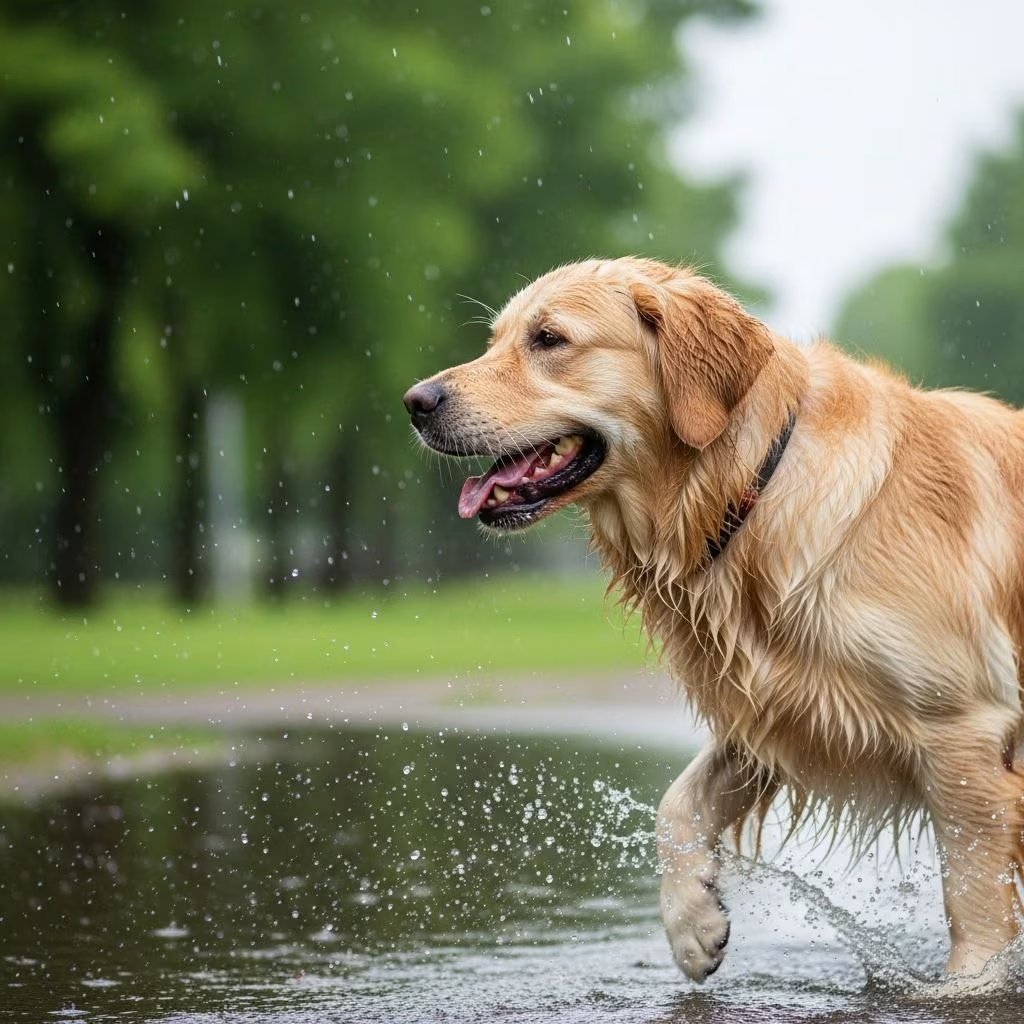
Many dog owners have observed their furry companions exhibiting unusual enthusiasm when rainfall begins. While some dogs seem content to remain indoors during downpours, others display remarkable excitement at the prospect of venturing outside into wet conditions. This behavioral contrast raises an important question: what drives certain dogs to actively seek out and enjoy rainy weather experiences? Understanding the underlying reasons for this attraction requires examining the complex interplay between canine sensory perception, evolutionary instincts, and individual personality traits.
The Sensory Stimulation Factor in Rainy Conditions
Dogs perceive the world through a sensory lens vastly different from humans. Their olfactory system is exponentially more sensitive than ours, capable of detecting odors at concentrations nearly one hundred million times lower than humans can perceive. When rain falls, it fundamentally transforms the chemical composition of the environment by releasing volatile compounds and redistributing existing scents across the landscape.
The process of precipitation carries moisture upward from soil, plants, and water sources, bringing numerous olfactory compounds to the surface where dogs can detect them more easily. This phenomenon creates what scientists term “petrichor”—the distinctive earthy scent produced when rain interacts with soil microorganisms and plant matter. For dogs, this represents an entirely new olfactory landscape filled with information about their surroundings, potential food sources, and the presence of other animals.
Rain also modifies how scent molecules travel through the air. Lower atmospheric pressure systems that accompany rainfall change the density and movement patterns of airborne particles, allowing dogs to track scents more effectively. Dogs demonstrate the ability to sense changes in barometric pressure, which often precede storms, making them more attuned to incoming weather changes than their human companions. This heightened awareness can trigger an exploratory response, encouraging dogs to venture outside and investigate the transformed sensory environment.
Behavioral Excitement and Novelty-Seeking Tendencies
Dogs are inherently drawn to novelty and environmental changes. The arrival of rain represents a significant departure from normal conditions, introducing new sounds, textures, and experiences. For many dogs, this change stimulates mental enrichment and provides welcome variety in their daily routines.
The patter of raindrops, the movement of water flowing across surfaces, and the altered appearance of familiar locations all contribute to an enriched sensory experience. Dogs that enjoy this type of stimulation often display increased playfulness and energy during and immediately following rainfall. The change in atmospheric conditions and the novel sensory inputs can prompt what appears to be excitement or enthusiasm, as dogs respond to the stimulating nature of the altered environment.
This behavior becomes particularly pronounced in dogs with high prey drives or strong exploratory instincts. These animals may view rainy weather as an opportunity to engage in natural behaviors such as tracking, sniffing, and patrolling their territory. The combination of new scents, sounds, and environmental changes activates their natural curiosity and encourages outdoor engagement.
Cooling Relief and Temperature Regulation
Temperature regulation represents another significant factor in dogs’ attraction to rainy conditions. Unlike humans, dogs cannot sweat through their skin to cool themselves. Instead, they rely primarily on panting and minimal sweat glands located on their paw pads. During warm weather, even temperatures that humans find merely pleasant can cause discomfort for dogs, particularly those with thick coats or certain breed characteristics.
Rainfall provides natural cooling benefits that many dogs find genuinely pleasurable. The combination of water contact and evaporative cooling helps reduce their core body temperature, offering relief from heat discomfort. This is especially true for dogs living in warm climates or during warmer months when temperatures remain elevated despite rainfall. Wet conditions also reduce the reflective heat from pavement and other surfaces, providing additional cooling benefits.
Some dogs may spend extended periods in the rain specifically because it provides this temperature relief. The moisture on their coat and the cooling effect of water contact create a comfortable physical sensation. Dogs that actively seek out rain for cooling purposes typically return indoors once they’ve achieved sufficient temperature reduction, demonstrating that the behavior serves a genuine physiological purpose.
Natural Instincts and Ancestral Behaviors
Modern domestic dogs retain behavioral patterns inherited from their wolf ancestors. In wild canine packs, rain and wet weather provided both advantages and challenges. Water could obscure scent trails, which required wolves to develop enhanced tracking abilities in wet conditions. Additionally, rainfall often corresponded with increased activity in prey species, as many animals emerge to feed or drink following precipitation.
The evolutionary advantage of remaining alert and active during rainfall may have left its mark on canine DNA. Dogs that could effectively navigate and hunt during wet conditions would have possessed survival advantages, potentially passing these behavioral inclinations to subsequent generations. Contemporary dogs may retain this ancestral attraction to rainy conditions as an instinctive response, even though modern domestication has eliminated the practical need for this behavior.
Furthermore, many dogs demonstrate territorial behaviors that intensify during weather changes. The arrival of rain can trigger increased patrolling and marking behaviors as dogs reestablish their sense of territory and dominance. This instinctive response to environmental changes may partially explain why some dogs become particularly active and engaged during rainy periods.
Individual Personality and Early Experience
Just as humans display individual preferences, dogs exhibit distinct personality variations in their response to rain and wet weather. Some dogs appear to genuinely enjoy the sensation of water contact, while others demonstrate aversion to wet conditions. These preferences may stem from early exposure, breed characteristics, and individual temperament.
Dogs that have positive early experiences with water and rain typically maintain favorable associations with wet weather throughout their lives. Conversely, dogs with limited exposure to water or negative experiences during precipitation may develop aversion to rainy conditions. Early sensitive periods play crucial roles in shaping behavioral responses, and experiences during puppyhood often establish patterns that persist into adulthood.
Breed characteristics also influence rain tolerance and preference. Certain breeds were originally developed for water-based work, such as Labrador Retrievers and Portuguese Water Dogs, and retain genetic predispositions favoring water interaction. These breeds often display greater enthusiasm for wet conditions compared to breeds developed for arid environments or indoor companionship.
Understanding Fear Responses to Rainy Weather
While many dogs enjoy rainfall, others experience significant anxiety or fear during wet weather and thunderstorms. Research indicates that approximately 15 to 30 percent of dogs display extreme fear responses to thunderstorms. Dogs diagnosed with storm phobia can react with anxiety or fear to wind, rain, thunder, lightning, and other associated stimuli, including barometric pressure changes and static electricity.
Research from Penn State University researchers discovered that thunder-phobic dogs experience a rapid increase of cortisol—the stress hormone—during thunderstorms, with cortisol production reaching 200 percent higher levels compared to non-phobic dogs. This physiological response demonstrates that fear responses to storms represent genuine stress experiences rather than behavioral quirks.
Dogs experiencing storm phobia display multiple behavioral indicators including trembling, panting, pacing, whimpering, barking, and hiding behaviors. Some dogs develop such extreme fear that they attempt to escape, potentially leading to dangerous situations. Understanding the difference between dogs that enjoy rain and those that fear it is essential for providing appropriate care and support.
Barometric Pressure and Weather Sensitivity
Dogs possess remarkable sensitivity to atmospheric pressure changes that exceed human perception capabilities. The American Animal Hospital Association confirms that changes in barometric pressure significantly affect dogs’ behavior. As pressure in the air decreases, the way odors travel changes substantially, allowing dogs to notice these changes even before humans detect visible weather shifts.
This sensitivity enables dogs to anticipate approaching storms and weather changes hours before precipitation begins. Dogs may display increased restlessness, agitation, or conversely, heightened excitement as they respond to barometric pressure shifts. Some dogs actually jump into bathtubs or other enclosed spaces when they sense pressure changes, seeking what experts believe may be comfort or safety during approaching storms.
Additionally, dogs can detect changes in the static electric field occurring in the air as strong storms approach, providing another layer of weather sensitivity. This multifaceted perception of weather changes means dogs may begin responding to incoming storms long before rainfall actually begins, preparing themselves through behavioral adjustments.
Behavioral Changes During Wet Weather Periods
Research examining behavioral patterns during intense weather events reveals significant variations in how individual dogs respond to rainfall and storms. Comprehensive studies indicate that during heavy thunderstorms or high-intensity rains, dogs demonstrated increased nervousness and reactivity (45.9%), fearful behaviors (47.7%), tendency to hide (38.8%), and vocalizations (26.5%). Dogs also exhibited reduction in activity (48%) and play behavior (33.7%).
However, not all behavioral changes represent negative responses. Approximately half of dogs (49.7%) demonstrated no fear of loud noises, gunshots, or thunderstorms, while a smaller percentage (21.4%) actually sought owner attention during weather events. This variation highlights individual differences in weather response and the importance of recognizing that behavioral changes during wet weather reflect genuine physiological and psychological processes.
Safety Considerations for Rainy Weather Activities
While many dogs enjoy outdoor activities during rainfall, several safety considerations warrant attention. Wet conditions increase the risk of slipping and injury, particularly on smooth surfaces like tile or hardwood flooring. Dogs may also ingest excessive water while playing in rain, potentially leading to water intoxication in extreme cases. Muddy conditions can harbor bacteria and parasites, and prolonged water exposure may lead to skin irritation in some dogs.
Additionally, extended exposure to cold, wet conditions can lead to hypothermia, particularly in small-breed dogs or those with thin coats. After outdoor rainy play, thoroughly drying dogs becomes important for preventing skin conditions and maintaining comfort. Establishing appropriate boundaries for rainy weather activities helps ensure dogs can enjoy these experiences safely while minimizing potential health risks.
Tips for Managing Your Dog’s Rainy Weather Behavior
- Observe individual preferences: Pay attention to your dog’s natural response to rain and wet conditions to understand whether they genuinely enjoy or fear rainfall
- Provide appropriate drainage: Ensure your yard drains properly to prevent standing water accumulation that could harbor pathogens
- Establish drying routines: Keep towels readily available to dry your dog after outdoor rainy activities, reducing skin irritation risk
- Monitor activity duration: Limit extended exposure to wet, cold conditions that may lead to hypothermia or discomfort
- Create safe spaces: Provide comfortable indoor areas where dogs can retreat if they experience weather-related anxiety
- Consult professionals: Seek veterinary guidance if your dog displays extreme fear responses or concerning behavioral changes during weather events
Frequently Asked Questions
Why does my dog seem happier when it rains?
Dogs that enjoy rain typically respond positively to enhanced sensory stimulation, novel scents released by precipitation, and the cooling effects of wet conditions. Additionally, the atmospheric and barometric pressure changes may stimulate exploratory instincts, creating genuine enjoyment for weather-sensitive dogs.
Is it safe for dogs to play in the rain?
Moderate rainy weather play is generally safe for most dogs. However, monitor your dog’s time outdoors during heavy rainfall or thunderstorms, dry them thoroughly afterward, and watch for signs of discomfort or distress. Always provide access to shelter and fresh water.
How can I help a dog that fears thunderstorms?
Create a safe indoor space where your dog can retreat during storms. Avoid forcing exposure to storm sounds, as this can intensify fear. Consult with veterinarians or certified animal behaviorists about anxiety management strategies tailored to your dog’s specific needs.
Can I train my dog to enjoy rain if they currently fear it?
Gradual desensitization in low-stress environments may help some dogs become more comfortable with rain. However, forcing exposure to fearful stimuli can worsen anxiety. Professional guidance ensures training approaches support your dog’s emotional wellbeing.
Conclusion: Respecting Individual Rainy Day Preferences
The question of why dogs stay out in the rain reveals the complexity of canine perception, instinct, and individual personality. Rather than attributing this behavior to a single cause, recognizing that multiple factors—including enhanced sensory stimulation, temperature regulation, ancestral instincts, and personality variations—contribute to dogs’ rainy weather responses provides a more complete understanding. By observing your individual dog’s preferences and reactions to wet weather, you can create an environment that supports their emotional and physical wellbeing while allowing them to experience the genuine enjoyment or manageable anxiety that rainy conditions may bring.
References
- Can Weather Affect a Dog’s Behavior — LeadER Vet. 2024. https://leadervet.com/can-weather-affect-a-dogs-behavior/
- Noise and Storm Phobias and Anxiety in Dogs — Today’s Veterinary Practice. 2024. https://todaysveterinarypractice.com/behavior/noise-storm-phobias-anxiety-in-dogs/
- Do intense weather events influence dogs’ and cats’ behavior — National Institutes of Health, PMC. 2022. https://pmc.ncbi.nlm.nih.gov/articles/PMC9480616/



