

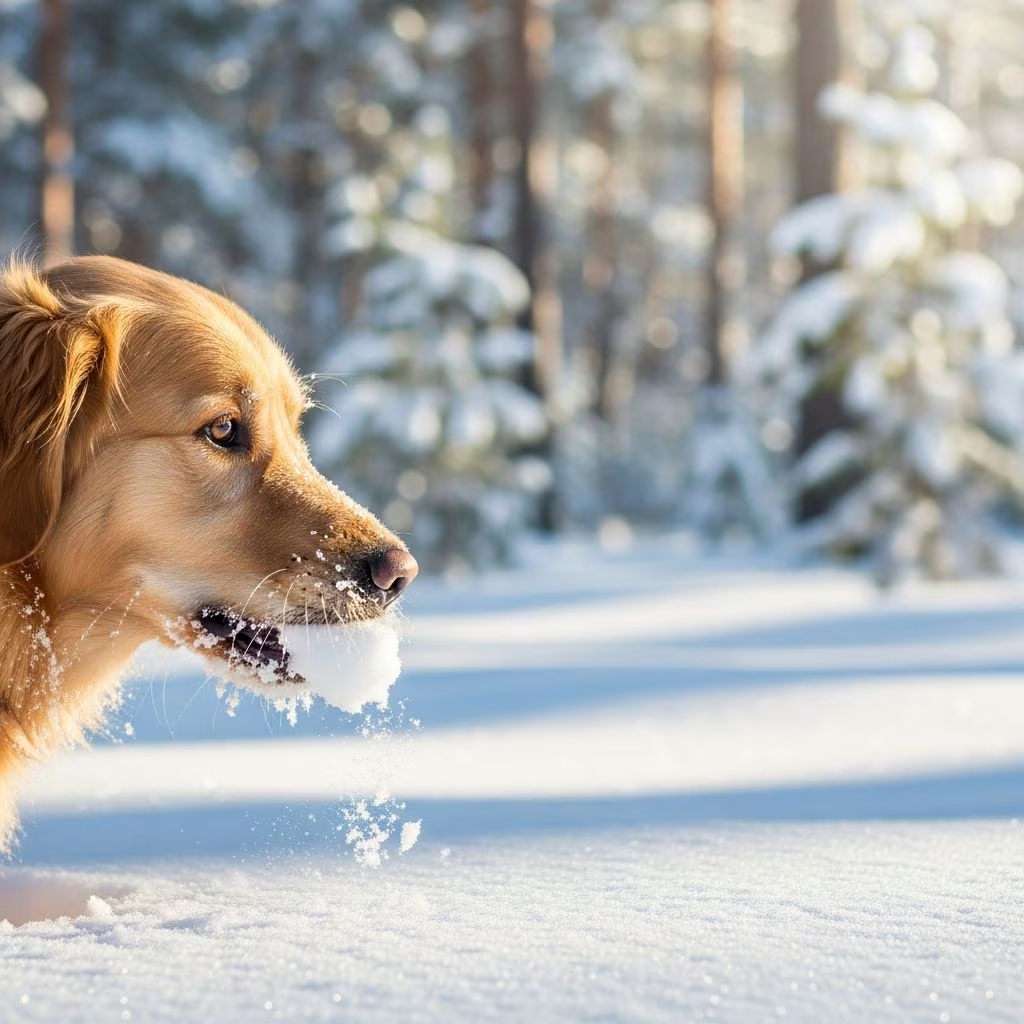
Dogs often dive into snow during winter walks, munching mouthfuls of the white stuff with enthusiasm. This behavior stems from a mix of practical needs, playful exploration, and deep-rooted instincts. While occasional nibbles on fresh snow pose little harm, understanding the motivations helps pet owners respond appropriately and spot when it signals deeper concerns.
The Thirst Factor: Snow as a Quick Hydration Source
One primary reason dogs consume snow is simple dehydration. After vigorous play or exercise in cold air, which can dry out their mouths faster than expected, snow offers an immediate, appealing water alternative. Veterinary experts note that snow, though mostly air, provides a refreshing chill that dogs find irresistible when their regular water bowl feels stale.
Snow consists of only about 5% to 10% actual water content, meaning dogs must ingest large volumes for meaningful hydration. This inefficiency doesn’t deter them, as the cold sensation and novelty outweigh the low yield. Ensuring fresh water is always available before outings reduces this urge significantly.
Ancestral Instincts at Play
Domesticated dogs carry behaviors from their wild forebears who navigated harsh winters without modern conveniences. In frozen landscapes, snow served as the sole hydration option for ancestors like wolves in arctic regions. This genetic memory persists, prompting even well-watered pets to treat snow as a natural resource.
Breeds from cold climates, such as Siberian Huskies or Alaskan Malamutes, exhibit this trait more prominently. Their high metabolisms maintain body temperatures around 101°F, allowing them to eat snow in sub-zero conditions without discomfort. This adaptation highlights how evolutionary history influences modern pet actions.
Playfulness and Sensory Exploration
Snow captivates dogs through its unique texture, temperature, and abundance. The crunch underfoot, the melt on the tongue, and the visual transformation of familiar terrain spark curiosity. Dogs explore the world orally, making snow a prime target for investigation during romps in fresh powder.
This sensory delight explains why puppies and energetic breeds indulge most. The cold provides a thrilling contrast to warmer days, encouraging repeated bites. Owners observe this during first snowfalls, where initial tentative licks evolve into full scoops.
Potential Links to Digestive Discomfort
Beyond fun and need, some dogs turn to snow for stomach relief. Similar to grass-eating, snow’s chill may soothe nausea or aid in inducing vomiting to expel irritants. Veterinarians suggest this self-medication occurs when mild gastrointestinal upset arises from diet changes or scavenged items.
Monitor for patterns: if snow consumption pairs with lethargy, vomiting, or appetite loss, consult a vet. While not always serious, it could indicate sensitivities to winter diet shifts.
Health Conditions Indicated by Excessive Snow Eating
Obsessive snow consumption often flags underlying medical issues causing polydipsia, or excessive thirst. Conditions like diabetes, Cushing’s disease, kidney dysfunction, or thyroid imbalances disrupt fluid regulation, driving dogs to seek water from any source, including snow.
These disorders elevate blood sugar or hormone levels, prompting constant dehydration signals. A sudden increase in snow eating, especially indoors via melted piles or outdoors uncontrollably, warrants bloodwork and urinalysis. Early detection improves outcomes dramatically.
| Condition | Symptoms | Why Snow Eating Occurs |
|---|---|---|
| Diabetes | Increased urination, weight loss | High blood sugar pulls water from tissues |
| Cushing’s Disease | Pot belly, hair loss | Cortisol excess causes thirst |
| Kidney Disease | Lethargy, bad breath | Impaired filtration leads to toxin buildup and thirst |
| Thyroid Issues | Weight gain, fatigue | Hormonal imbalance affects metabolism and hydration |
Risks Hidden in the Snow
Not all snow is benign. Urban or roadside accumulations trap contaminants that endanger dogs. Road salt, used to melt ice, irritates paws and stomachs, causing vomiting, diarrhea, or gastritis upon ingestion.
- Road salt and de-icers: High sodium levels lead to poisoning; symptoms include tremors and seizures.
- Antifreeze residue: Sweet-tasting toxin in colored puddles proves fatal in small doses.
- Hidden debris: Sticks, rocks, glass, or feces lurk beneath, risking choking or injury.
- Bacteria and dirt: Older snow harbors microbes, potentially sparking infections.
“Snow gastritis,” an inflammation from irritants, manifests as abdominal pain and refusal to eat. Fresh, untouched snow in yards remains safest.
When Snow Meets Sensitive Paws and Skin
Besides eating, snow contact affects extremities. Ice balls form between toes, abrading skin, while chemicals burn paw pads. Short-haired breeds suffer hypothermia faster during prolonged exposure.
Post-walk paw washes with warm water remove salts. Booties or balms protect during heavy salting periods.
Safe Winter Practices for Snow-Loving Dogs
Manage the habit proactively without curbing joy:
- Offer ice cubes or frozen broth at home for safe chilling.
- Use leashes in contaminated areas to prevent scavenging.
- Distract with toys or commands during walks.
- Provide constant fresh water, warmed if freezing.
- Schedule vet checks for breed predispositions or age-related risks.
These steps balance instinctual fun with safety.
Breed-Specific Tendencies
Northern breeds embrace snow eating effortlessly due to adaptations. Sporting dogs like Labs chase it playfully, while small breeds like Chihuahuas avoid extremes. Tailor supervision to your dog’s profile.
FAQs
Is it okay for my dog to eat a little snow?
Yes, small amounts of clean, fresh snow hydrate harmlessly. Limit to avoid chills or contaminants.
What if my dog eats yellow snow?
Avoid entirely—urine carries bacteria risking infections. Redirect immediately.
How much snow is too much?
Excessive intake signals thirst issues; watch for paired symptoms like frequent urination.
Can snow eating cause hypothermia?
Rarely in small quantities, but monitor small or thin-coated dogs in deep cold.
Should I stop my dog from eating snow?
Not always—focus on fresh sources and health monitoring over total bans.
Expert Insights on Managing Snow Habits
Veterinarians recommend holistic approaches: hydration stations, mental stimulation via puzzle toys with frozen treats, and routine wellness exams. Training “leave it” commands enhances control without frustration.
Winter enriches dog lives through snow, fostering bonds via shared adventures. Vigilance ensures these moments remain positive.
References
- Why Do Dogs Eat Snow? Everything Pet Parents Need to Know — Woofz. 2023. https://www.woofz.com/blog/why-do-dogs-eat-snow/
- Why Do Dogs Eat Snow? — Hill’s Pet Nutrition. 2024-01-15. https://www.hillspet.com/dog-care/behavior-appearance/why-do-dogs-eat-snow
- Why Do Dogs Eat Snow (And, Um, Is It Safe)? — PureWow. 2023-12-05. https://www.purewow.com/family/why-do-dogs-eat-snow
- Dog eats snow — DOG’S LOVE. 2024. https://www.dogslove.com/en/dog-eats-snow
- Is It Safe For My Dog To Eat Snow? — Trusty Tails Pet Care. 2023-11-20. https://trustytails.com/is-it-safe-for-my-dog-to-eat-snow/



