

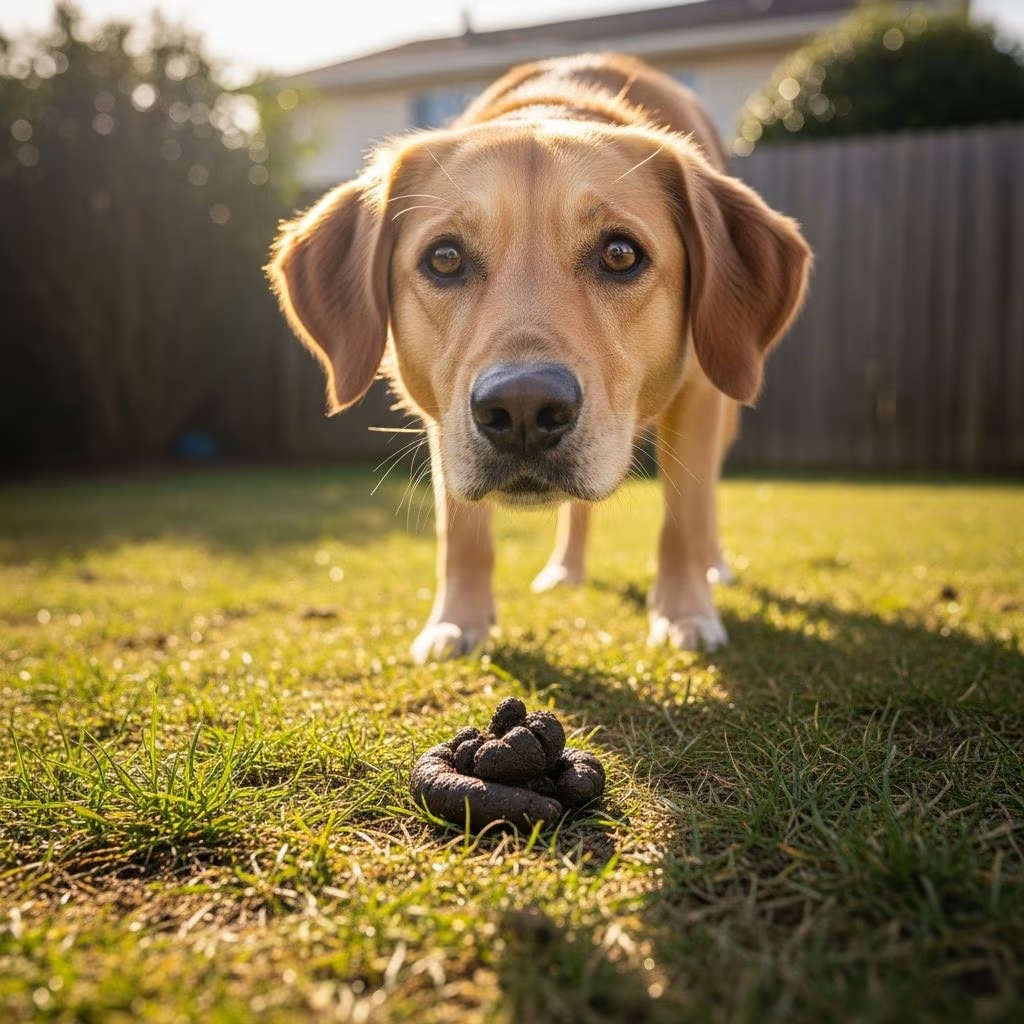
Coprophagia, the scientific term for feces consumption, affects up to 24% of dogs at least occasionally and 16% habitually, according to research from the University of California, Davis. This behavior, while repulsive to humans, stems from a mix of evolutionary instincts, nutritional gaps, medical issues, and psychological factors in canines.
The Evolutionary Roots of Feces Eating in Canines
Dogs descend from wolves, whose survival strategies included consuming fresh feces to maintain den hygiene and avoid parasites. Wolves and early canids ingested stool less than two days old to eliminate intestinal parasites from shared living spaces, a practice mirrored in modern dogs. Mother dogs exemplify this by eating puppy feces during the first three weeks of life, licking bottoms to stimulate elimination and prevent infections—a process called den sanitation.
This instinct persists in domesticated dogs, even without wild threats. Puppies often eat their own or littermates’ feces (autocoprophagia or allocoprophagia), and adults may target horse manure or goose droppings for their appealing texture and scent. A 2018 study in Veterinary Medicine and Science links this to inherited wolf behavior, suggesting it’s an innate predisposition rather than learned.
Nutritional Deficiencies Driving Poop Consumption
Undigested proteins, fats, and vitamins in feces can attract dogs, acting like a ‘secondhand food source.’ Modern pet diets, high in fats and proteins, may leave residues that dogs seek to reclaim, especially if their digestion is inefficient. Herbivore feces, such as from horses, provide antioxidants and semi-digested plant matter, mimicking vitamin supplements.
Vitamin B deficiencies, particularly thiamine, have been implicated since 1981 research showed fecal microbes synthesize these nutrients. Dogs with poor nutrient absorption—due to enzyme shortages or maldigestion—may turn to poop for undigested food particles, water, tissues, or beneficial gut microbes. Stray dogs in food-scarce areas consume human and animal waste for survival, highlighting this adaptive trait.
| Nutrient Type | Potential Source in Feces | Benefit to Dog |
|---|---|---|
| Vitamins (e.g., B vitamins) | Microbial synthesis | Energy metabolism support |
| Proteins/Fats | Undigested residues | Caloric supplementation |
| Antioxidants | Herbivore stool | Cellular protection |
| Gut Microbes | Fecal bacteria | Digestion aid, immunity |
Medical Conditions Linked to Coprophagia
Sudden onset of feces eating often signals health problems. Parasites steal nutrients, prompting consumption to recover losses or mimic maternal sanitation. Conditions like inflammatory bowel disease (IBD), exocrine pancreatic insufficiency (EPI), diabetes, urinary tract infections, and steroid-induced hunger increase risk.
- Enzyme Deficiencies: EPI prevents proper digestion, leaving appealing nutrients in stool.
- Diabetes/UTIs: Thirst drives urine drinking; similar logic applies to feces.
- Parasitic Infections: Whipworms or giardia deplete resources, triggering compensatory eating.
- Neurological Issues: Cognitive dysfunction in seniors may cause disinhibited behavior.
Owners should schedule vet exams, including fecal tests, if coprophagia persists.
Behavioral and Psychological Triggers
Beyond biology, environment plays a key role. Anxiety from harsh house-training creates a cycle: dogs eliminate, eat evidence to avoid punishment, then face scolding for the act. Boredom or attention-seeking leads to poop eating for dramatic reactions—ignore it to extinguish.
Exploratory mouthing, common in puppies, draws dogs to strong-scented feces. Mimicry of pack behaviors or under-stimulation in confined spaces exacerbates this. Stress, isolation, or compulsive disorders can manifest as habitual coprophagia.
Health Risks of Feces Consumption for Dogs
While instinctual, coprophagia exposes dogs to pathogens. Parasites like roundworms, hookworms, and giardia thrive in feces; bacteria (Salmonella, E. coli) cause gastrointestinal upset. Toxic exposures from treated lawns or medications in other animals’ stool pose dangers.
Frequent ingestion risks obesity from extra calories and dental issues from abrasive material. In multi-pet homes, cross-species feces (e.g., cat litter) heightens zoonotic disease transmission.
Proven Strategies to Prevent Coprophagia
Addressing coprophagia requires a multi-faceted approach. Start with a vet check to rule out medical causes, then adjust diet and training.
- Nutritional Optimization: Switch to highly digestible food; add probiotics or digestive enzymes. Multivitamins targeting B-vitamins may help, per older studies.
- Training Techniques: Use ‘leave it’ commands with positive reinforcement. Leash supervision post-meals prevents access.
- Deterrents: Commercial additives (For-Bid, Exact) make stool unpalatable; test pumpkin supplements or pineapple for natural repulsion.
- Environmental Management: Prompt cleanup, increase exercise to combat boredom, and provide mental stimulation like puzzle toys.
- Desensitization: Gradually expose to feces with commands, rewarding ignores to break attention cycles.
Consistency yields results in 80% of cases within weeks, per behavioral surveys.
Special Cases: Puppies, Seniors, and Multi-Pet Homes
Puppies outgrow coprophagia by 6-9 months with training; intervene early to prevent habits. Seniors may need cognitive support diets or vet-prescribed meds for disinhibition. In homes with cats or herbivores, secure litter boxes and manure piles.
FAQs on Dog Coprophagia
Is coprophagia normal in dogs?
Yes, it’s common (up to 24% of dogs), often instinctual, but persistent cases warrant investigation.
Does diet cause dogs to eat poop?
Imbalanced or poorly digestible diets contribute; improve with vet-recommended kibble.
How do I stop my dog from eating cat poop?
Block access, train ‘leave it,’ and use deterrents; cat feces are nutrient-rich to dogs.
Can coprophagia harm my dog?
Yes, risks include parasites and bacteria; monitor health closely.
When should I see a vet?
If sudden, frequent, or paired with weight loss, diarrhea, or lethargy.
Coprophagia, though perplexing, is manageable with patience and science-based interventions. Understanding its multifaceted causes empowers owners to foster healthier canine companions.
References
- WHY DO DOGS EAT POOP? — The Dish on Science, Stanford. Accessed 2026. https://thedishonscience.stanford.edu/articles/rvuid1mxx6u1wkdlk1o6u40xv1zfga
- Why Do Dogs Eat Poop? — PetMD. 2018. https://www.petmd.com/dog/behavior/why-do-dogs-eat-poop
- Why do Dogs Eat Their Poop? — Patton Veterinary Hospital. Accessed 2026. https://pattonvethospital.com/blog/1105264-why-do-dogs-eat-their-poop
- Why Dogs Eat Poop And How To Stop It — American Kennel Club. Accessed 2026. https://www.akc.org/expert-advice/health/why-dogs-eat-poop/
- Why Do Animals Eat Poop? (And Why It Might Be a Good Thing) — Smithsonian National Zoo. Accessed 2026. https://nationalzoo.si.edu/center-conservation-genomics/news/why-do-animals-eat-poop-and-why-it-might-be-good-thing
- Why Do Dogs Eat Poop? Unveiling the Science Behind This Peculiar Behavior — YEG Vet. Accessed 2026. https://www.yegvet.ca/why-do-dogs-eat-poop-unveiling-the-science-behind-this-peculiar-behavior/



