

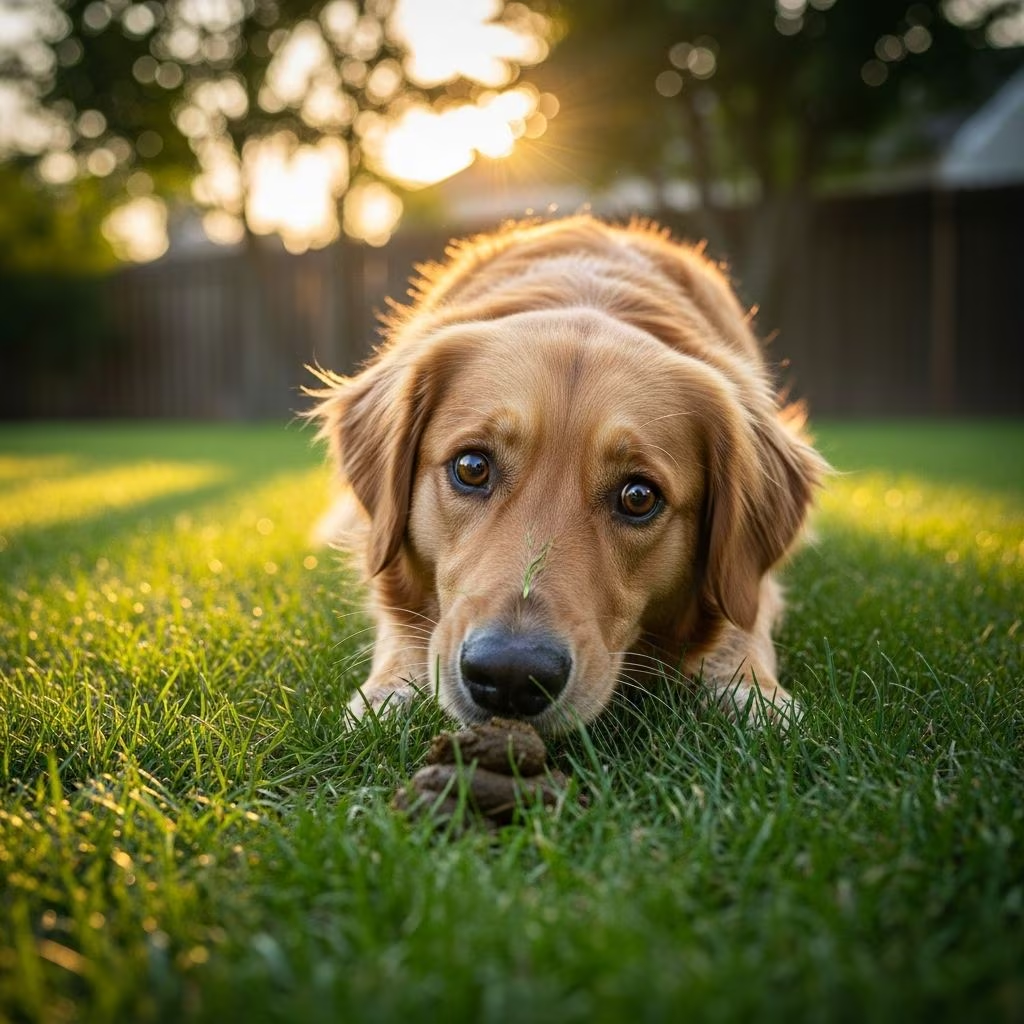
Many dog owners face the shocking sight of their pet consuming feces, a behavior known scientifically as coprophagia. This habit, while distasteful to humans, stems from a mix of evolutionary instincts, health issues, and environmental factors. Understanding these triggers is key to addressing it effectively.
The Science Behind Coprophagia
Coprophagia refers to the ingestion of feces, either a dog’s own (autocoprophagia) or from other animals (allocoprophagia). Research indicates it’s relatively common, with studies showing 16% of dogs engaging in it seriously and 24% doing so occasionally. This predisposition traces back to ancestral canids, where eating fresh feces protected dens from parasites.
In nature, wolves and wild dogs consume poop to maintain hygiene and avoid infections, a trait passed down to domestic dogs. Mother dogs exemplify this by eating puppy feces during the first few weeks to sanitize the den, preventing parasite transmission. Puppies often mimic this, learning it as normal before weaning.
Instinctual and Evolutionary Roots
From a survival standpoint, coprophagia served practical purposes. Nursing mothers in arid environments reclaim water from feces to offset lactation losses. Dogs may also target herbivore manure, like horse droppings, for antioxidants and undigested plant matter their systems can’t process directly.
This behavior persists in pets due to scavenging instincts. Food-motivated dogs, evolved from opportunistic eaters, view feces as a resource when hungry or underfed. A 2018 survey links it to wolf heritage, where fresh poop (under two days old) was consumed to eliminate den parasites.
Nutritional and Medical Triggers
Poor diet plays a significant role. Dogs on unbalanced meals, such as vegetarian diets lacking protein or fats, seek these from feces. Pancreatic enzyme deficiencies impair nutrient absorption, leaving vitamins and minerals in waste that dogs re-ingest.
| Nutrient Issue | Potential Cause | Effect on Coprophagia |
|---|---|---|
| Vitamin B deficiency (e.g., thiamine) | Low microbial activity in gut | Dogs eat poop for synthesized vitamins |
| Protein/fat shortage | Inappropriate diet | Craving leads to feces consumption |
| Enzyme lack | Pancreatic problems | Undigested nutrients attract re-eating |
Parasites exacerbate this by stealing nutrients, prompting dogs to forage in feces—ironically risking further infestation. Conditions like diabetes, inflammatory bowel disease, or medications increasing hunger (e.g., steroids) can trigger it. Sudden onset warrants a vet visit to rule out these issues.
Behavioral and Environmental Factors
Beyond biology, psychology drives coprophagia. Boredom in understimulated dogs leads to exploratory eating. Stress from isolation, new homes, or overcrowding prompts coping via feces ingestion.
- Attention-seeking: Dogs learn that eating poop elicits strong owner reactions, reinforcing the habit.
- Anxiety cycles: Harsh house-training punishment causes dogs to eat evidence, fearing scolding.
- Habitat issues: Poop near food/water bowls or in confined spaces encourages consumption.
Greedy eaters or those punished post-elimination are prone, turning a natural act into compulsion.
Health Risks of Poop Eating
While often harmless, coprophagia poses dangers. Feces harbor bacteria, parasites, and toxins, risking infections or gastrointestinal upset. Consuming medicated or diseased animal waste (e.g., cats, livestock) amplifies threats. Owners should monitor for vomiting, diarrhea, or lethargy signaling complications.
Diagnosing the Cause
Identify triggers through observation:
- Review diet: Ensure complete, balanced nutrition per AAFCO standards.
- Check history: Note onset age, frequency, and poop type preferred.
- Assess environment: Evaluate exercise, toys, and stress levels.
- Vet exam: Test for parasites, enzymes, and deficiencies.
Combine factors often interplay; a multi-approach resolves it best.
Proven Prevention Strategies
Stopping coprophagia requires consistency. Start with diet: Switch to high-quality food rich in digestible proteins. Supplements like B-vitamins or probiotics may help if deficient, but vet-approve first.
Training Techniques:
- Use “leave it” commands with positive reinforcement (treats/praise).
- Supervise walks; interrupt and redirect immediately.
- Ignore reactions to avoid rewarding attention-seeking.
Increase mental stimulation: Puzzle toys, training sessions, and daily exercise reduce boredom. Clean yards promptly to limit access. For mothers/puppies, this fades naturally post-weaning.
Breed and Age Considerations
Some breeds show higher tendencies due to genetics or size—e.g., smaller dogs in studies. Puppies outgrow it by 6-9 months with guidance, while seniors may need medical checks for age-related malabsorption.
When to Consult a Professional
If strategies fail after 2-4 weeks, or if accompanied by weight loss/scooting, seek veterinary advice. They may recommend deworming, diet trials, or behaviorists for anxiety.
FAQs
Is coprophagia normal in dogs?
Yes, it’s common (up to 24% of dogs), often instinctual, but persistent cases need addressing.
Why do dogs prefer certain poop?
Horse/goose feces offer novel nutrients; cat litter appeals due to high protein.
Can supplements stop it?
Vitamin B or enzymes help nutritional cases, but not behavioral ones—consult vet.
Does punishment work?
No, it worsens anxiety cycles; use positive methods.
Why do puppies eat poop?
Mimicking mothers for den cleanliness; usually stops with training.
References
- WHY DO DOGS EAT POOP? — The Dish on Science, Stanford. 2023-01-15. https://thedishonscience.stanford.edu/articles/rvuid1mxx6u1wkdlk1o6u40xv1zfga
- Why Do Dogs Eat Their Own Poop? — Brodie Animal Hospital. 2024-05-20. https://www.brodieanimalhospital.com/blog/why-do-dogs-eat-their-own-poop
- Why does my dog eat poop? — Kindness Animal Hospital of Tulsa. 2023-11-10. https://kindnessoftulsa.com/blog/why-does-my-dog-eat-poop/
- Why Do Dogs Eat Poop? — Crossroads Animal Hospital. 2024-02-28. https://www.xroadsanimalhospital.com/blog/why-do-dogs-eat-poop/
- Why Does My Dog Eat Poop? — American Kennel Club. 2024-08-15. https://www.akc.org/expert-advice/health/why-dogs-eat-poop/
- Why Do Dogs Eat Poop? — PetMD. 2024-03-12. https://www.petmd.com/dog/behavior/why-do-dogs-eat-poop
- The paradox of canine conspecific coprophagy — PMC – NIH (Peer-reviewed). 2018-05-29. https://pmc.ncbi.nlm.nih.gov/articles/PMC5980124/



