

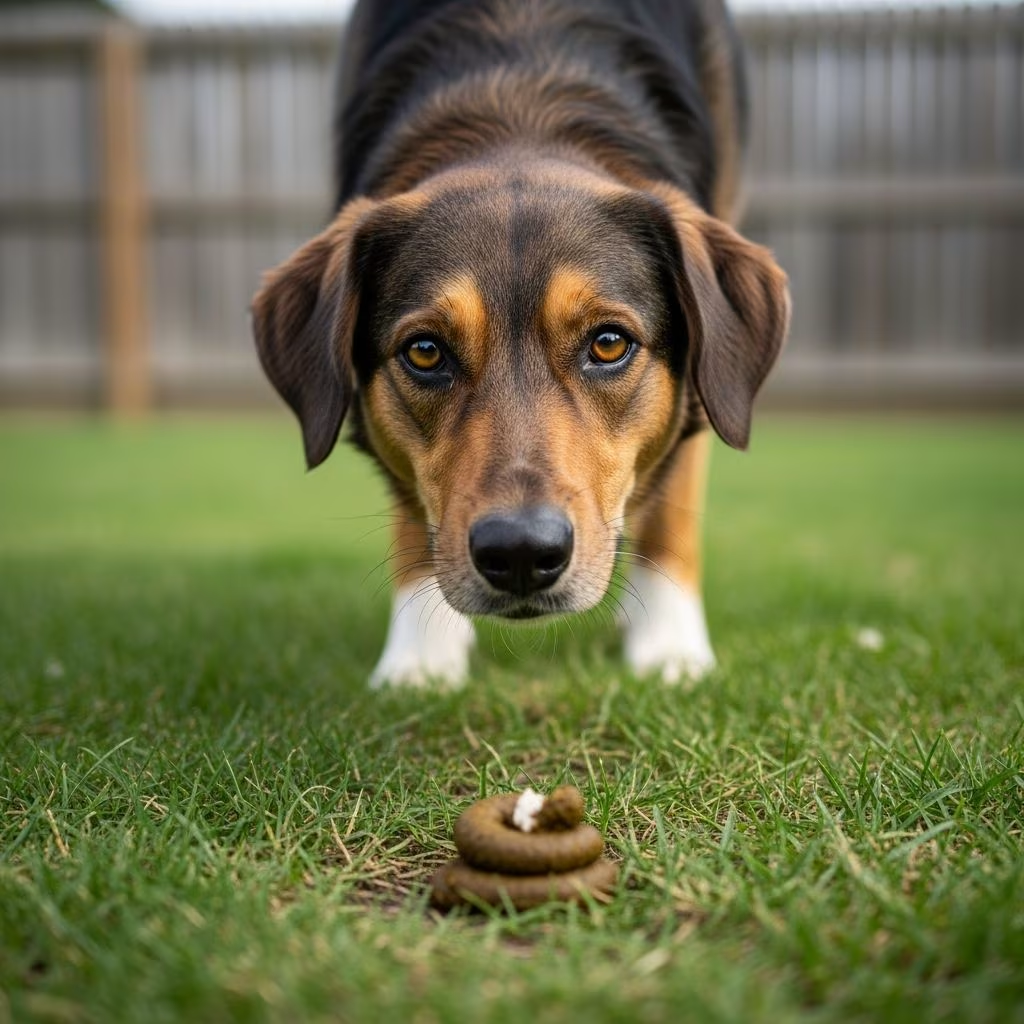
Dogs eating poop, known scientifically as coprophagia, is a widespread behavior that shocks many pet owners but stems from instinctual, medical, or environmental factors. While often harmless, it can expose dogs to parasites, bacteria, and toxins, making intervention essential for health and hygiene.
Understanding the Instinct Behind Poop Eating
Coprophagia traces back to wolves, dogs’ wild ancestors, who consumed feces during food shortages to extract residual nutrients or keep dens clean. Mother dogs eat puppies’ waste to maintain hygiene and hide scents from predators. This survival trait persists in domestic dogs, sometimes triggered by scent associations in confined spaces like kennels where elimination and eating areas overlap.
In modern settings, puppies explore the world orally, mistaking feces for treats. As they mature, most outgrow it, but 16-24% of dogs continue, per veterinary observations. Factors like boredom or attention-seeking amplify the habit, where owners’ shocked reactions inadvertently reinforce it.
Medical Reasons Driving Coprophagia
Health issues often underlie persistent poop eating. Nutritional gaps from poor diets, underfeeding, or malabsorption syndromes prompt dogs to seek undigested matter in feces. Digestive enzyme deficiencies hinder food breakdown, making stool appealing as a supplement.
Parasitic infestations, such as roundworms or hookworms, deplete nutrients, leading dogs—especially puppies—to consume poop in futile attempts to compensate. Endocrine disorders like diabetes, Cushing’s disease, hypothyroidism, or thyroid imbalances increase hunger, driving scavenging. Steroid medications can similarly boost appetite.
Gastrointestinal problems, including inflammatory bowel disease or exocrine pancreatic insufficiency, alter stool composition, attracting the dog. Senior dogs face heightened risks due to age-related declines in nutrient uptake or cognitive changes mimicking anxiety-driven eating.
- Nutrient deficiencies: Vitamin/mineral shortages or poor diet digestibility.
- Parasites: Worms leaching gut nutrients.
- Metabolic diseases: Diabetes, Cushing’s, thyroid issues.
- GI disorders: Enzyme lacks, malabsorption.
Behavioral Triggers for Feces Consumption
Beyond medicine, psychology plays a key role. Boredom in understimulated dogs leads to compulsive habits like poop eating. Anxiety or stress, from separation, punishment, or household changes, prompts stool consumption to self-soothe or conceal accidents.
Attention-seeking is common: dramatic owner responses reward the behavior. Puppies mimic littermates or mothers, embedding the habit early. Multi-dog homes see social copying, where one poop eater influences others.
Health Risks: Can Poop Make Dogs Sick?
While self-poisoning is rare due to immunity buildup, cross-species feces pose dangers. Ingesting contaminated stool spreads parasites like roundworms, hookworms, whipworms, or protozoa such as Giardia, causing diarrhea, vomiting, weight loss, and lethargy.
| Feces Source | Risks to Dogs | Severity |
|---|---|---|
| Own poop | Reinfection if parasitized; low otherwise | Low |
| Other dogs | Parasites (worms, Giardia), bacteria/viruses | Medium |
| Cat poop | Hookworms, roundworms, Giardia | Medium-High |
| Rabbit poop | Eimeria (passes harmlessly) | Low |
| Bird poop | Minimal; rare bacteria | Low |
| Raccoon poop | Baylisascaris (deadly roundworm) | High – Avoid! |
Bacterial/viral pathogens transmit via feces, risking gastroenteritis contagious to humans. Medications in donor stool, like ivermectin, can toxify sensitive dogs, causing nausea or worse. Even trace contaminants on paws spread illness weeks later.
Safe vs. Dangerous Poop Sources
Not all feces equally risk-laden. Rabbit droppings often appeal due to cecotropes—nutrient-rich—but Eimeria poses no threat, merely passing through. Bird droppings seldom harm, lacking compatible parasites.
Cat litter treats tempt with strong odors, but carry shared worms or Giardia. Unknown dog feces at parks risk infections. Raccoon scat is lethal, harboring Baylisascaris procyonis, with larvae migrating to the brain; even small amounts can kill.
Diagnosis: When to See a Vet
Sudden onset, especially with symptoms—lethargy, appetite loss, diarrhea, vomiting, weight loss—signals underlying issues. Vets perform fecal exams for parasites, bloodwork for metabolic diseases, and diet histories.
Routine deworming/flea prevention reduces risks, but persistent cases warrant behaviorist consults. Rule out medical causes first, as behavioral fixes fail otherwise.
Proven Prevention and Training Strategies
Immediate cleanup eliminates opportunity: scoop yards daily, leash walks, supervise parks. Diet tweaks help: high-quality, digestible food with probiotics/enzymes addresses deficiencies. Forage toys combat boredom, channeling instincts.
Training uses positive reinforcement:
- Command “leave it” with treats for compliance.
- Distract pre-snack with toys/games.
- Teach “drop it” for caught-in-act moments.
- Desensitize via controlled exposure, rewarding ignores.
Deterrents like motion sprinklers or bitter sprays on stool work short-term. Supplements (pineapple, meat tenderizers) altering taste lack evidence and risk GI upset—avoid. Consistency over weeks yields results; track progress.
For seniors/anxious dogs, pheromone diffusers or anxiety meds complement training.
FAQs on Dogs Eating Poop
Is coprophagia normal in puppies?
Yes, exploratory pups often sample feces but typically stop by 9 months with training and cleanup.
Does diet cause poop eating?
Imbalanced or low-quality diets contribute by leaving undigested nutrients in stool, attracting dogs.
Can I punish my dog for eating poop?
No—punishment increases anxiety, worsening the cycle. Use rewards for good behavior instead.
How long to stop the habit?
2-4 weeks with diligent training; medical fixes speed behavioral resolution.
Is it dangerous for humans?
Indirectly—kissing poop eaters risks zoonotics like Salmonella or parasites; enforce hygiene.
Long-Term Management for Multi-Pet Homes
In households with cats/rabbits, secure litter boxes and enclosures. Rotate play to prevent scavenging. Annual vet checkups monitor for subclinical issues fueling relapse.
References
- Can Dogs Get Sick from Eating Their Poop? — WagWalking. 2023. https://wagwalking.com/wellness/can-dogs-get-sick-from-eating-their-poop
- The Scoop on Dogs Eating Poop: Can Dogs Get Sick from Ingesting Stool from Other Species — Patton Veterinary Hospital. 2023. https://pattonvethospital.com/blog/121557-the-scoop-on-dogs-eating-poop-can-dogs-get-sick-from-ingesting-stool-from-other-species
- Why Do Dogs Eat Poop? — GoodRx Pet Health. 2024. https://www.goodrx.com/pet-health/dog/why-do-dogs-eat-poop
- Why Do Dogs Eat Their Own Poo? — Vetwest Veterinary Clinics. 2023. https://www.vetwest.com.au/pet-library/why-do-dogs-eat-their-own-poo/
- Why Do Dogs Eat Poop? — PetMD. 2024. https://www.petmd.com/dog/behavior/why-do-dogs-eat-poop



