

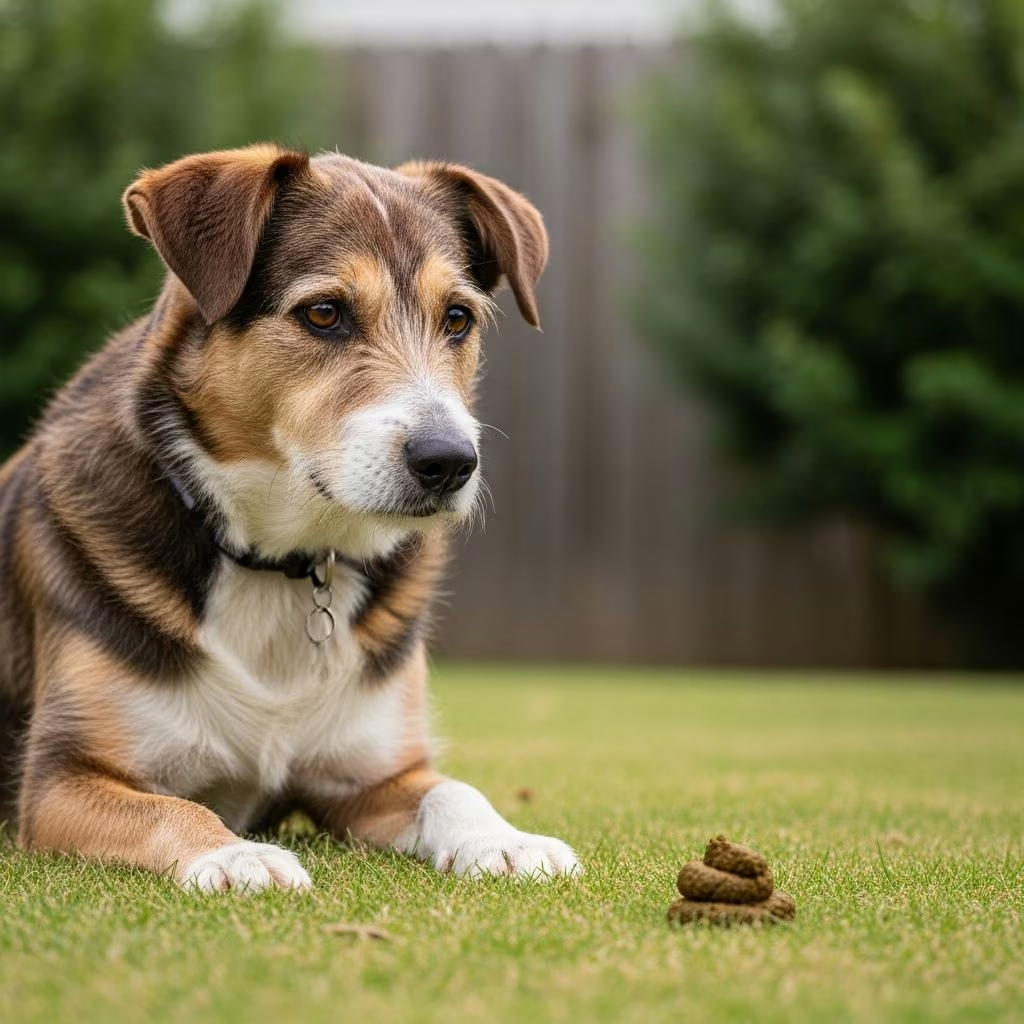
Why Dogs Eat Poop: A Complete Guide for Concerned Pet Parents
If your dog is eating poop, you are not alone—and you are not a bad pet parent. The behavior, called coprophagia, is more common than most people realize and can have several medical and behavioral explanations. Understanding why dogs eat poop is the first step toward keeping your dog healthy and breaking the habit safely.
This guide explains what coprophagia is, why it happens, the risks involved, when to call your veterinarian, and practical steps you can take to help your dog stop.
What Is Coprophagia?
Coprophagia is the medical term for eating feces—whether it is a dog’s own stool, the stool of another dog, or the feces of other animals such as cats, horses, or wildlife.
Coprophagia can be part of normal canine behavior in limited situations (such as a mother dog cleaning up after her puppies), but in most adult dogs it is considered undesirable and may signal an underlying issue.
Types of coprophagia
- Autocoprophagia: A dog eats their own stool.
- Conspecific coprophagia: A dog eats the stool of other dogs.
- Interspecies coprophagia: A dog eats the feces of other species (for example, cat, horse, rabbit, or wildlife poop).
While upsetting to observe, coprophagia is usually a symptom rather than a diagnosis. The goal is to understand why it is happening and address the root cause.
Is It Normal for Dogs to Eat Poop?
Coprophagia is relatively common and has been documented in both domestic dogs and wild or captive wolves as part of their scavenging behavior. Many dogs will try stool at least once in their lifetime.
When coprophagia can be “normal”
- Puppies exploring their world: Young dogs often investigate and sometimes eat stool out of curiosity or imitation of their mother.
- Mother dogs with puppies: For the first few weeks after whelping, mother dogs and wolves routinely eat their puppies’ feces to keep the den clean and reduce the scent that could attract predators.
In many puppies, the habit fades as they mature. However, if stool eating persists, increases, or appears in an adult dog, it is more likely linked to medical or behavioral causes that need attention.
Main Reasons Dogs Eat Poop
Most experts group the reasons dogs eat stool into two broad categories: medical (or nutritional) and behavioral.
| Category | Common Causes | Typical Clues |
|---|---|---|
| Medical / Nutritional | Malabsorption, parasites, enzyme deficiency, endocrine disease, underfeeding, unbalanced diet | Weight loss, increased appetite, changes in stool, other signs of illness |
| Behavioral | Anxiety, punishment history, boredom, confinement, curiosity, attention-seeking, ancestral scavenging | Occurs mainly in specific contexts (e.g., when unsupervised, in yard, around litter box) with otherwise normal health |
Medical and Nutritional Causes
Any condition that makes a dog hungrier, interferes with nutrient absorption, or alters the value of stool as a food source can contribute to coprophagia.
- Intestinal parasites: Worms and other parasites can compete for nutrients, leaving dogs hungrier and more likely to scavenge, including eating feces.
- Malabsorption and digestive issues: Conditions that impair absorption of nutrients from food can leave more undigested material in the stool, making it more appealing to dogs.
- Exocrine pancreatic insufficiency (EPI): In EPI, the pancreas does not produce enough digestive enzymes, so dogs may develop intense hunger and seek pre-digested material such as stool.
- Endocrine disorders: Diseases like diabetes and hypothyroidism can alter appetite and metabolism, sometimes increasing interest in unusual food sources.
- Unbalanced diet or underfeeding: Diets lacking key nutrients—or simply not enough calories—may push some dogs to seek additional sources of nutrients, including feces.
If your dog suddenly starts eating poop, especially with signs such as weight loss, increased thirst, increased urination, vomiting, diarrhea, or low energy, a veterinarian visit and diagnostic work-up are strongly recommended.
Behavioral and Emotional Causes
In many otherwise healthy adult dogs, coprophagia has a strong behavioral or emotional component.
- Stress, anxiety, or frustration: Research and clinical experience suggest stool eating can act as a coping mechanism or displacement behavior in anxious dogs.
- Harsh house-training or punishment: Dogs that have been punished for toileting indoors may eat their own stool to hide the evidence and avoid punishment.
- Attention-seeking: If a dog learns that eating poop reliably gets a strong reaction from their owner, the behavior may be reinforced by that attention—even if the reaction is negative.
- Boredom and lack of enrichment: Dogs left alone in yards, kennels, or confined spaces with little mental stimulation are more likely to eat stool.
- Isolation or restrictive confinement: Studies have found higher rates of coprophagia in dogs kept alone in kennels or basements compared with those living closely with family members.
- Scavenging instinct and ancestral behavior: Before domestication, feces could provide protein, fat, and other nutrients when food was scarce. Eating very fresh stool may also have evolved as a way to reduce parasite risk in communal den areas.
Genetic and breed tendencies
Some research suggests that certain breeds, particularly retrievers, are more likely to eat feces, possibly due to genetic traits that increase food motivation. However, coprophagia can occur in any breed or mix.
Is It Dangerous for Dogs to Eat Poop?
Coprophagia is not just unpleasant for humans—it can create genuine health risks for dogs, especially when they eat the feces of other animals.
Health risks to your dog
- Intestinal parasites: Feces can carry roundworms, hookworms, whipworms, and other parasites that easily infect dogs when ingested.
- Viruses and bacteria: Pathogens such as parvovirus, Salmonella, and Campylobacter may be transmitted via fecal-oral routes, especially in environments contaminated with infected stool.
- Dietary upset: Eating feces can lead to vomiting, diarrhea, gas, or changes in stool consistency.
- Foreign material: Feces from other animals, particularly cats, may contain litter or other non-digestible materials that can cause gastrointestinal obstruction or impaction.
Risks to people and other pets
- Parasite transmission: Some parasites and pathogens acquired from feces can be spread to humans (zoonotic infections), especially children or immunocompromised individuals.
- Contamination of the home: Dogs that eat stool and then lick people or surfaces may increase the risk of environmental contamination with harmful microbes.
Because of these risks, coprophagia should be taken seriously, even when a dog appears otherwise healthy.
When to Call Your Veterinarian
Any dog that starts eating poop regularly should be evaluated by a veterinarian, but certain signs make a vet visit especially urgent.
Red flags that warrant prompt veterinary care
- Sudden onset of stool eating in an adult dog
- Weight loss or poor body condition
- Increased appetite despite regular feeding
- Increased thirst or urination
- Vomiting, diarrhea, or very soft stool
- Lethargy or behavior changes
- Worms or abnormal material visible in stool
Your veterinarian may recommend fecal testing for parasites, blood work, urinalysis, dietary evaluation, and in some cases more advanced diagnostics to screen for malabsorption, pancreatic disease, or endocrine disorders.
How to Help Your Dog Stop Eating Poop
Most dogs need a combination of medical evaluation, management strategies, and behavior modification to successfully reduce or eliminate coprophagia.
1. Rule Out Medical Problems First
Before focusing on training alone, work with your veterinarian to identify and treat any underlying medical or nutritional issues.
- Bring a fresh stool sample for parasite testing and discuss deworming if indicated.
- Ask about blood work or other tests if your dog shows signs of systemic illness.
- Review your dog’s diet to ensure it is complete, balanced, and appropriate for their life stage and health status.
2. Manage the Environment
Management is often the most immediately effective step—if your dog cannot access stool, they cannot eat it.
- Pick up poop promptly: In your yard or on walks, clean up immediately so your dog never gets the chance to snack.
- Control access to litter boxes: Place litter boxes behind baby gates, in covered enclosures, or in rooms only cats can access to prevent dogs from eating cat feces and litter.
- Supervise outdoor time: Watch your dog closely in parks, on trails, and in other areas with wildlife or other pet feces.
- Use a leash or long line: On walks, a leash gives you better control and allows you to redirect your dog quickly.
3. Use Positive Training and Redirection
Training helps change your dog’s default response when they encounter stool.
- Teach a reliable “leave it”: Practice with low-value items indoors, then progress gradually to outdoor distractions. Reward heavily when your dog chooses to walk away.
- Reinforce alternate behaviors: Ask for a sit, eye contact, or hand target when your dog notices stool, then reward with treats or play.
- Avoid punishment: Scolding, yelling, or physical corrections can increase anxiety and, in some dogs, actually worsen coprophagia over time.
4. Reduce Stress and Boredom
For many dogs, addressing emotional needs is as important as controlling access to stool.
- Increase physical exercise: Appropriate daily exercise can reduce stress and restless energy.
- Add mental enrichment: Use food puzzles, sniffing games, training sessions, or safe chew toys to keep your dog engaged.
- Improve social interaction: Dogs kept in isolation or restrictive confinement benefit from more regular, positive time with their humans.
5. Nutrition and Feeding Strategies
After medical conditions are ruled out or treated, some dogs benefit from adjustments to their feeding routine.
- Ensure adequate calories: Verify with your veterinarian that your dog is getting enough food for their size, age, and activity level.
- Stick to a consistent schedule: Regular mealtimes can help reduce scavenging behavior in some dogs.
- Discuss supplements with your vet: In specific medical cases (e.g., enzyme deficiencies), your veterinarian may recommend targeted supplements.
Frequently Asked Questions (FAQs)
Q: Is it common for dogs to eat poop?
A: Yes. Studies and clinical experience indicate that stool eating is relatively common in dogs and is considered a form of scavenging behavior, although it is still undesirable for most households.
Q: Will my puppy grow out of eating poop?
A: Many puppies who eat stool out of curiosity or imitation of their mother eventually grow out of the behavior, especially with good management and training. If the habit continues or worsens, or if there are other signs of illness, your veterinarian should be consulted.
Q: Can dogs get sick from eating poop?
A: Yes. Dogs can pick up intestinal parasites, bacteria, and viruses from feces, and may also suffer digestive upset or blockages if non-digestible material is present (such as cat litter).
Q: Why does my dog only eat cat poop?
A: Cat feces are often high in protein and fat because cats are obligate carnivores, making their stool particularly attractive to some dogs. Cat litter and the potential for parasites or pathogens make this habit especially concerning, so limiting access to litter boxes is important.
Q: Should I punish my dog for eating poop?
A: No. Punishment can increase anxiety, damage the bond with your dog, and may even encourage stool eating in some cases as dogs attempt to hide evidence of elimination. Positive reinforcement, management, and veterinary guidance are safer and more effective approaches.
Q: When should I see a vet about my dog’s poop-eating habits?
A: You should see a veterinarian if coprophagia suddenly appears in an adult dog, becomes frequent or obsessive, or is accompanied by weight loss, increased thirst or urination, vomiting, diarrhea, lethargy, or any other signs of illness.
References
- The paradox of canine conspecific coprophagy — Boze B, Udell MAR, et al. 2018-05-16. https://pmc.ncbi.nlm.nih.gov/articles/PMC5980124/
- Feasting on Feces: Why Do Dogs Eat Poop? — AnimalBiome. 2022-03-10. https://www.animalbiome.com/blogs/dog/feasting-on-feces-why-do-dogs-eat-poop
- Why Dogs Eat Poop — Diamond Pet Foods. 2020-08-05. https://www.diamondpet.com/blog/health/safety/dogs-eat-poop/
- Why Do Dogs Eat Poop? — Purina PetCare. 2023-04-12. https://www.purina.com/articles/dog/behavior/understanding-dogs/why-do-dogs-eat-poop
- Why Does My Dog Eat Cat Poop? Reasons and How To Stop It — Kinship. 2023-06-01. https://www.kinship.com/dog-behavior/why-does-dog-eat-cat-poop



