Dogs Eating Non-Food Items: Proven Strategies To Stop Pica
Discover the hidden reasons behind your dog's urge to eat socks, rocks, and more, plus expert strategies to keep them safe and healthy.
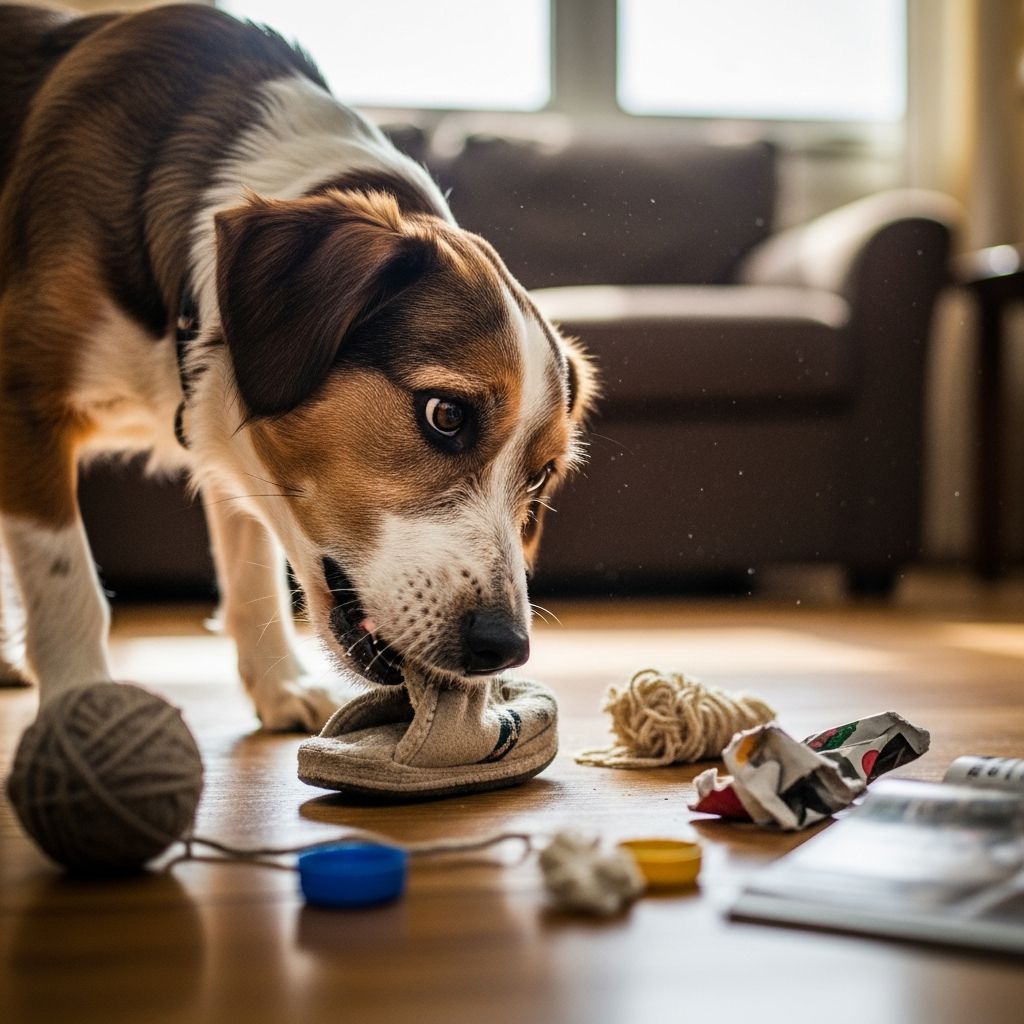
Why Dogs Devour Non-Food Items
Dogs often exhibit a baffling habit of consuming objects that clearly aren’t food, such as socks, rocks, dirt, or plastic toys. This behavior, known as pica, stems from a mix of instinctual drives, environmental factors, and potential health issues, posing serious risks to their well-being.
Defining Pica: The Compulsive Craving for the Inedible
Pica represents a persistent pattern where dogs ingest non-nutritive substances, distinguishing it from casual mouthing or exploratory chewing. Unlike puppies simply teething or tasting their surroundings, dogs with pica actively seek out and swallow these items repeatedly. This condition affects dogs of all ages but is particularly noted in certain breeds and life stages, driven by underlying compulsions rather than mere curiosity.
Recognizing pica early is crucial, as it can signal deeper problems. Owners might notice their dog fixated on fabrics, soil, or household debris, often leading to immediate health concerns or chronic issues if unaddressed.
Primary Triggers Behind This Unusual Appetite
Several interconnected factors provoke dogs to eat inappropriate items. Understanding these helps in tailoring effective interventions.
Nutritional Shortfalls and Dietary Imbalances
A key driver is the body’s signal for missing nutrients. Dogs deficient in iron or other minerals may instinctively consume clay, dirt, or grass to compensate, a behavior rooted in survival mechanisms. Incomplete diets, especially in home-fed animals, exacerbate this, prompting ingestion of earth or plant matter believed to supply essential elements.
- Iron deficiency: Leads to geophagia, or dirt-eating.
- Protein or fiber gaps: Results in fabric or grass consumption.
- Overall malnutrition: Common in underfed or poorly formulated kibble scenarios.
Veterinarians recommend blood tests to confirm deficiencies, followed by dietary adjustments using high-quality, balanced commercial foods.
Emotional and Psychological Contributors
Stress, anxiety, and boredom frequently manifest as destructive eating. Dogs left alone for long periods or facing changes like new homes may chew and swallow items as self-soothing. Separation anxiety, in particular, correlates with fabric ingestion, as items like socks carry familiar human scents.
Attention-seeking plays a role too; even reprimands reinforce the cycle, as any interaction rewards the behavior. Puppies, in their exploratory phase, amplify this through teething, but persistent cases indicate emotional distress.
Age-Specific Patterns
Puppies mouth everything to learn, often progressing to swallowing feces or litter box contents, risking parasites. Seniors, facing mobility limits, develop pica from frustration or cognitive decline, targeting dirt or paper.
| Life Stage | Common Items Eaten | Likely Cause |
|---|---|---|
| Puppies | Shoes, toys, feces | Exploration, teething |
| Adults | Socks, plastic, rocks | Stress, pica disorder |
| Seniors | Dirt, fabric, plants | Anxiety, medical issues |
Medical and Pharmacological Influences
Underlying illnesses like gastrointestinal disorders, diabetes, or infections can trigger excessive hunger or nausea relief through non-food ingestion. Medications such as steroids or anti-seizure drugs heighten appetite, worsening the habit. Parasites or pain from dental issues also contribute, making veterinary evaluation essential.
The Hidden Dangers of Ingesting the Wrong Things
Beyond oddity, this habit endangers dogs profoundly. Swallowed objects cause multifaceted harm.
- Blockages: Fabrics or toys obstruct intestines, necessitating surgery.
- Choking: Small items lodge in airways, a life-threatening emergency.
- Toxicity: Chemicals on plastics or plants lead to poisoning.
- Dental trauma: Hard substances fracture teeth, inviting infections.
- Digestive chaos: Vomiting, diarrhea, and lethargy follow repeated episodes.
Symptoms demanding urgent care include persistent vomiting, abdominal bloating, bloody stools, or sudden weakness. Delaying action risks perforation or peritonitis.
Diagnosing the Root Cause Effectively
Vets start with a thorough history, noting behavior onset, diet, and environment. Physical exams check for oral injuries or pain, while bloodwork screens for deficiencies or organ dysfunction. Imaging like X-rays or ultrasounds reveal ingested masses. Behavioral assessments differentiate pica from normal scavenging.
For seniors, cognitive dysfunction screening is vital. Ruling out parasites via fecal tests completes the diagnostic picture.
Proven Strategies to Curb the Behavior
Intervention combines medical treatment, environmental tweaks, and training. Tailor approaches to the cause.
Environmental and Lifestyle Modifications
Enrich daily routines with exercise, puzzle toys, and chew alternatives to combat boredom. Confine access to tempting areas using baby gates or crates. During walks, leashes or muzzles prevent scavenging.
Training Techniques That Work
Positive reinforcement shines: reward ignoring non-food items with treats and praise. Teach ‘leave it’ commands consistently. Professional trainers address anxiety-driven cases.
- Identify triggers through observation.
- Offer high-value chews like bully sticks.
- Practice short, frequent sessions daily.
- Monitor progress and adjust rewards.
Nutritional and Medical Remedies
Switch to vet-approved diets fortifying key nutrients. Medications manage severe anxiety or compulsive disorders. Treat underlying conditions promptly to eliminate pica triggers.
FAQs: Common Questions Answered
Is pica always a sign of illness?
No, but persistent cases warrant vet checks for nutritional or health issues.
Can puppies outgrow eating everything?
Most do with training, but monitor for pica development.
What if my senior dog starts this suddenly?
Seek immediate vet care for potential medical causes like diabetes.
Are certain breeds more prone?
Labradors and Bulldogs show higher tendencies, but any dog can develop it.
How do I prevent walkside eating?
Use a basket muzzle and ‘heel’ training for control.
Long-Term Outlook and Owner Vigilance
With prompt action, most dogs improve significantly. Ongoing supervision, routine vet visits, and mental stimulation sustain gains. Track behaviors in a journal to spot patterns early. Responsible ownership transforms risky habits into healthy routines, ensuring your dog’s joyful, safe life.
References
- Understanding Why Dogs Eat Things That Aren’t Food — Houndsy. 2023. https://www.houndsy.com/blogs/modern-tails/understanding-why-dogs-eat-things-that-arent-food-a-comprehensive-guide
- Why does my dog eat everything? — Pacific Santa Cruz Vet. 2024-10-15. https://www.pacificsantacruzvet.com/site/blog/2024/10/15/dog-eat-everything
- Why do dogs eat everything? — PDSA. 2023. https://www.pdsa.org.uk/what-we-do/blog/why-do-dogs-eat-everything
- Why Senior Dogs Develop a Taste for Non-food Items — East Texas Pet Emergency. 2023. https://www.easttexaspetemergency.com/blog/why-senior-dogs-develop-a-taste-for-non-food-items
- Pica in Dogs: Causes, Diagnosis, Treatment — Best Friends Animal Society. 2023. https://bestfriends.org/pet-care-resources/pica-dogs-causes-diagnosis-treatment
- Pica in Dogs — PetMD. 2023. https://www.petmd.com/dog/conditions/behavioral/pica-dogs
Similar Articles






Read full bio of medha deb