

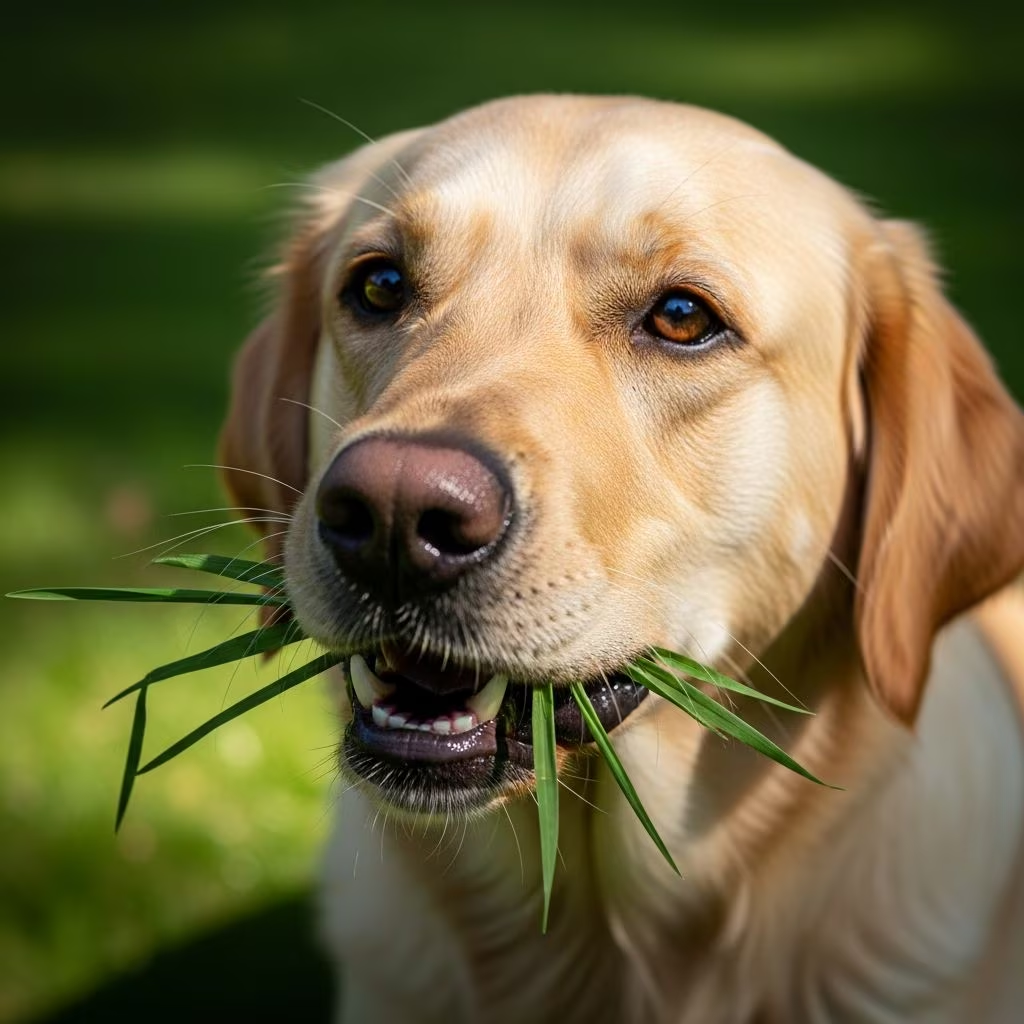
Dogs frequently nibble on grass, a behavior observed in both household pets and their wild relatives. This habit sparks curiosity among owners, as it raises questions about underlying health issues or natural instincts. While often harmless, excessive grass consumption paired with vomiting warrants attention to rule out problems.
The Evolutionary Roots of Grass Consumption
Grass eating traces back to dogs’ wolf ancestors, where plant material appeared in 2-10% of stomach contents among wild canids like wolves, foxes, and coyotes. Studies of wolf scat reveal plant remains in 11-47% of samples, suggesting an inherited scavenging trait rather than strict carnivory.
Domestic dogs, evolved alongside humans, retain this instinct despite commercial diets. Research indicates grass passes largely undigested through their systems, implying purposes beyond nutrition, such as purging parasites—a theory supported by higher rates in parasite-prone puppies.
Debunking the Upset Stomach Myth
A prevalent belief holds that dogs eat grass to self-medicate nausea, with vomiting following. However, surveys of over 1,500 dog owners show only 8% noted illness beforehand, and 22% reported vomiting afterward. Veterinary students’ observations align, with nearly all dogs eating grass without prior sickness or consistent regurgitation.
This challenges the ‘chicken or egg’ question: does grass induce vomiting, or does nausea prompt grazing? Evidence leans toward the former in rare cases, but most instances occur in healthy, hungry dogs, peaking before meals or early in the day.
- Key Study Insight: In a 2008 analysis, 68% of dogs grazed regularly, but only 22% vomited, indicating no strong link to illness.
- Alternative View: Grass may tickle the gut, aiding expulsion of irritants like parasites, not just for nausea.
Nutritional and Digestive Motivations
Dogs require dietary fiber for smooth digestion and stool passage. Grass provides roughage, potentially compensating for deficiencies in processed foods. A case of a Miniature Poodle resolved grass eating and vomiting after switching to a high-fiber diet, highlighting fiber’s role.
Modern dogs digest some carbohydrates from human coevolution, but grass cellulose remains mostly intact, acting as a laxative rather than a nutrient source. Theories suggest it supplements enzymes or minerals absent in kibble.
| Potential Nutrient | Role in Digestion | Evidence Level |
|---|---|---|
| Fiber (Cellulose) | Aids stool movement, prevents constipation | High (Case studies, wolf data) |
| Enzymes/Minerals | Supports gut health | Moderate (Theoretical) |
| Carbohydrates | Limited digestion possible | Low (Evolutionary adaptation) |
Behavioral Triggers: Boredom and Stress
Beyond biology, environment plays a key role. Bored or understimulated dogs turn to grass for entertainment, especially high-energy youngsters. This can habituate into routine, mimicking foraging.
Anxiety or loneliness amplifies the behavior, akin to human nail-biting. Reduced owner interaction correlates with increased grazing, sometimes as attention-seeking—owners’ reactions reinforce it.
- Energetic pups without exercise outlets.
- Anxious dogs suppressing other impulses.
- Lonely pets craving interaction.
Health Risks and When to Act
Occasional nibbling poses little threat, but moderation matters. Hazards include:
- Toxins: Pesticides, herbicides, or fertilizers on lawns can poison dogs.
- Parasites/Bacteria: Fecal contaminants harbor worms, viruses, or pathogens.
- Obstructions: Excessive ingestion, especially with indigestibles, risks blockages.
- GI Issues: Persistent vomiting signals reflux, IBD, or pancreatitis—consult a vet.
Monitor for urgency in eating, frequent vomiting, lethargy, diarrhea, or weight loss. Younger dogs face higher parasite risks, explaining their propensity.
Management Strategies for Pet Owners
Address root causes proactively:
- Enrich Environment: Increase walks, toys, and training to combat boredom.
- Boost Fiber: Add vet-approved supplements or high-fiber foods.
- Safe Grazing: Grow chemical-free wheatgrass or catnip alternatives indoors.
- Diet Review: Ensure balanced nutrition; transition gradually if changing foods.
- Vet Check: Rule out deficiencies or illnesses via fecal tests and exams.
Studies show hunger influences grazing—regular feeding schedules reduce it.
FAQs on Dogs and Grass Eating
Is it normal for dogs to eat grass every day?
Yes, for most dogs, it’s a benign habit linked to instinct or enjoyment, not illness.
Should I stop my dog from eating grass?
Not unless excessive or paired with symptoms; focus on safe lawns and underlying triggers.
Does grass help with dog constipation?
It can provide roughage, but vet-recommended fiber sources are safer and more effective.
Why do puppies eat more grass than adults?
Higher parasite exposure and energy levels drive this in young dogs.
Can grass eating indicate pica?
Rarely; pica involves non-food cravings due to disorders, unlike typical grazing.
Comparative Behaviors Across Species
Cats exhibit similar patterns, possibly for fiber or parasite control. Wild felids show plant matter in 2-74% of scats, mirroring canids.
| Behavior | Dogs | Cats | Wolves |
|---|---|---|---|
| Grass Frequency | Common (68% regular) | Common | 11-47% scats |
| Vomiting Rate | 22% | Variable | Low |
| Main Driver | Instinct/Boredom | Fiber/Parasites | Scavenging |
Understanding these patterns promotes better pet care.
References
- Why Do Dogs and Cats Eat Grass? — Only Natural Pet. 2023. https://www.onlynaturalpet.com/blogs/holistic-healthcare-library/why-do-dogs-and-cats-eat-grass
- Why Dogs Eat Grass — Partners Animal Hospital West Loop. 2024. https://partnersvetwl.com/dogs-eat-grass/
- Why Dogs Eat Grass — VCA Animal Hospitals. 2023. https://vcahospitals.com/know-your-pet/why-do-dogs-eat-grass
- Why Do Dogs Eat Grass? — PetMD. 2024-01-15. https://www.petmd.com/dog/behavior/why-do-dogs-eat-grass
- The strange reasons your dog eats grass (and poop) — BBC Science Focus. 2023. https://www.sciencefocus.com/nature/why-do-dogs-eat-grass-and-poop



