

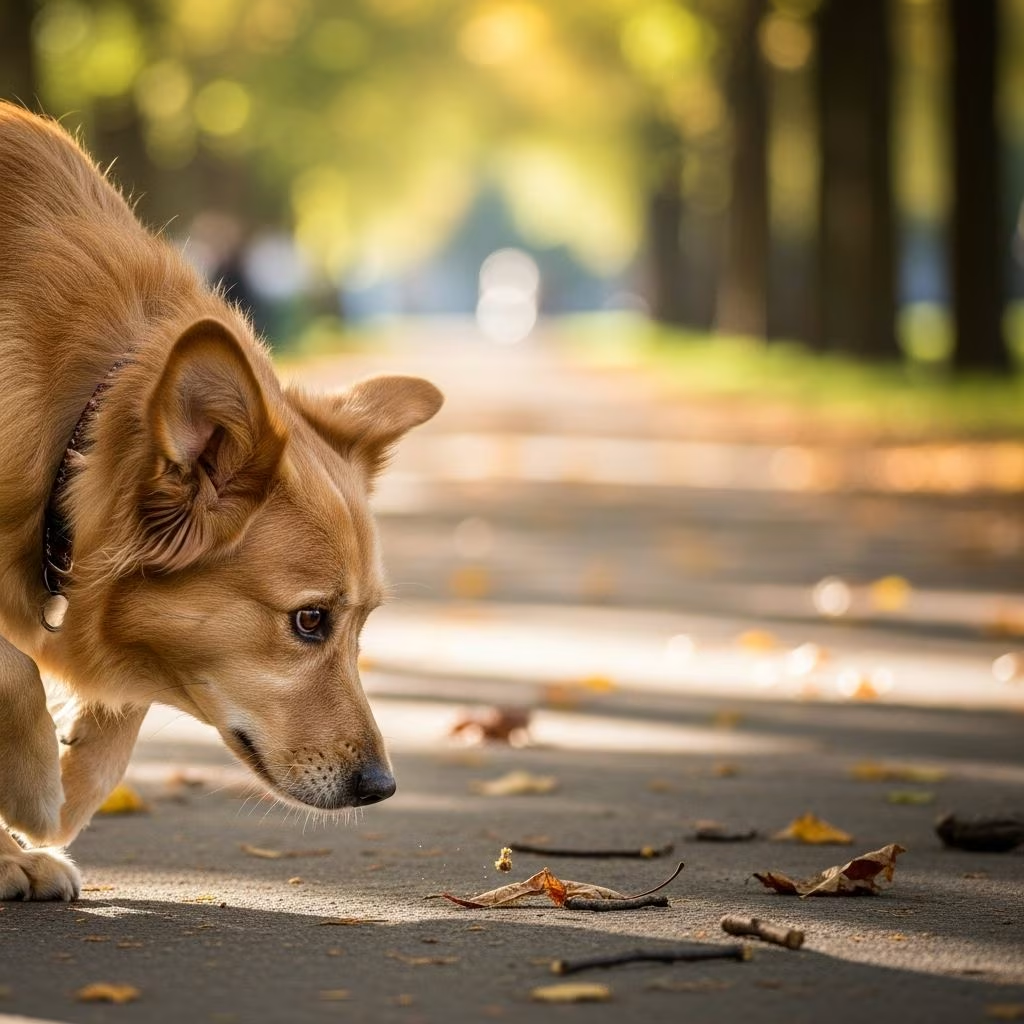
Dogs often snatch up random items like dirt, trash, or sticks during walks due to innate exploratory instincts, potential medical conditions such as pica, or behavioral factors including boredom and anxiety. Understanding these drivers allows owners to implement targeted training and management strategies for safer strolls.
Unraveling the Instinctive Drive to Explore
Dogs interact with their environment primarily through their mouths, a trait rooted in their evolutionary history as scavengers. This oral exploration leads them to sample anything intriguing, from discarded food to non-edibles like rocks or feces, especially during the heightened stimulation of outdoor walks.
Puppies exhibit this behavior most prominently as they learn about the world, but many adults retain the habit. While some outgrow it naturally, persistent scavenging poses risks like digestive blockages, toxicity, or infections, necessitating proactive intervention.
Medical Conditions Fueling Scavenging
Beyond instincts, compulsive eating of non-food items often signals pica, a disorder where dogs ingest inedible objects such as socks, soil, or plastics. Pica may stem from nutritional deficiencies, gastrointestinal issues, or endocrine disorders like diabetes and Cushing’s disease.
- Nutritional gaps: Diets lacking essential nutrients or calories can prompt dogs to seek them in unusual sources like dirt or grass.
- Parasitic infections: Worms or protozoa may increase appetite or cause malabsorption, leading to indiscriminate eating.
- Hormonal imbalances: Conditions such as thyroid dysfunction or medication side effects heighten hunger.
- Diabetes or enzyme deficiencies: These impair nutrient uptake, driving compensatory scavenging.
Owners noticing sudden onset or obsession with specific items should consult a veterinarian for bloodwork, fecal exams, or dietary adjustments to rule out underlying health problems.
Behavioral and Environmental Triggers
Non-medical causes frequently include psychological factors. Boredom during monotonous walks prompts dogs to self-entertain by foraging. Anxiety, isolation, or attention-seeking can manifest as scavenging, particularly in under-exercised or confined pets.
| Trigger | Description | Solutions |
|---|---|---|
| Boredom | Lack of mental stimulation leads to random munching. | Incorporate games, scent work, or varied routes. |
| Anxiety/Stress | Fear of noises or separation fuels impulsive eating. | Desensitization training or calming aids. |
| Attention-Seeking | Dog learns scavenging elicits owner reaction. | Ignore behavior; reward calm focus. |
| Puppy Habits | Carried over from exploratory teething phase. | Consistent reinforcement of commands. |
Environmental management, like cleaning yards of temptations, reduces opportunities for the behavior.
Essential Training Commands for Walk Success
Core to curbing scavenging are reliable “leave it” and “drop it” cues. These prevent lunging and promote immediate release of found items.
Step-by-Step “Leave It” Training
- Hold a low-value item in one hand and high-value treat in the other, hidden.
- Present the item; say “leave it” as dog shows interest.
- Reward with treat only when dog turns away without touching.
- Progress to dropping items on the floor, then outdoors with distractions.
- Practice daily in short sessions for muscle memory.
For “drop it,” allow brief chewing on a toy, then offer a superior treat upon command compliance.
Building Focus and Engagement
Teach “watch me” by holding a treat near your eyes and rewarding eye contact. On walks, use treats to redirect attention preemptively. Carry varied rewards to maintain motivation amid street temptations.
Increase walk variety with fetch games, heel training, or obstacle navigation to combat boredom and strengthen your bond.
Safety Tools and Management Techniques
While training builds long-term compliance, immediate safety requires tools like basket muzzles, which allow panting and drinking while blocking ingestion. Properly fitted muzzles prevent accidents without causing distress.
- Gradually acclimate dog to muzzle with positive associations like treats.
- Use short-leash walking to maintain control.
- Avoid off-leash areas until behavior improves.
For severe cases tied to anxiety, veterinarians may prescribe anti-anxiety medications alongside behavior modification.
Enhancing Daily Routine for Better Behavior
Adequate exercise and enrichment prevent scavenging. Aim for 30-60 minutes of daily physical activity plus mental puzzles like food-dispensing toys.
Balanced nutrition from complete diets reduces pica risks. Feed age-appropriate kibble or wet food meeting AAFCO standards, avoiding table scraps that encourage begging.
Recognizing When to Seek Professional Help
If training fails or symptoms like weight loss, vomiting, or lethargy appear, schedule a vet visit. Persistent pica warrants diagnostics to exclude serious illnesses. Certified trainers or behaviorists offer tailored plans for stubborn cases.
FAQs
Is it normal for my puppy to eat everything on walks?
Yes, puppies explore orally, but train early to prevent hazards. Many improve with maturity.
Can diet changes stop my dog from scavenging?
Possibly, if deficiencies contribute; vet-recommended switches often help pica cases.
How long does training take to work?
Weeks to months with consistency; combine with management for quick safety.
Is muzzling cruel?
No, when introduced positively; it’s a welfare tool for high-risk dogs.
What if my adult dog suddenly starts this?
Check for health issues first, as it may indicate illness or stress.
Long-Term Strategies for Scavenger-Free Walks
Sustainable prevention blends training, health monitoring, and lifestyle tweaks. Regular vet checkups catch issues early, while ongoing enrichment keeps dogs mentally satisfied. Celebrate progress to reinforce good habits, turning walks into joyful, risk-free adventures.
References
- Why Does My Dog Eat Everything on Walks? — Hill’s Pet Nutrition. 2023. https://www.hillspet.com/dog-care/behavior-appearance/my-dog-eats-everything-on-walks
- My dog eats everything off the ground! Why? — Carolina Veterinary Specialists. 2022-02-15. https://www.rock-hill.carolinavet.com/site/blog/2022/02/15/dog-eats-everything
- Why Does My Dog Eat Everything? — NW Austin Veterinary Center. 2024-04-26. https://www.nwaustinveterinarycenter.com/site/blog/2024/04/26/dog-eat-everything
- Help, My Dog Eats Everything off the Ground! — Rancho Park Veterinary Clinic. 2022-06-30. https://www.ranchoparkveterinaryclinic.com/site/blog/2022/06/30/dog-eats-everything
- How To Stop A Dog From Eating Everything He Sees — The Labrador Site. N/A. https://www.thelabradorsite.com/stop-dog-eating-everything/
- How to Keep a Dog From Eating Everything He Sees — Whole Dog Journal. N/A. https://www.whole-dog-journal.com/food/how-to-keep-a-dog-from-eating-everything-he-sees/



