
Why Dogs Eat Cat Poop: Causes and Fixes
Discover why your dog raids the litter box, the hidden health dangers involved, and proven strategies to stop this gross habit for good.
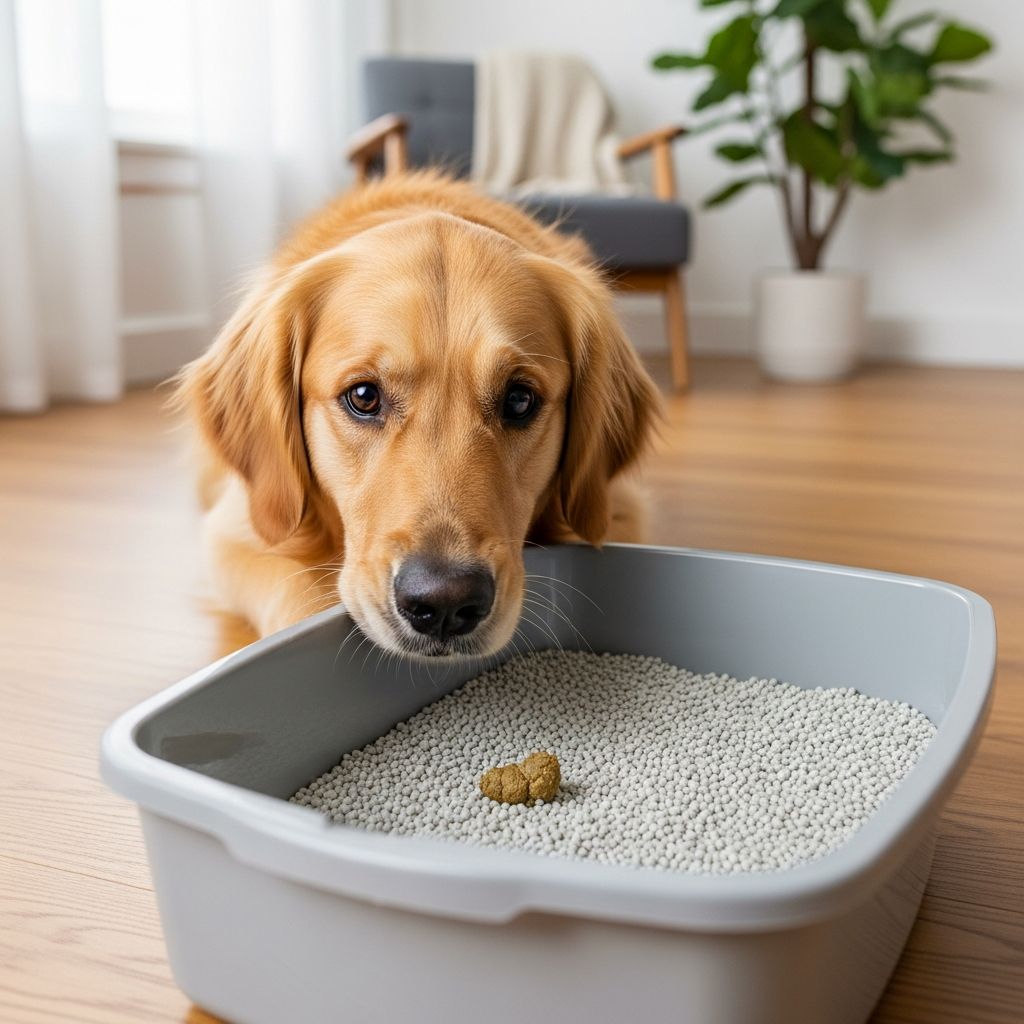
Dogs eating cat poop, known scientifically as coprophagia, is a common yet unsettling behavior in multi-pet households. This habit stems from a mix of instinctual drives, nutritional issues, and environmental factors, but it poses significant health threats including parasitic infections and digestive blockages.
Understanding the Instinct Behind the Behavior
At its core, a dog’s urge to eat cat feces often traces back to their ancestral scavenging instincts. Wild canines frequently consumed feces to extract undigested nutrients or as a survival mechanism in scarce environments. In modern homes, cat poop appeals because cats are obligate carnivores with highly digestible, protein-rich diets, leaving behind semi-formed, nutrient-packed waste that smells enticing to dogs.
Studies indicate that around 16% of dogs engage in regular coprophagia, including cat feces consumption. This behavior peaks in puppies exploring their world through their mouths and persists in adults due to learned associations, such as linking the litter box to a reliable “snack spot.” Boredom or stress in understimulated dogs can exacerbate the issue, turning the litter box into an accessible diversion.
Nutritional and Medical Triggers
Beyond instincts, underlying health or dietary problems frequently drive this habit. Dogs with
nutritional deficiencies
—perhaps from incomplete homemade diets or poor-quality commercial food failing Association of American Feed Control Officials standards—may seek out cat poop to fulfill unmet needs like enzymes or vitamins.- Endocrine disorders impairing nutrient absorption can prompt scavenging.
- Conditions like exocrine pancreatic insufficiency reduce digestive enzyme production, making undigested cat waste appealing.
- Pica, a compulsive eating disorder, leads dogs to ingest non-food items including feces, often signaling anemia, gastrointestinal issues, or behavioral anomalies.
Signs of pica include persistent grass, dirt, or litter consumption alongside cat poop, warranting a veterinary check for blockages or toxicities.
Serious Health Hazards of Cat Feces Consumption
Cat poop isn’t just unappetizing—it’s a vector for pathogens hazardous to dogs. Primary risks include parasites, bacteria, and physical obstructions from litter material.
Parasitic Threats
Cats serve as definitive hosts for
Toxoplasma gondii
, a protozoan parasite shed in feces. Dogs ingesting infected poop risk toxoplasmosis, causing neurological symptoms, muscle weakness, and in vulnerable cases, organ damage. Puppies, seniors, and immunocompromised dogs face heightened severity, though healthy adults often fight it off asymptomatically.Other parasites like roundworms, hookworms, and Giardia transfer readily via coprophagia, leading to intestinal inflammation, diarrhea, weight loss, and anemia. Monthly heartworm preventatives covering intestinal worms offer partial protection, but consistent deworming for both pets is essential.
Bacterial Dangers
Bacteria such as Salmonella, E. coli, and Clostridium perfringens thrive in feline waste, provoking vomiting, bloody diarrhea, dehydration, and lethargy in dogs. These infections mimic parasitic symptoms, complicating diagnosis without fecal testing.
Litter-Related Complications
Clumping litters (clay or silica-based) pose impaction risks when ingested, absorbing intestinal moisture and causing life-threatening blockages. Non-toxic alternatives like pine or corn-based litters reduce but don’t eliminate dangers.
| Risk Factor | Symptoms in Dogs | High-Risk Groups |
|---|---|---|
| Toxoplasmosis | Vomiting, weakness, neurological issues | Puppies, pregnant dogs |
| Roundworms/Hookworms | Diarrhea, weight loss, anemia | All ages, esp. young dogs |
| Bacterial Infections | Dehydration, lethargy, bloody stools | Immunocompromised |
| Litter Blockage | Constipation, abdominal pain | Greedy eaters |
Recognizing and Diagnosing Illness
Monitor for vomiting, persistent diarrhea, appetite loss, or unusual fatigue post-litter box raids. Vets confirm issues via bloodwork, fecal analysis, or spinal fluid tests for toxoplasmosis. Early intervention prevents escalation, especially since treatments like antiparasitics or fluids can be costly.
Humans risk zoonotic transmission too—hookworms penetrate skin, toxoplasmosis affects pregnant women—but dogs’ direct ingestion amplifies their vulnerability compared to incidental human exposure during litter changes.
Effective Deterrence Strategies
Stopping the behavior requires multi-faceted approaches combining prevention, training, and environmental tweaks.
Litter Box Fortification
- Install baby gates or litter box covers to block access.
- Scoop waste multiple times daily, minimizing availability.
- Place boxes in elevated or closed-door locations dogs can’t reach.
Dietary and Supplement Interventions
Switch to high-quality, AAFCO-approved food addressing deficiencies. For stubborn cases, vets may prescribe enzyme supplements like For-Bid to render feces unpalatable.
Training Techniques
- Use firm “leave it” commands paired with rewards.
- Employ motion-activated deterrents like air sprays near the box.
- Increase exercise and enrichment toys to curb boredom-driven scavenging.
Consistency yields results; most dogs improve within weeks.
Long-Term Management in Multi-Pet Homes
Regular deworming for cats and dogs, alongside annual parasite screenings, forms a proactive shield. Outdoor cats heighten risks by picking up environmental parasites, so keep them indoors or on preventatives. Homemade diets demand veterinary nutritionist oversight to avoid gaps fueling coprophagia.
For pica suspects, rule out medical causes first—blood panels detect deficiencies or disorders. Behavioral consults help if habits persist post-health clearance.
Common Myths Debunked
- Myth: It’s harmless curiosity. Reality: Even one ingestion risks infection.
- Myth: Only puppies do it. Adults partake due to diet or stress.
- Myth: Cat litter is digestible. It causes obstructions.
Frequently Asked Questions
Can healthy dogs get sick from cat poop?
Yes, even robust dogs risk parasites like Toxoplasma gondii or bacteria causing GI upset.
How do I stop my dog from litter box raiding?
Block access, train commands, and enhance diet/enrichment.
Is toxoplasmosis fatal in dogs?
Rarely in healthy dogs, but severe in puppies/immunosuppressed ones.
Does cat poop smell attract dogs specifically?
Yes, its protein richness mimics a treat.
Should I punish my dog for eating poop?
No—positive reinforcement works better; punishment increases stress.
Conclusion: Prioritize Prevention for Pet Harmony
Addressing dog coprophagia safeguards health and maintains household peace. Vigilant management turns potential crises into manageable quirks, ensuring joyful multi-pet living.
References
- Why Do Dogs Eat Cat Poop? Reasons, Risks, Myths, & Solutions — WoPet. 2023. https://wopet.com/dogs/why-do-dogs-eat-cat-poop/
- Can Dogs Get Sick From Eating Cat Poop? — WagWalking. 2023. https://wagwalking.com/wellness/can-dogs-get-sick-from-eating-cat-poop
- Can My Dog Get Sick From the Cat’s Litter Box? — Washingtonian. 2015-02-11. https://washingtonian.com/2015/02/11/can-my-dog-get-sick-from-the-cats-litter-box/
- Toxoplasmosis In Dogs: Symptoms, Causes & Treatment — Dutch. 2024. https://www.dutch.com/blogs/dogs/toxoplasmosis-in-dogs
- Why Your Dog Eats Cat Poop Out of the Litterbox — VHA Vets. 2023. https://vhavets.com/blog/dog-eats-cat-poop-out-of-the-litterbox/
- Toxoplasmosis – Symptoms and causes — Mayo Clinic. 2024. https://www.mayoclinic.org/diseases-conditions/toxoplasmosis/symptoms-causes/syc-20356249
- What’s Toxoplasmosis in Dogs? Cause, Symptoms, and Treatment — ASPCA Pet Insurance. 2023. https://www.aspcapetinsurance.com/resources/toxoplasmosis-dogs/
Similar Articles








Read full bio of Sneha Tete


