Why Dogs Dump Their Food Everywhere
Discover the hidden reasons behind your dog's messy mealtime habits and practical fixes to keep floors clean.
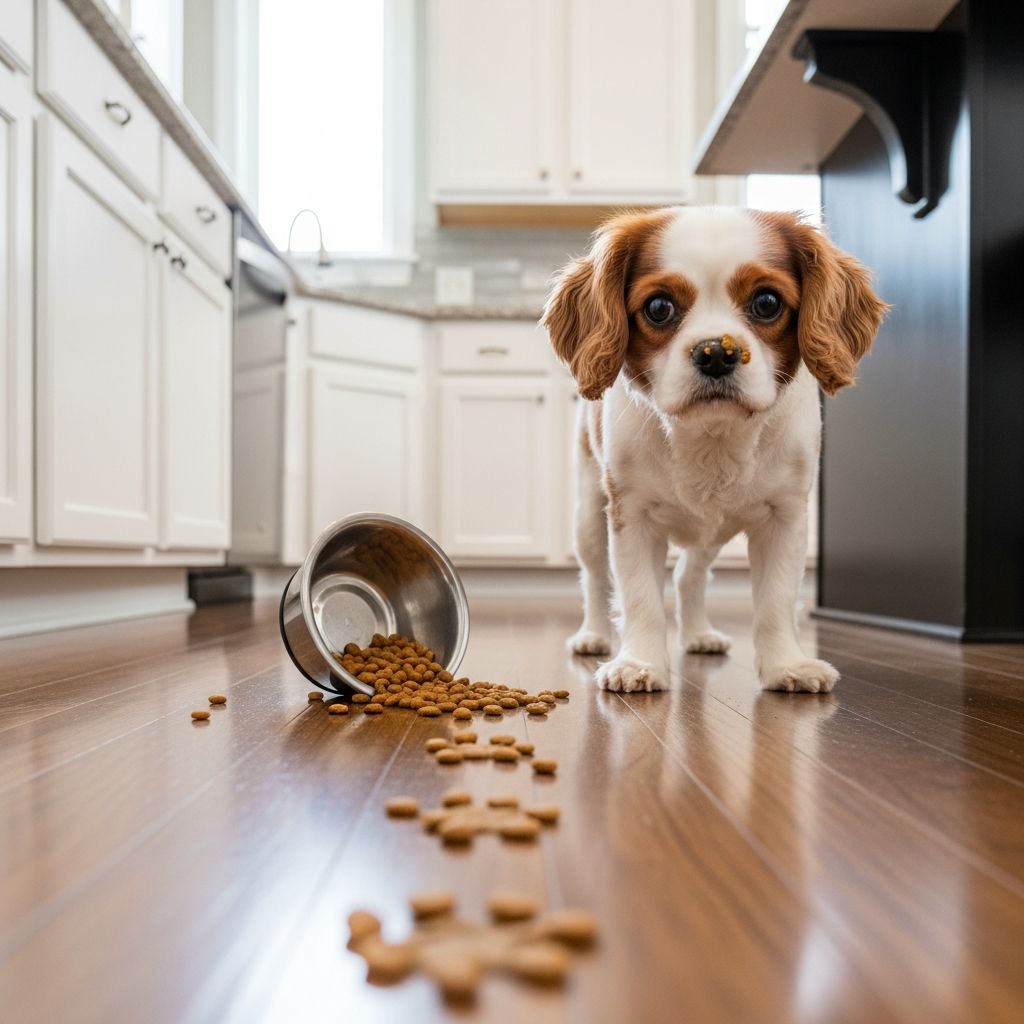
Your dog’s mealtime should be a simple affair of eating and enjoying, but if kibble is flying across the kitchen floor every day, you’re not alone. Many pet owners puzzle over this chaotic behavior, wondering if it’s playfulness, defiance, or something deeper. In reality, dogs spill, scatter, or outright flip their bowls for a mix of instinctual, environmental, health-related, and emotional reasons. Understanding these triggers can transform messy routines into peaceful ones.
Unpacking the Primal Drives Behind Messy Eating
Dogs descend from wolves, and echoes of wild survival tactics linger in modern pets. These ancient behaviors explain much of the food-dumping drama observed at home.
- Resource Protection Instinct: In packs, wolves fiercely guard meals from rivals. Domestic dogs may scatter kibble to ‘claim’ it, especially in homes with multiple pets. This prevents others from approaching the bowl during eating.
- Food Hiding or Caching: Wild canines bury excess food for later, a habit called caching. Your dog might nudge kibble away from the bowl to mimic this, creating a personal stockpile on the floor.
- Territorial Marking: Spilling can assert dominance, particularly if the dog feels challenged by household changes or other animals. It’s a subtle way to say, “This space and food are mine.”
These drives are hardwired, appearing across breeds but more pronounced in those with hunting heritages like terriers or hounds.
How Your Home Setup Fuels the Chaos
The feeding area plays a starring role in spillage episodes. Subtle environmental tweaks often yield big improvements without much effort.
| Factor | Problem | Solution |
|---|---|---|
| Bowl Elevation | Low bowls strain necks, prompting drops | Elevated stands for comfort |
| Material Type | Noisy metal rattles sensitive ears | Quiet ceramic or plastic |
| Location | Busy spots cause anxiety | Calm, visible corner |
| Whisker Contact | Deep bowls irritate whiskers | Wide, shallow dishes |
For short-nosed breeds like bulldogs, elevated bowls reduce strain and spills. High-traffic kitchens amplify stress, making dogs relocate food to quieter zones instinctively.
Health Signals Hidden in Scattered Kibble
Sudden or worsening spillage warrants a vet check, as it can flag underlying issues. Pain or discomfort alters eating patterns dramatically.
- Oral Discomfort: Sore teeth, gums, or infections make chewing kibble painful. Dogs paw at mouths or drop food to avoid agony.
- Gut Troubles: Nausea from digestive woes leads to selective eating or outright rejection, with spills as a byproduct.
- Teething in Pups: Young dogs chew awkwardly, scattering bits while tender mouths adjust.
Appetite shifts paired with spills signal urgency. A 2023 study from the American Veterinary Medical Association notes dental disease affects 80% of dogs over age three, often manifesting as altered feeding.
Emotional and Mental Triggers for Bowl Flipping
Dogs aren’t just physical beings; their minds drive actions too. Stress or boredom turns meals into unintended games.
- Anxiety from Changes: New babies, moves, or rearranged furniture unsettle routines. Flipping expresses distress over instability.
- Boredom Blues: Fast eaters finish quickly and play with leftovers. Understimulated dogs treat bowls as toys.
- Attention Ploys: Clever pups learn spills draw reactions, reinforcing the habit for interaction.
Observe context: Does spilling ramp up during family gatherings? That’s anxiety. Solitary midday messes? Likely boredom.
Smart Strategies to Curb the Mess
Armed with causes, reclaim mealtime control through targeted fixes. Start simple and layer as needed.
- Upgrade Gear: Switch to slow-feeder bowls or puzzle dispensers. These extend meals, reducing frenzy-induced spills.
- Relocate Routines: Feed in a low-stress zone. Use mats to contain strays.
- Diet Tweaks: Test flavors; picky dogs spill disliked kibble. Transition slowly to avoid tummy upset.
- Training Tactics: Teach “leave it” or “bowl stay” with treats. Reward calm eating.
- Enrichment Boost: Snuffle mats or scatter feeding mimics hunting, channeling instincts positively.
For multi-dog homes, separate feeding stations prevent guarding clashes. Consistency is key—meals at fixed times build security.
When to Call in Professional Help
Most spills resolve with adjustments, but persistent cases need experts. Vets rule out medical roots; certified trainers address behavior.
- Consult if spills accompany weight loss, vomiting, or lethargy.
- Behaviorists help with anxiety-linked flipping, using desensitization.
Early intervention prevents escalation. Track incidents in a journal: timing, amount, mood—for precise diagnostics.
Breed-Specific Quirks in Food Handling
Not all dogs dump equally. Flat-faced brachycephalics like pugs struggle with deep bowls due to anatomy. Herding breeds (e.g., Border Collies) paw at food playfully. Sighthounds cache from ancestral hunts.
Tailor solutions: Wide plates for snub noses, interactive toys for high-energy types.
Long-Term Habits for Spill-Free Meals
Build lasting calm through daily practices. Portion control prevents overexcitement. Hand-feeding bits reinforces bonds and precision.
Mindful owners report 70% spill reduction post-changes, per pet behavior surveys. Patience pays off—dogs adapt quickly to positive shifts.
Frequently Asked Questions
Is food spilling normal for puppies?
Yes, teething and exploration cause it. Provide soft toys and shallow dishes; it fades by 6-8 months.
Does bowl flipping mean my dog hates their food?
Often, yes—scent or texture aversion. Try toppers like wet food; vet-check for sensitivities.
Can anxiety meds stop this behavior?
Vet-prescribed options help severe cases alongside training. Non-drug aids like calming pheromones work first.
Why does my senior dog suddenly spill more?
Arthritis, vision loss, or dental decline. Elevated bowls and soft diets ease issues.
How do I train against instinctive caching?
Short sessions with rewards for bowl eating. Scatter-free zones during meals redirect urges.
References
- Understanding Why Does My Dog Spill His Food Before Eating — Houndsy. 2023. https://www.houndsy.com/blogs/modern-tails/understanding-why-does-my-dog-spill-his-food-before-eating
- Why Does My Dog Flip Their Food Bowl? (8 Reasons) — Dutch. 2024-05-15. https://www.dutch.com/blogs/dogs/dog-flips-food-bowl
- Why Dog Carries Food Away: 6 Common Reasons — Petful. 2023-11-02. https://www.petful.com/behaviors/why-dog-carries-food-away/
- Prevalence of Dental Disease in Dogs — American Veterinary Medical Association (AVMA). 2023. https://www.avma.org/resources-tools/pet-owners/petcare/dental-disease-dogs
- Canine Behavior and Resource Guarding — ASPCA. 2024. https://www.aspca.org/pet-care/dog-care/common-dog-behavior-issues/resource-guarding
Similar Articles



Read full bio of medha deb