

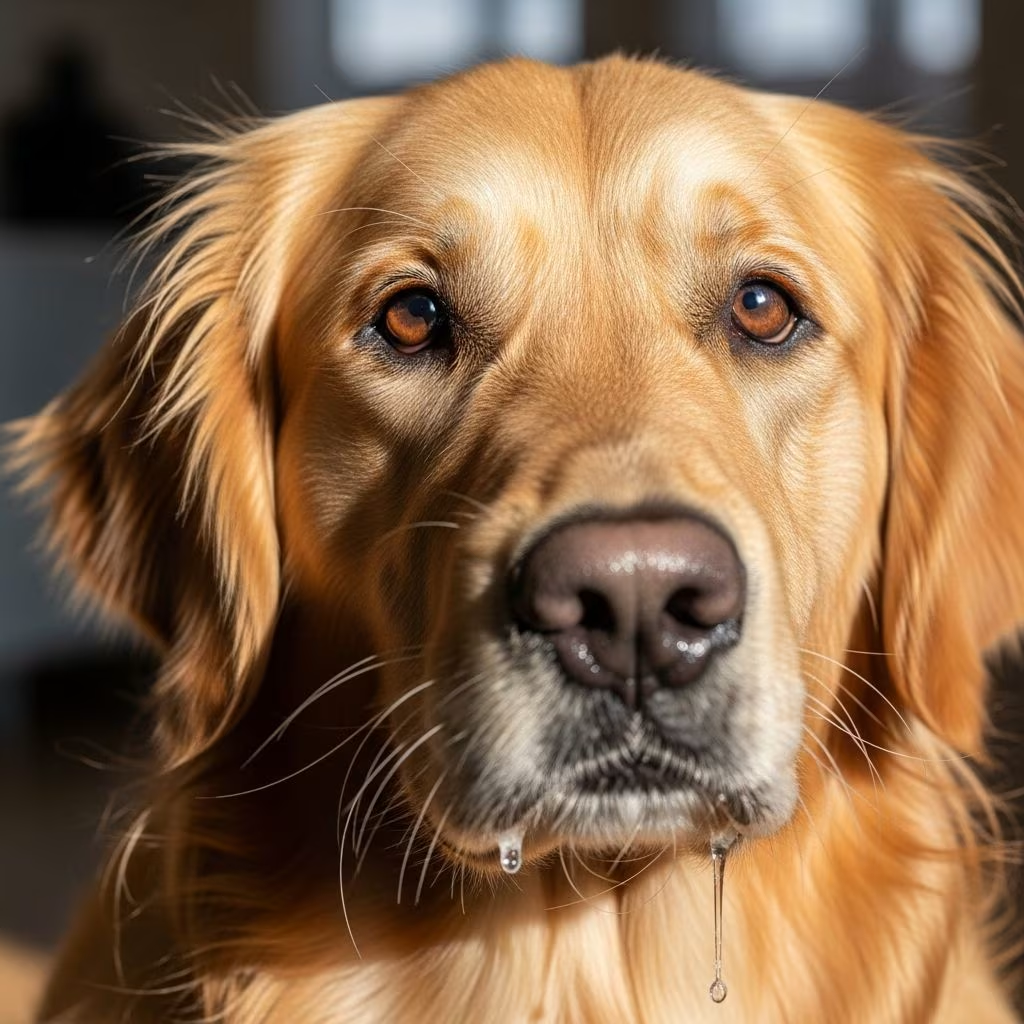
Dogs naturally produce saliva to aid digestion, keep their mouths moist, and regulate temperature through panting. However, when drooling becomes excessive—creating puddles, wet fur on the chin, or constant dripping—it often signals an underlying issue ranging from benign habits to life-threatening conditions. Understanding the difference between normal slobber and problematic hypersalivation (known medically as ptyalism) helps pet owners respond appropriately, potentially saving their dog’s life.
Normal Reasons for Drooling in Dogs
Not all drooling warrants worry. Many dogs slobber due to everyday physiological responses or breed traits. Recognizing these helps distinguish routine behavior from potential problems.
- Anticipation of Food: Dogs salivate profusely at mealtime or when smelling treats, a Pavlovian response where salivary glands activate in preparation for eating.
- Exercise and Cooling: During physical activity, dogs pant heavily, and saliva evaporation from the tongue helps dissipate heat, leading to visible drool.
- Excitement or Stress: High-energy moments like playtime or greetings trigger adrenaline-fueled salivation, while anxiety from car rides or new environments can do the same.
- Breed Anatomy: Breeds with loose jowls, such as Bloodhounds, Mastiffs, Saint Bernards, and Newfoundlands, retain less saliva due to their facial structure, making drooling appear excessive even when production is normal.
- Puppy Teething: Puppies aged 3-6 months drool as new teeth emerge, with gums stimulating saliva to ease discomfort.
These scenarios typically resolve quickly without additional symptoms like lethargy or pain. Monitor patterns: if drooling stops post-event, it’s likely harmless.
Health-Related Causes of Excessive Drooling
When drooling persists or appears suddenly without an obvious trigger, medical evaluation is crucial. Common health issues disrupt saliva production, swallowing, or cause nausea.
Oral and Dental Problems
Dental disease tops the list for chronic drooling. Periodontal issues like gingivitis, stomatitis, or advanced periodontitis cause pain, inflammation, and bad breath (halitosis), prompting dogs to hold saliva rather than swallow. Look for red gums, loose teeth, tartar buildup, or facial swelling. Abscesses or fractured teeth from chewing hard objects exacerbate this, sometimes leading to pus or blood in saliva.
Other oral culprits include sialadenitis (salivary gland inflammation), sialoceles (saliva-filled cysts), tumors, or infections. These often present with visible gland swelling under the jaw or neck.
Gastrointestinal Disturbances
Nausea from GI tract problems frequently causes drooling as the body prepares to expel irritants. Conditions include gastritis, pancreatitis, foreign body obstructions (e.g., swallowed toys, bones, or socks), inflammatory bowel disease, ulcers, or cancers. Dogs may show restlessness, vomiting, diarrhea, appetite loss, or abdominal guarding.
Severe cases like gastric dilatation-volvulus (GDV or bloat), common in deep-chested breeds, combine sudden drooling with a distended belly and retching— a veterinary emergency.
Systemic and Organ Diseases
Kidney or liver failure can lead to uremia-induced nausea and drooling, often with systemic signs like weakness, increased thirst, or jaundice. These chronic conditions build gradually but require prompt diagnostics like bloodwork.
Emergency Triggers: When Drooling Demands Immediate Action
Certain causes escalate rapidly, turning drooling into an SOS. Delay can be fatal, so heed these red flags alongside hypersalivation.
| Emergency Sign | Possible Cause | Accompanying Symptoms |
|---|---|---|
| Sudden, profuse drooling | Toxin ingestion (chocolate, xylitol, plants, chemicals) | Vomiting, tremors, seizures, agitation |
| Bloody or discolored saliva | Mouth trauma, burns, coagulopathies | Pawing at mouth, lesions, reluctance to eat |
| Drooling + heavy panting/collapse | Heatstroke | Red gums, rapid breathing, weakness |
| Facial swelling or hives | Allergic reaction/anaphylaxis | Itching, difficulty breathing |
| Drooling + retching/bloat | GI blockage or GDV | Abdominal pain, unproductive vomiting |
| Neurological signs | Seizures, rabies, nerve damage | Staggering, uneven pupils, foaming |
In these cases, contact an emergency vet or animal poison control immediately. For toxins, note what and how much was ingested.
Assessing Your Dog’s Drooling: Key Observation Tips
Track details to aid your vet:
- Duration and Onset: New within hours? Persistent days?
- Volume/Consistency: Puddles? Thick, foamy, colored?
- Triggers: After eating, exercise, car rides?
- Other Signs: Appetite changes, behavior shifts, pain indicators like whining or hiding.
A thorough exam, including oral inspection, blood tests, imaging, or endoscopy, pinpoints causes.
Prevention Strategies for Excessive Drooling
Proactive steps reduce risks:
- Daily dental care: Brush teeth, use vet-approved chews, schedule cleanings.
- Secure toxins: Store chemicals, meds, chocolates out of reach.
- Monitor heat: Avoid hot cars/exercise; provide shade/water.
- Diet vigilance: No cooked bones, toxic foods (grapes, onions).
- Breed-specific care: For drooly breeds, gentle face wiping prevents skin issues.
Treatment Approaches by Cause
Vet interventions vary:
- Dental: Professional cleaning, extractions, antibiotics.
- GI: Fluids, anti-nausea meds, surgery for blockages.
- Toxins: Induced vomiting, activated charcoal, supportive care.
- Heatstroke: Cooling, IV fluids, oxygen.
- Neurological: Anti-seizure drugs, diagnostics for rabies.
Never medicate at home; professional care ensures safety.
FAQs on Dog Drooling
Is excessive drooling always bad?
No, but sudden or paired with symptoms like vomiting or lethargy requires vet attention.
What breeds drool most?
Mastiffs, Bloodhounds, Bulldogs—due to lip structure.
Can stress cause drooling?
Yes, anxiety triggers saliva production.
How to stop toxin-related drooling?
Rush to ER; don’t induce vomiting without guidance.
Does puppy drooling mean teething?
Often yes, around 3-6 months.
References
- Excessive Drooling in Dogs — PetMD. 2023. https://www.petmd.com/dog/symptoms/excessive-drooling-in-dogs
- Is Excessive Drooling in Dogs an Emergency? 7 Signs — Hidden Springs Animal Hospital. 2024. https://hiddenspringsanimal.com/experiencing-an-emergency/is-excessive-drooling-in-dogs-an-emergency-7-signs-that-you-need-to-visit-the-pet-er/
- Beyond the Slobber: Why Your Dog Won’t Stop Drooling — Harlingen Veterinary Clinic. 2023. https://harlingenveterinaryclinic.com/blog/dog-drooling-constantly/
- Is Excessive Drooling in Dogs an Emergency? — Focused Pet Care. 2024. https://focusedpetcare.com/emergency-vet-in-jacksonville-fl/is-excessive-drooling-in-dogs-an-emergency/
- Excessive drooling in Dogs (Ptyalism) — Apex Veterinary Specialists. 2023. https://apexvetss.com/ptyalism/
- Why is my dog drooling so much? — Carolina Veterinary Specialists. 2024-04-15. https://www.rock-hill.carolinavet.com/site/blog/2024/04/15/dog-drooling
- Drooling in dogs — PDSA. 2024. https://www.pdsa.org.uk/pet-help-and-advice/pet-health-hub/symptoms/drooling-in-dogs



