

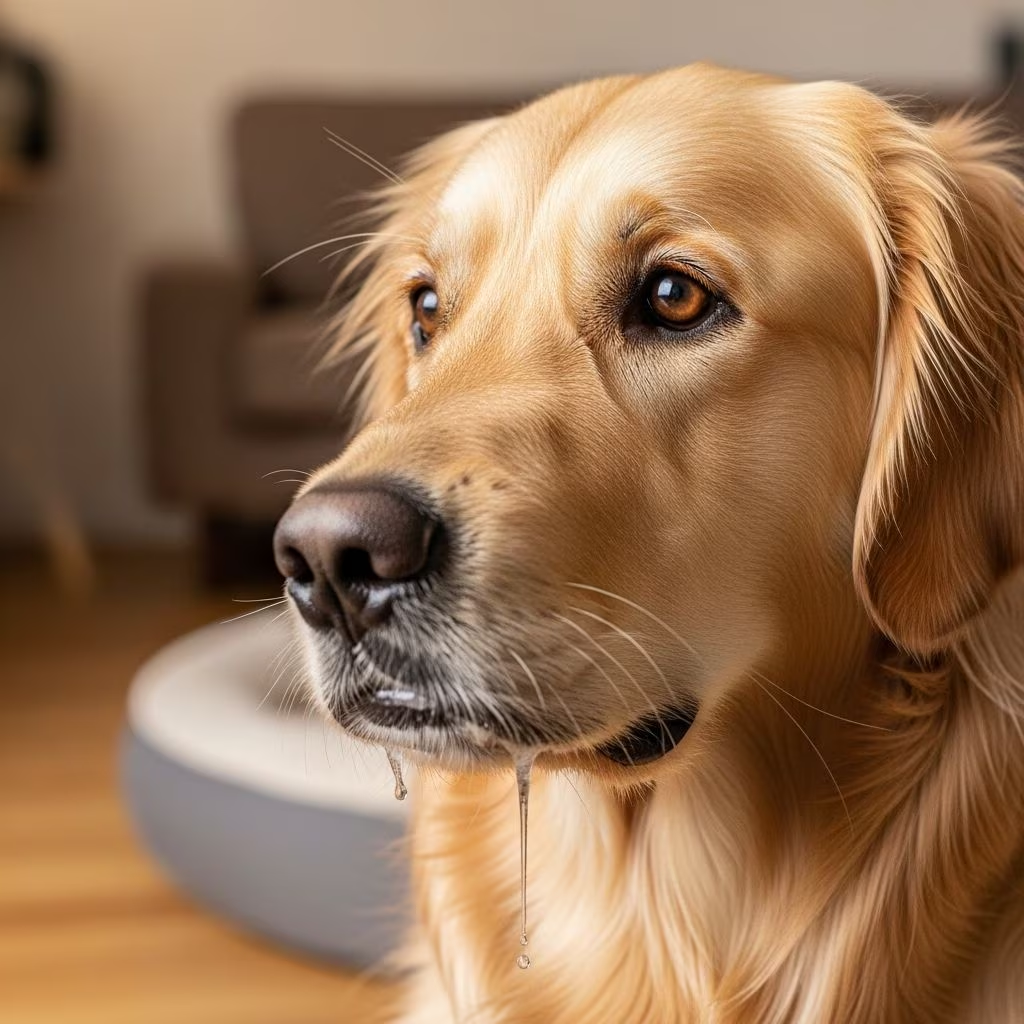
Dogs naturally produce saliva to aid digestion, maintain oral health, and regulate temperature, but when drooling becomes profuse or unusual, it warrants attention. This guide explores the spectrum of reasons—from everyday triggers to life-threatening conditions—and equips owners with knowledge to respond effectively.
Normal Reasons for Drooling in Dogs
Not all increased salivation signals trouble. Certain situations prompt temporary excess saliva as part of a dog’s physiology or behavior.
- Anticipation of Food: The sight or smell of a meal stimulates salivary glands, leading to drooling. This is common in food-motivated breeds.
- Physical Exercise and Cooling: During activity, dogs pant and drool to evaporate saliva from the tongue, dissipating heat since they lack sweat glands.
- Emotional Responses: Excitement during play or stress in unfamiliar settings can spike saliva production. Puppies teething also drool as gums irritate.
- Breed Traits: Dogs with loose jowls, like Bloodhounds or Mastiffs, retain less saliva, making drooling appear constant.
These instances typically resolve quickly without intervention. Monitor if patterns change abruptly.
When Drooling Signals Underlying Health Problems
Persistent or sudden hypersalivation often points to medical issues. Distinguishing normal from problematic requires observing volume, duration, and accompanying signs.
| Category | Common Causes | Key Indicators |
|---|---|---|
| Oral Issues | Dental disease, injuries, foreign objects | Pawing at mouth, blood-tinged saliva, bad breath |
| Digestive Problems | Nausea, blockages, pancreatitis | Vomiting, appetite loss, abdominal pain |
| Systemic Emergencies | Heatstroke, toxins, bloat (GDV) | Lethargy, rapid breathing, distended belly |
| Neurological | Seizures, nerve damage | Head tilting, weakness, uneven pupils |
Oral and Dental Contributors
Severe dental conditions like abscesses, fractured teeth, or gum infections cause pain-induced drooling. Owners might notice reluctance to eat, facial swelling, or discolored saliva. Foreign bodies stuck between teeth or in the throat provoke constant salivation and pawing.
Trauma from chewing cords or sharp items leads to burns or lacerations, escalating saliva as the mouth reacts to irritation.
Gastrointestinal Disturbances
Conditions such as gastritis, obstructions from swallowed toys, or ulcers trigger nausea, prompting excess saliva. Dogs may retch without vomiting or show diarrhea.
Gastric Dilatation-Volvulus (GDV or bloat), common in deep-chested breeds, combines drooling with a swollen abdomen and restlessness—a surgical emergency.
Environmental and Toxic Exposures
Overheating causes profuse drooling as dogs attempt thermoregulation. Heatstroke signs include bright red gums, collapse, and rapid panting, demanding immediate cooling and vet care.
Toxin ingestion—from chocolate, plants, or chemicals—induces hypersalivation alongside vomiting or tremors. Prompt decontamination is critical.
Neurological and Behavioral Factors
Seizures produce frothy drool pre- or post-event. Anxiety from car rides or changes causes temporary spikes, often with panting.
Rarely, brain or nerve issues impair swallowing, leading to pooling saliva and weakness.
Critical Signs Demanding Immediate Veterinary Action
Don’t delay if drooling pairs with these red flags, as they suggest emergencies.
- Sudden onset with blood, unusual color, or thick texture.
- Swallowing difficulty, gagging, or open-mouth breathing.
- Lethargy, collapse, vomiting, or diarrhea.
- Facial swelling, hives, or pawing indicating allergies or obstruction.
- Distended abdomen or unproductive retching (possible bloat).
Even isolated profuse drooling persisting hours merits a check, especially post-exposure risks.
Home Monitoring and Initial Steps
Before rushing to the ER, assess safely:
- Examine the Mouth: Gently check for objects, swelling, or injury (use a flashlight; muzzle if needed).
- Review Recent History: Note exercise, heat exposure, new foods, or chemicals.
- Cool if Overheated: Move to shade, offer water, wet paws/torso—but avoid ice.
- Prevent Dehydration: Encourage small water sips if swallowing is okay.
For mild cases like teething, frozen toys soothe. Dental hygiene with brushing and chews prevents chronic issues.
Preventive Strategies for Healthier Salivary Balance
Proactive care reduces risks:
- Regular vet dental exams and cleanings.
- Secure toxins, small objects, and electrical cords.
- Provide shade, water, and avoid hot-weather exercise.
- Maintain ideal weight to minimize heat retention and bloat risk.
- Train to reduce swallowing hazards.
Breeds prone to drooling benefit from bibs or frequent wiping to stay comfortable.
Diagnostic and Treatment Approaches at the Vet
Vets start with physical exams, oral inspections, and history. Tests may include:
- Bloodwork for toxins or organ function.
- X-rays/ultrasounds for blockages or bloat.
- Dental probing or extractions under anesthesia.
Treatments range from fluids and anti-nausea meds to surgery for obstructions or GDV.
FAQs on Canine Drooling
Is all excessive drooling an emergency?
No, but sudden changes or with other symptoms are. Normal for some breeds or situations.
How much drooling is too much?
Puddles forming or lasting hours without clear trigger signals concern.
Can diet cause drooling?
Yes, nausea from poor food or allergies indirectly prompts it.
What home remedies work for mild drooling?
Cooling, hydration, and mouth checks; vet for persistence.
Do puppies outgrow drooling?
Often yes, post-teething, unless breed-related.
References
- Is Excessive Drooling in Dogs an Emergency? 7 Signs That You Need to Visit the Pet ER — Hidden Springs Animal. Accessed 2026. https://hiddenspringsanimal.com/experiencing-an-emergency/is-excessive-drooling-in-dogs-an-emergency-7-signs-that-you-need-to-visit-the-pet-er/
- Excessive Drooling in Dogs — PetMD. Accessed 2026. https://www.petmd.com/dog/symptoms/excessive-drooling-in-dogs
- Beyond the Slobber: Why Your Dog Won’t Stop Drooling — Harlingen Veterinary Clinic. Accessed 2026. https://harlingenveterinaryclinic.com/blog/dog-drooling-constantly/
- Is Excessive Drooling in Dogs an Emergency? — Focused Pet Care. Accessed 2026. https://focusedpetcare.com/emergency-vet-in-jacksonville-fl/is-excessive-drooling-in-dogs-an-emergency/
- Drooling in Dogs — PDSA. Accessed 2026. https://www.pdsa.org.uk/pet-help-and-advice/pet-health-hub/symptoms/drooling-in-dogs
- Why is my dog drooling so much? — Carolina Vet. 2024-04-15. https://www.rock-hill.carolinavet.com/site/blog/2024/04/15/dog-drooling
- Dog Drooling: When Is It Cause for Concern? — American Kennel Club. Accessed 2026. https://www.akc.org/expert-advice/health/why-do-dogs-drool/



