

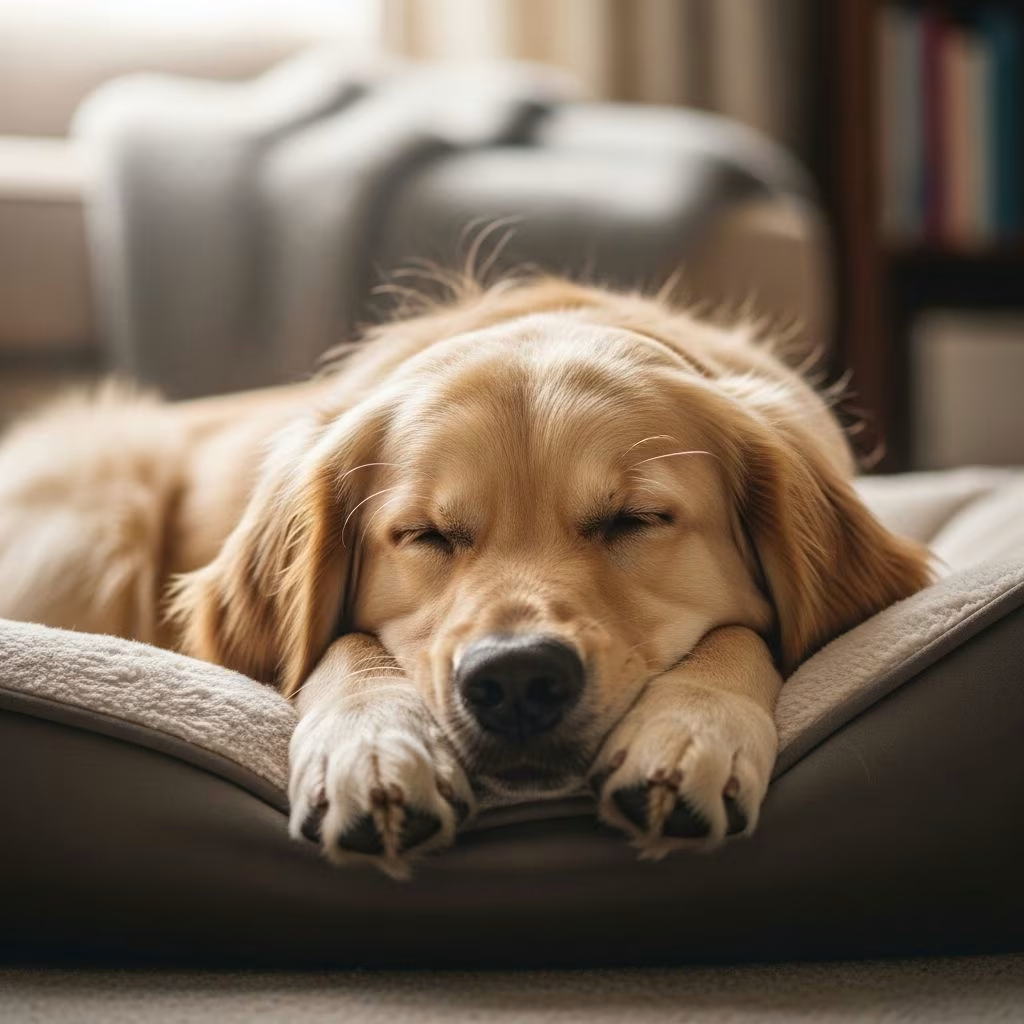
Dogs possess an remarkable ability to transition into sleep rapidly, often within minutes of settling down. This quick onset stems from their unique physiological adaptations, circadian rhythms, and environmental responses honed through evolution.
The Biological Mechanisms Driving Fast Sleep in Dogs
Canine sleep is regulated by a complex interplay of neurotransmitters and hormones. Serotonin levels in dogs fluctuate with daylight exposure and activity, converting to melatonin as darkness falls to signal rest time.GABA, the brain’s primary inhibitory neurotransmitter, promotes relaxation by shifting the mind from alertness to calm, especially during non-REM stages.
Melatonin production ramps up in low-light conditions, aligning dogs’ internal clocks with natural day-night cycles. Cortisol, which peaks in the morning for wakefulness, drops in the evening unless disrupted by stress, allowing swift sleep entry. These mechanisms enable dogs to complete 20 or more sleep cycles nightly, far exceeding human patterns of 4-5 cycles.
How Meals Trigger Rapid Post-Eating Naps
A common observation is dogs dozing off soon after eating. This phenomenon activates the parasympathetic nervous system, prioritizing digestion over activity by slowing the sympathetic ‘fight-or-flight’ response.
Insulin surges post-meal enhance amino acid uptake, indirectly boosting tryptophan availability. Tryptophan converts to serotonin and then melatonin, both potent sleep inducers available even as over-the-counter aids. While myths like reduced brain blood flow persist, the body maintains steady cerebral circulation regardless of meals.
- Parasympathetic activation diverts energy to gut processing.
- Insulin facilitates tryptophan’s brain access for serotonin production.
- Melatonin synthesis peaks, hastening drowsiness.
Excessive post-meal sleepiness warrants veterinary checks for issues like portosystemic shunts causing ammonia buildup or low blood sugar.
Common Sleep Positions and What They Reveal
Dogs adopt distinct postures reflecting sleep depth and readiness. These positions offer clues to their comfort and alertness levels.
| Position | Description | Sleep Stage | Implications |
|---|---|---|---|
| Superman | Stomach down, legs extended forward and back | Light sleep | Quick arousal for play; common in puppies |
| Lion’s Pose | Stomach with head on paws | Initial light sleep | Easy wake-up; transitions to deeper rest |
| Donut Curl | Tightly curled ball | Deep sleep | Body temperature regulation; organ protection |
| Side Sleeper | On side, legs outstretched | Deep REM | Full relaxation; vulnerability indicator |
Curled positions conserve heat, mimicking wild survival instincts, while extended poses signal security.
Canine Sleep Cycles: From Light Doze to REM Dreams
Dogs cycle rapidly through sleep phases. Light sleep involves minimal movement, progressing to deeper non-REM for restoration, then REM marked by twitching, rapid eyes, and beta/theta brain waves.
Unlike humans, dogs enter REM sooner and more frequently, supporting muscle repair and memory consolidation. Disruptions like artificial lights suppress melatonin, fragmenting cycles.
Environmental and Lifestyle Factors Influencing Sleep Speed
Consistent routines enhance rapid sleep. Dim evening lighting boosts melatonin, while exercise fatigues muscles naturally. Stress elevates cortisol, delaying onset; calming spaces with familiar scents aid transition.
After negative events, dogs sleep faster to process emotions, per studies on circadian responses. High-energy breeds need more activity to expend dopamine, preventing hyperarousal.
The Critical Role of Sleep in Canine Well-Being
Adequate rest prevents behavioral issues. Sleep-deprived dogs show compulsive chewing or licking as dopamine self-soothing, alongside amygdala hyperactivity leading to aggression.
Prefrontal cortex impairment reduces impulse control, amplifying reactivity. Hormonal imbalances raise ghrelin and lower leptin, spurring overeating and weight gain.
- Chronic deprivation heightens fear responses.
- Impairs training focus and mood stability.
- Disrupts appetite regulation.
Tips to Promote Healthy, Swift Sleep in Your Dog
Establish bedtime rituals like short walks. Provide orthopedic beds for joint support. Limit evening stimuli and use pheromone diffusers for anxiety.
- Maintain 12-14 hour daily sleep quotas.
- Feed earlier to avoid digestive interference.
- Monitor for signs of disorders like apnea.
Veterinary advice is key for persistent issues.
FAQs on Canine Sleep Patterns
Why does my dog fall asleep right after eating?
Meals trigger parasympathetic dominance and melatonin via insulin-tryptophan pathways, inducing drowsiness quickly.
How many hours should a dog sleep?
Puppies need 18-20 hours, adults 12-14, seniors up to 18, varying by breed and age.
Is it normal for dogs to twitch while sleeping?
Yes, during REM they dream, processing daily experiences with muscle twitches.
What if my dog sleeps excessively?
Check for health issues like shunts, hypothyroidism, or diabetes via vet diagnostics.
Can light affect my dog’s sleep?
Absolutely; blue light suppresses melatonin, so darken rooms at night.
References
- Why Do Dogs Fall Asleep After Eating — WagWalking. 2023-05-15. https://wagwalking.com/behavior/why-do-dogs-fall-asleep-after-eating
- More Than a Nap: The Essential Role of Sleep in Canine Health and Happiness — Canine Evolutions. 2024-02-10. https://www.canineevolutions.com/news/more-than-a-nap-the-essential-role-of-sleep-in-canine-health-and-happiness
- How Dogs Sleep: 5 Common Dog Sleeping Positions Explained — MasterClass. 2023-11-20. https://www.masterclass.com/articles/how-dogs-sleep
- Phases of Dog Sleep Cycles — BuddyRest. 2024-01-05. https://buddyrest.com/blogs/buddyblog/phases-of-dog-sleep-cycles
- Sleep macrostructure is modulated by positive and negative social experiences in dogs — Royal Society Publishing. 2017-11-29. https://royalsocietypublishing.org/rspb/article/284/1865/20171883/78696/Sleep-macrostructure-is-modulated-by-positive-and



