

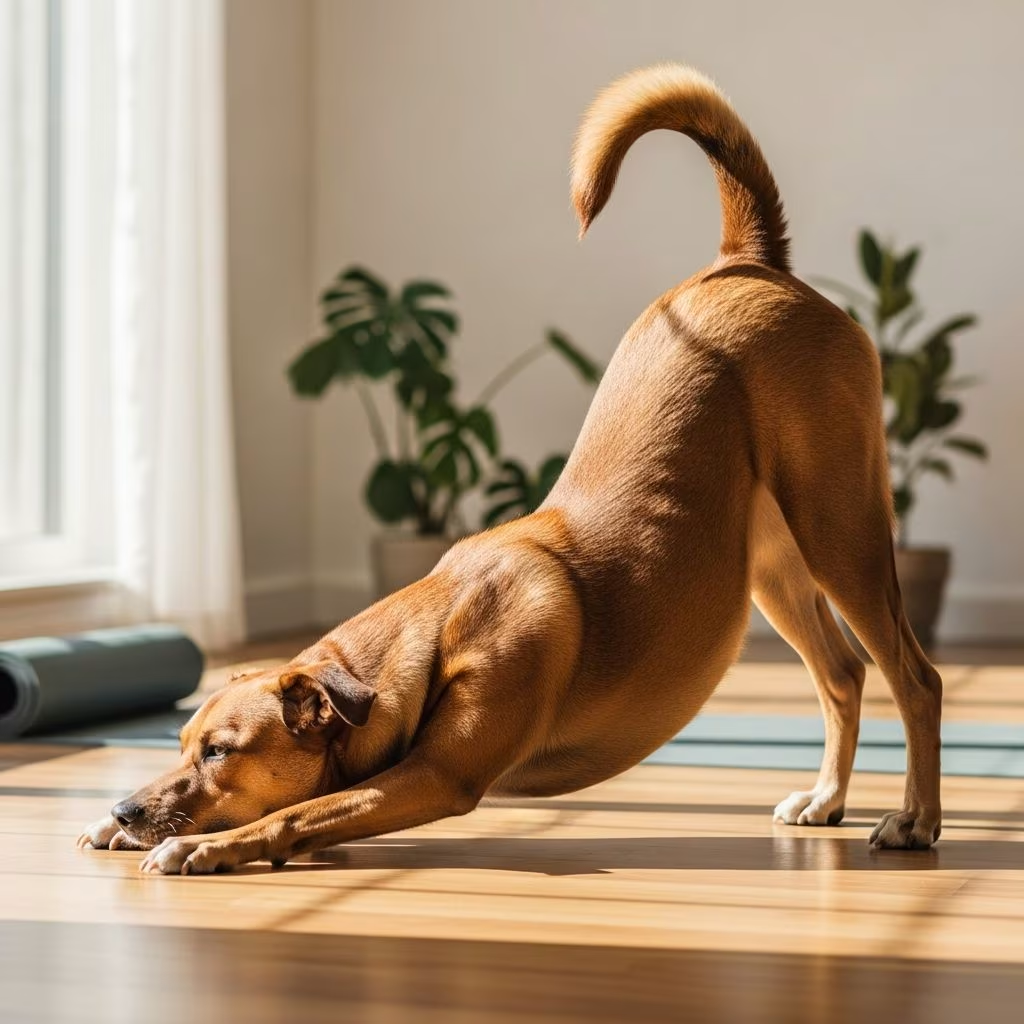
The **downward dog pose**—where your dog stretches its front legs forward, lowers its chest toward the ground, and lifts its rear end high—is a familiar sight for many pet owners. This yoga-inspired position serves multiple purposes in canine communication and physical health, mimicking the human yoga asana known for spinal decompression and flexibility. While often a sign of joy or routine maintenance, understanding its context helps distinguish harmless habits from potential health alerts.
What is the Downward Dog Pose in Dogs?
Dogs assume the downward dog pose by extending their front legs straight ahead, pressing their chest low, and elevating their hindquarters, often with a wagging tail and relaxed ears. This full-body stretch targets the spine, shoulders, legs, and core muscles, promoting blood flow and joint mobility much like morning stretches in humans. It’s instinctive, rooted in wolves and wild canids who use similar postures for physical readiness.
- Physical description: Front paws forward, elbows straight, chest near ground, butt up, tail possibly wagging.
- Duration: Typically brief (5-30 seconds) unless transitioning to play.
- Common triggers: Waking from sleep, greeting owners, or initiating play with other dogs.
Observing accompanying body language—playful eyes, loose posture—reveals its benign nature. Rigid muscles or whining suggest otherwise.
Why Do Dogs Stretch into Downward Dog?
Dogs perform this pose for physiological and social reasons. Primarily, it’s a natural stretch to counteract stiffness from rest, enhancing flexibility and circulation. After naps, muscles shorten; the pose elongates them, preventing injury during activity.
Socially, it doubles as a **play bow**, a universal canine signal for ‘let’s play!’ popularized in ethology studies. Dogs direct it at owners or peers to invite interaction, reducing tension in greetings.
| Reason | Description | Body Language Cues |
|---|---|---|
| Stretching | Relieves muscle tension post-rest | Relaxed face, no urgency |
| Play Invitation | Signals fun, non-threatening intent | Wagging tail, bouncy movements |
| Affection/Greeting | Shows excitement upon seeing owner | Approaches with soft eyes, wagging |
Is Downward Dog a Play Bow?
Yes, the downward dog is often called a **play bow**, a key element of canine body language. Dogs lower their front end while keeping the rear elevated to communicate playfulness, especially during greetings or with toys. This bow appeases potential conflicts, signaling ‘this is fun, not aggression.’
Puppies learn it early, using it to solicit chase games. Adult dogs employ it similarly, combining stretch benefits with social cues. A wagging tail and ‘play face’ (open mouth, bright eyes) confirm this intent.
Health Benefits of the Downward Dog Stretch for Dogs
This pose offers tangible health perks, supported by veterinary observations. It improves spinal alignment, stretches hamstrings and shoulders, and boosts circulation, akin to yoga’s effects on humans.
- Muscle maintenance: Loosens tight fibres after inactivity.
- Joint health: Enhances mobility, reducing arthritis risk in seniors.
- Circulatory boost: Increases heart rate mildly, aiding oxygen delivery.
- Mental relief: Releases endorphins, promoting relaxation.
Encourage it gently post-walks or naps, but avoid forcing, as dogs self-regulate.
When Might Downward Dog Indicate a Problem?
While usually innocuous, excessive or altered poses warrant attention. If held prolongedly (over 1 minute), repeated obsessively, or paired with symptoms like limping, lethargy, vomiting, or appetite loss, it may signal pain.
The **prayer stretch**—similar but with tucked abdomen—often denotes abdominal distress from pancreatitis, bloat (GDV), or obstructions. Vets note it’s acute in emergencies. Spinal issues, arthritis, or injuries also prompt compensatory stretching.
- Red flags: Whining, hunched back, reluctance to jump, diarrhoea.
- Frequency check: Normal: 3-5 times daily post-rest; concerning: 10+ or sudden increase.
Monitor trends; a healthy dog pairs it with normal energy.
Differences Between Normal Stretch and Pain Position
Distinguishing requires context. Normal stretches are fluid, brief, and joyful; pain poses are stiff, prolonged, and isolated.
| Aspect | Normal Play/Stretching Bow | Pain/Discomfort Position |
|---|---|---|
| Posture | Relaxed, bouncy, tail wag | Rigid, trembling, abdomen tucked |
| Duration | Short, transitions to activity | Prolonged, followed by collapse |
| Context | After sleep, greetings, play | Random, with other symptoms |
| Response to touch | Engages happily | Pulls away, yelps |
PDSA vets emphasize: isolated stretches are fine; clusters with illness signs need checks.
What Should You Do if Concerned?
Track behaviour in a journal: frequency, triggers, symptoms. Video for vets. Mild cases? Ensure exercise, balanced diet, joint supplements if senior.
Urgent: If bloating suspected (distended belly, retching), seek emergency care—GDV kills quickly. Routine vet visits catch issues early.
Frequently Asked Questions
Why does my dog do the downward dog stretch in front of me?
It’s typically a greeting stretch showing affection and play invitation, combined with natural muscle loosening.
Is frequent downward dog a sign of pain?
Not always; post-rest frequency is normal. Pair with limping or lethargy? Vet check advised.
What if my dog holds the pose longer than usual?
Prolonged holds may indicate abdominal or spinal discomfort; monitor and consult vet if persistent.
Can I encourage healthy stretching?
Yes, via play bows during games or gentle yoga-inspired sessions, but let dog lead.
Does breed affect this behaviour?
Active breeds (e.g., herding dogs) do it more for play; brachycephalics less due to anatomy.
References
- Why does my dog do the downward dog stretch in front of me? — Dial A Vet. 2023. https://www.dialavet.com/vet-answers/dog-doing-downward-stretch-normal-33756
- What Does It Mean When Your Dog Keeps Doing Downward Dog? — PetGuide360 (YouTube). 2024-10-30. https://www.youtube.com/watch?v=22FsyeGZtaw
- Discovering the True Meaning of Downward Dog — Pin Paws. N/A. https://www.pinpaws.com/ddownward-dog/
- Dog Owner’s Urgent Warning About ‘Big Stretch’ — Tyla. 2022-05-17. https://www.tyla.com/animals/dog-keeps-doing-downward-dog-stretch-20220517
- Understanding Dog Stretching: From Greetings to Pain Signals — Hanne Grice. N/A. https://www.hannegrice.com/walk-the-dog/understanding-dog-stretching-from-greetings-to-pain-signals/
- The Adorable Reason Dogs Stretch When They See You — Green Matters. N/A. https://www.greenmatters.com/pets/why-do-dogs-stretch-when-they-see-you
- Dog Bowing: What Does it Mean and When to Be Concerned — The Dog Alliance. N/A. https://thedogalliance.org/why-does-my-dog-bow/



