

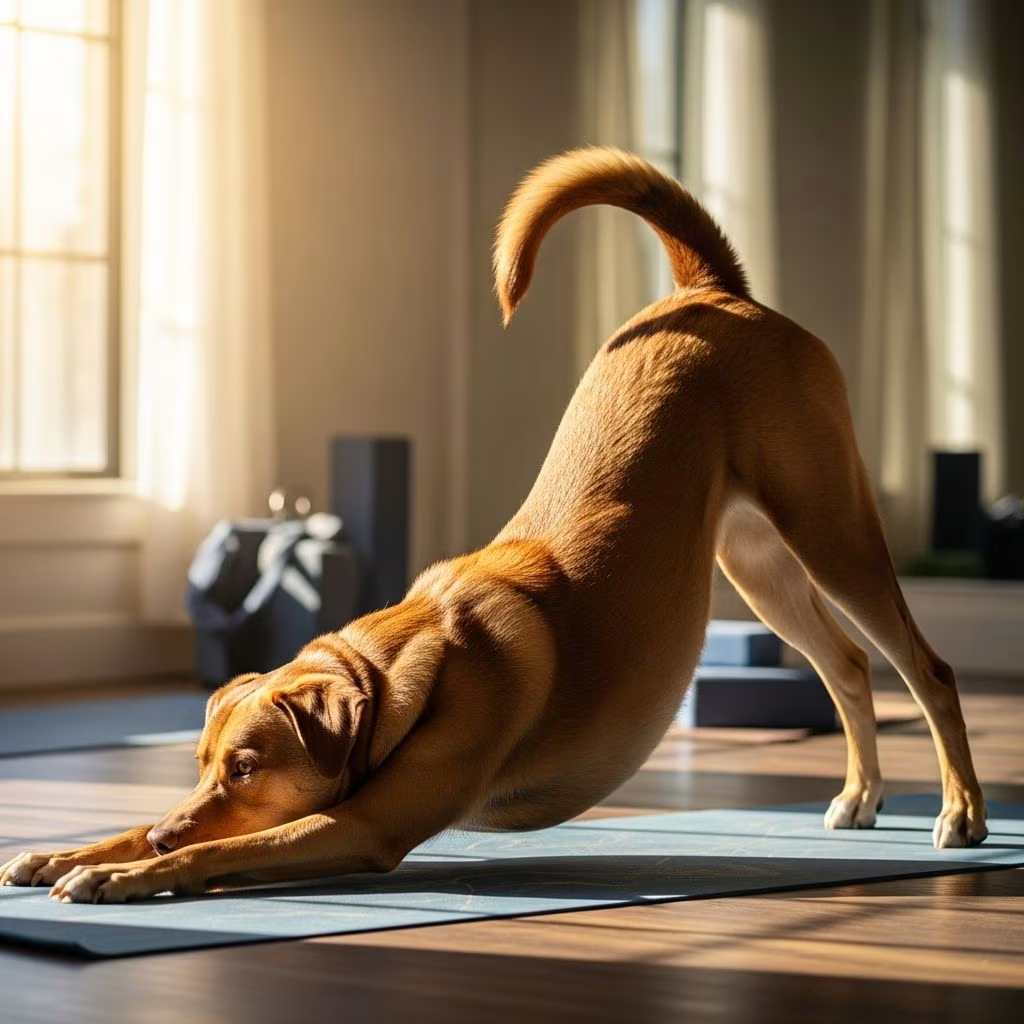
The downward dog pose in dogs, where they stretch their front legs forward while lifting their rear end high, is a common and intriguing behaviour. Often resembling a yoga position, this stretch serves multiple purposes, from physical maintenance to social communication. Understanding it helps pet owners better interpret their dog’s needs and emotions.
What is the Downward Dog Pose in Dogs?
Dogs perform the downward dog pose by extending their front legs straight ahead, lowering their chest toward the ground, and elevating their hindquarters and tail into the air. This position, also called a ‘play bow,’ is instinctive and frequently observed after naps, upon waking, or during interactions. It stretches the spine, legs, and shoulders while signaling intentions to others.
This pose mimics human yoga’s Adho Mukha Svanasana but originates from canine anatomy. Dogs naturally adopt it to loosen muscles after inactivity, much like humans stretch upon rising. The tail often wags vigorously, and the dog’s expression appears relaxed or grinning, emphasizing its friendly nature.
Why Do Dogs Do the Downward Dog?
Dogs execute this pose for several key reasons, blending physical health benefits with behavioral signals. Here’s a breakdown:
- Play Invitation: The most common reason is to solicit play. Known as a ‘play bow,’ it communicates ‘let’s have fun’ to humans or other dogs. Puppies and adults alike use it universally across breeds.
- Natural Stretching: It relieves muscle tension in the spine, hamstrings, and legs, preventing stiffness after rest. Essential for flexibility and joint health.
- Greeting and Excitement: Dogs bow when owners return home or in the morning, expressing joy and comfort only with trusted people, not strangers.
- Submission or Friendliness: In canine social cues, it shows non-threatening intent, indicating relaxation and approachability.
Observing context is crucial: a wagging tail and bouncy movements confirm playfulness, while stillness might suggest otherwise.
Physical Benefits of the Downward Dog Stretch for Dogs
This pose offers significant health advantages, supporting overall canine wellness:
- Spinal Alignment: Lengthens the spine, decompressing the back and improving posture, similar to human yoga benefits.
- Joint and Muscle Flexibility: Stretches shoulders, forelegs, hips, and calves, enhancing mobility and circulation.
- Improved Circulation: Elevates the rear, promoting blood flow, especially beneficial post-sleep.
- Preventive Health: Regular performance reduces injury risk and maintains agility in active dogs.
Incorporate assisted stretches into routines, but consult vets for seniors or breeds prone to joint issues like Labradors or German Shepherds.
When is Downward Dog a Play Bow?
The play bow is a specific, joyful variant. Dogs lower their head and chest dramatically, rear high, often with ‘grinning’ (lips pulled back) and tail wagging. It’s directed at play partners, repeating during games.
Differentiate it from regular stretches: play bows include exaggerated motions, eye contact, and vocalizations like yips. Unfamiliar dogs might misinterpret it as aggression if not reciprocated, but repeated bows clarify intent.
| Play Bow | Regular Stretch |
|---|---|
| Playful context, wagging tail, invitations to others | Solitary, after rest, no social cues |
| Dynamic, repeated | Brief, static |
Is Downward Dog Always a Good Sign?
Not always. While usually positive, it can indicate discomfort:
- Pain Signals: Back pain, pancreatitis, gas, or GI blockages prompt reluctant bowing with whining, trembling, or avoidance of touch.
- Health Red Flags: If accompanied by limping, lethargy, vomiting, or appetite loss, seek veterinary care immediately.
- Frequency Changes: Excessive bowing might signal stiffness from age or arthritis.
Monitor body language: relaxed ears and eyes mean health; pinned ears or tucked tail suggest issues.
How to Encourage Healthy Stretching in Dogs
Promote this beneficial pose safely:
- Daily Routines: Encourage post-nap stretches with gentle pets on the rear.
- Play Sessions: Respond to bows with fetch or tug-of-war to reinforce positivity.
- Warm-Ups: Before exercise, lure into position with treats held forward.
- Massage Add-Ons: Gently rub stretched areas to enhance relaxation.
Avoid forcing; let it be natural. For overweight or inactive dogs, gradual integration prevents strain.
Dog Body Language: Reading the Full Picture
Contextualize downward dog within broader signals:
- Playful Indicators: Loose posture, play face, forward lean.
- Relaxed: Soft eyes, open mouth, wagging tail base-to-tip.
- Concerning: Stiff body, averted gaze, low tail.
Understanding these deepens bonds and ensures timely health interventions.
Frequently Asked Questions (FAQs)
Q: Why does my dog do downward dog every morning?
A: It’s a natural wake-up stretch to loosen overnight stiffness, often combined with greeting excitement.
Q: Is the downward dog pose painful for dogs?
A: Usually not; it’s relieving. Pain signs include whining or reluctance—consult a vet if observed.
Q: Do all dogs do the downward dog pose?
A: Yes, across breeds and ages, though enthusiasm varies by personality and health.
Q: How can I tell if it’s a play bow or stretch?
A: Play bows occur in social/play contexts with dynamic movements; stretches are solitary and calm.
Q: Should I worry if my old dog does downward dog often?
A: Frequent attempts might indicate arthritis; pair with vet check for joint supplements or therapy.
Conclusion
The downward dog pose reveals much about your dog’s physical state and emotions. Celebrate its playfulness and health benefits while staying vigilant for concerns. Strong observation skills make you the best advocate for your pet’s well-being.
References
- What Does It Mean When Your Dog Keeps Doing Downward Dog? — PetGuide360. 2024-10-30. https://www.youtube.com/watch?v=22FsyeGZtaw
- Discovering the True Meaning of Downward Dog — Pin Paws. N/A. https://www.pinpaws.com/ddownward-dog/
- Why Do Dogs Do Downward Dog? — PetGuide360. 2024-10-21. https://www.youtube.com/watch?v=KZAUYjJnDIw
- Downward Facing Dog: A Complete Guide — YogaKawa. N/A. https://www.yogakawa.com/blog/downward-facing-dog/
- Dog Bowing: What Does it Mean — The Dog Alliance. N/A. https://thedogalliance.org/why-does-my-dog-bow/
- Understanding Your Dog’s Body Language — Purina US. N/A. https://www.purina.com/articles/dog/behavior/understanding-dogs/how-to-read-dog-body-language



