

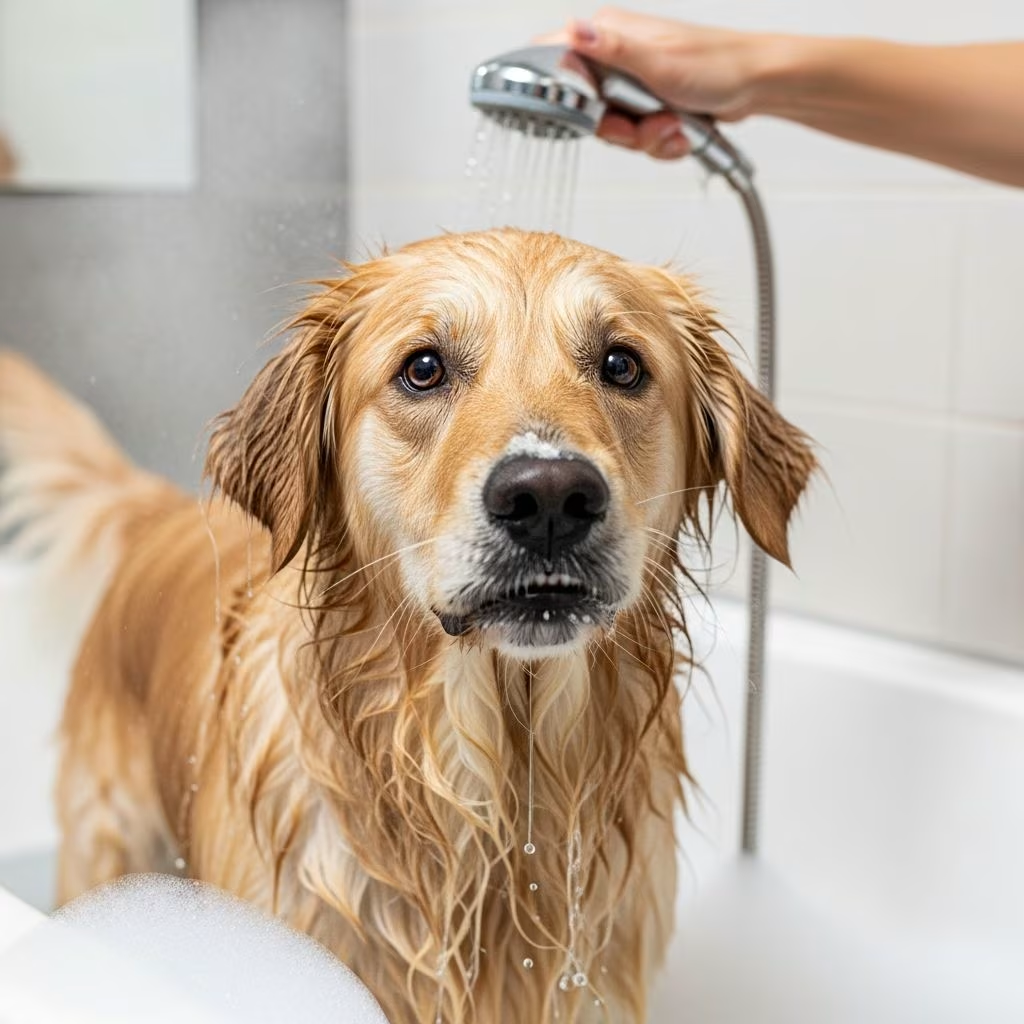
Many dog owners face the challenge of a pet that bolts at the mere sound of running water. While dogs joyfully splash in puddles or pools, the structured ritual of a bath often triggers anxiety or outright resistance. This common behavior stems from a mix of sensory overloads, psychological factors, and environmental cues that transform a simple cleaning session into a dreaded event.
Understanding the Roots of Bath Aversion
Dogs’ dislike for baths isn’t simply about water itself. Breeds known for water affinity, such as retrievers, frequently show reluctance during grooming time. Several interconnected reasons explain this phenomenon.
Past Negative Encounters
A single unpleasant experience can imprint a lasting fear. Incidents like slipping in the tub, inhaling water through the nose, or enduring shampoo that stings the eyes create strong negative memories. Even minor discomforts, such as overly hot water or abrupt handling during nail trims nearby, link bathing to pain or vulnerability in a dog’s mind.
Sensation of Helplessness
In natural play like swimming, dogs maintain autonomy over their movements. Baths strip this control, as owners position their bodies, pour water, and apply products. This enforced restraint mimics confinement, heightening stress hormones and triggering escape instincts.
The bathroom environment amplifies this: enclosed spaces with echoing sounds and slippery surfaces feel trapping. Dogs perceive limited exit options, intensifying their unease.
Novelty and Sensory Overload
Puppies or infrequently bathed adults encounter baths as alien ordeals. The rush of water, slippery soaps, unfamiliar scents from shampoos, and temperature fluctuations overwhelm their senses. Dogs rely heavily on smell and touch; disrupting their natural oils with strong fragrances alienates them further.
Owner’s Emotional Influence
Canines are masters at reading human cues. Tension, frustration, or rushed movements during bath prep signal danger to sensitive pets. A hurried owner wrestling a squirming dog reinforces the idea that baths equal chaos, perpetuating the cycle of dread.
Essential Bathing for Canine Health
Despite protests, regular cleaning benefits dogs profoundly. Contrary to myths, baths aren’t optional luxuries but necessities for well-being.
- Hygiene Protection: Accumulated dirt, dander, and allergens harbor bacteria, fostering infections or hot spots. Clean coats reduce parasite risks like fleas and ticks.
- Skin and Coat Integrity: Healthy fur insulates against temperature extremes. Matted long hair pulls painfully, impairs mobility, and traps moisture leading to dermatitis.
- Comfort Post-Cleanse: Freshly groomed dogs often exhibit relief, rolling happily or seeking affection, indicating they appreciate the outcome despite process aversion.
Bathing frequency varies by breed, lifestyle, and coat type. Short-haired, low-activity dogs thrive with monthly washes, while muddy adventurers or long-coated breeds need weekly attention. Over-bathing strips vital oils, causing dryness—aim for vet-recommended schedules.
Breed-Specific Bathing Considerations
Not all dogs face equal challenges. Understanding breed traits aids tailored approaches.
| Breed Type | Bath Needs | Common Issues |
|---|---|---|
| Short-Haired (e.g., Labs, Beagles) | Every 4-6 weeks | Minimal matting; dirt accumulation from play |
| Long-Haired (e.g., Shih Tzus, Collies) | Weekly or bi-weekly | Mats, tangles requiring conditioning |
| Water-Loving (e.g., Newfoundlands) | As needed post-swim | Chlorine/salt residue irritation |
| Hairless (e.g., Xoloitzcuintli) | Monthly with moisturizers | Skin oil buildup, acne prevention |
Consult breeders or vets for precise guidance, as individual health factors like allergies influence routines.
Proven Methods to Ease Bath Anxiety
Transforming bath time requires patience, positive reinforcement, and gradual desensitization. Start young for best results, introducing water play before formal baths.
Preparation Rituals
- Acclimate Gradually: Let dogs explore the empty tub with treats. Run water at a distance, rewarding calm behavior.
- Gear Up Right: Use non-slip mats, lukewarm water (around 100°F), and tear-free, oatmeal-based shampoos to minimize irritants.
- Timing Matters: Bathe when relaxed, post-walk but pre-meal, associating cleanliness with rewards.
During-Bath Strategies
Keep sessions short—5-10 minutes initially. Speak soothingly, offer toys or peanut butter licks for distraction. Massage gently to mimic petting, avoiding forceful holds. Rinse thoroughly to prevent residue itchiness.
Post-Bath Bliss
Towel-dry softly or use low-heat blow dryers with praise. Follow with play or walks to cement positive closure. Many dogs emerge energized, shaking off water in exuberant rolls.
Alternative Grooming Options
For extreme fears, consider dry shampoos, vet hydrobaths, or professional groomers with calming facilities. Waterless wipes suit spot cleans between full baths, preserving oils while refreshing.
- No-rinse sprays for quick odor control.
- Brushing distributes natural sebum, reducing bath dependency.
- Professional setups often include sedation options for severe cases—vet-approved only.
Frequently Asked Questions
Is it normal for dogs to hate baths?
Yes, most dogs resist due to instincts and experiences, though some tolerate or enjoy them.
How often should I bathe my dog?
Depends on coat and activity: 1-3 months for most, more for dirty or long-haired pups. Avoid excess to prevent dry skin.
What if my dog has bath trauma?
Desensitize slowly with rewards; seek trainer help for PTSD-like responses from abuse.
Do baths make dogs feel better?
The cleanliness does—lighter, itch-free coats improve mood, even if the process doesn’t.
Can I skip baths entirely?
No, as dirt buildup risks health issues like infections or mats. Alternatives help but don’t replace.
Long-Term Habits for Bath Success
Consistency builds tolerance. Track progress in a journal, noting triggers and wins. Involve family for uniform calm approaches. Over time, many dogs anticipate baths eagerly for the attention and treats.
For persistent issues, rule out medical causes like ear infections or skin conditions mimicking discomfort. Vets provide tailored shampoos or meds enhancing compliance.
Ultimately, viewing baths as bonding opportunities shifts dynamics. Patient owners report transformed pets, turning dread into delightful routines that strengthen companionship.
References
- Why Do Dogs Hate Baths? (& How to Bathe a Scared Dog) — Hill’s Pet. 2023. https://www.hillspet.com/dog-care/routine-care/why-do-dogs-hate-baths
- Why Do Dogs Hate Baths? — Ocean Breeze Animal Hospital (Jensen Beach Veterinary). 2024-11-01. https://www.jensenbeachveterinary.com/2024/11/01/why-do-dogs-hate-baths/
- Why Do Dogs Hate Baths? — Dogwood Animal Hospital. 2024-12-01. https://dogwoodanimalhospital.com/why-do-dogs-hate-baths/



