

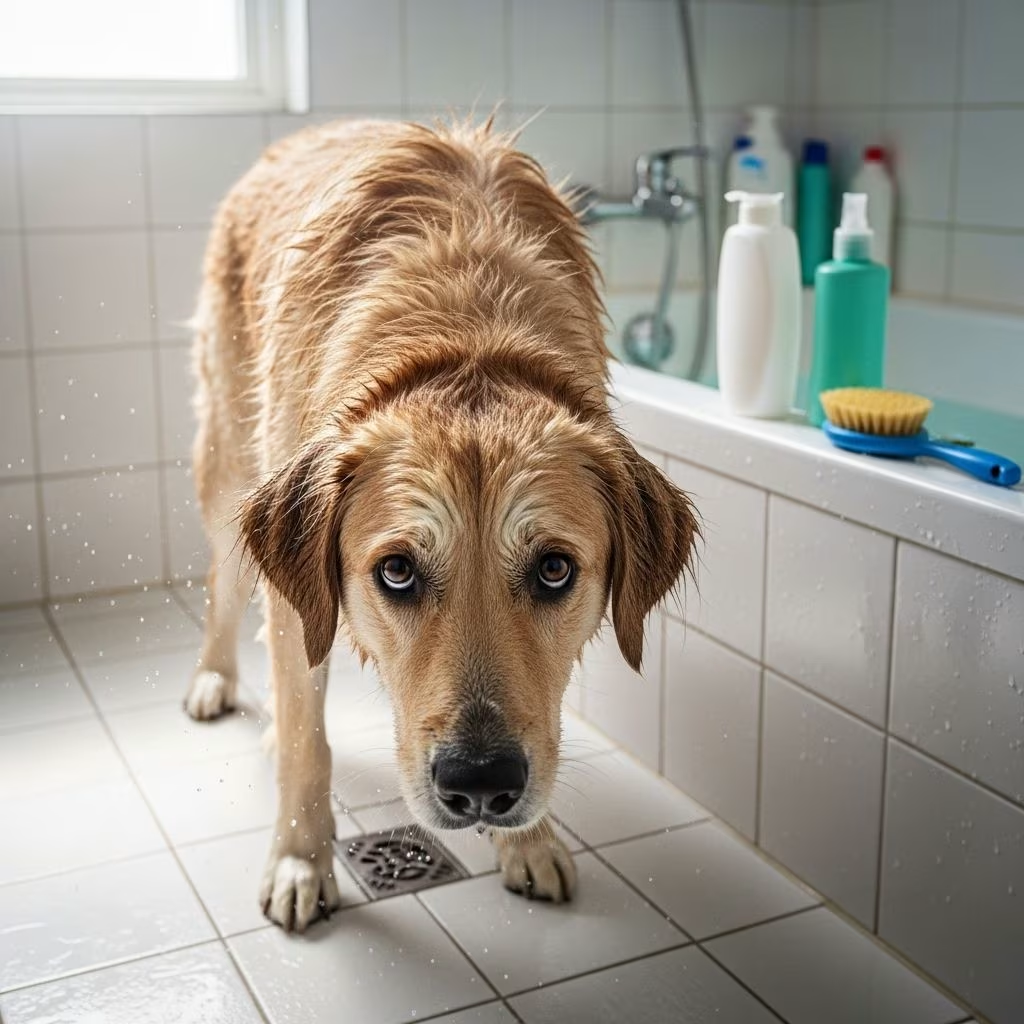
Many dogs exhibit strong resistance to bath time, often fleeing at the sight of a tub or whimpering at the sound of running water. This behavior stems from a combination of instinctual fears, past experiences, and environmental factors that make bathing feel threatening rather than routine.
Common Psychological Barriers to Bathing
Dogs process baths differently from humans, viewing them as unnatural and potentially hazardous events. Understanding these barriers is the first step toward helping your pet tolerate or even enjoy the process.
Fear Stemming from Lack of Control
One primary reason dogs resist baths is the sensation of being confined and handled without choice. Unlike voluntary activities like swimming in a pond, baths involve being lifted into an enclosed space and restrained, triggering a primal fear response. This loss of autonomy can elevate stress hormones, leading to panic, shaking, or attempts to escape.
- Physical restraint feels coercive, mimicking predatory capture in the wild.
- Dogs associate being held down with vulnerability, amplifying anxiety.
- Breeds with independent personalities, like hounds, often react more strongly to forced handling.
Negative Memories from Previous Encounters
Past traumatic events create lasting associations that dogs carry forward. A single incident, such as slipping on a wet surface, inhaling water through the nose, or experiencing stinging shampoo in the eyes, can imprint fear. Even mild discomforts like overly hot water or strong chemical smells reinforce avoidance behaviors over time.
Rescued dogs may harbor deeper traumas from abusive environments, where baths coincided with punishment, leading to conditioned dread.
Unfamiliar Sensations and Novelty
Puppies or infrequently bathed adults often balk at the novelty of water cascading over their bodies, slippery surfaces, and foamy textures. Dogs thrive on routine; sudden immersion disrupts their sense of security. Long-haired breeds face additional unease from matted fur becoming heavy and tangled when wet.
The Critical Role of Regular Bathing in Canine Health
Despite reluctance, bathing is essential for maintaining your dog’s well-being. Neglecting it leads to accumulation of dirt, oils, and allergens that compromise skin health and coat integrity.
| Health Risk | Consequences of Skipping Baths | Benefits of Regular Bathing |
|---|---|---|
| Skin Infections | Buildup of bacteria and yeast causes itching, hot spots, and chronic dermatitis. | Removes pathogens, reducing infection risk. |
| Parasite Infestations | Dirty coats attract fleas, ticks, and mites more easily. | Cleanses fur, aiding topical preventatives. |
| Coat Insulation Issues | Mats and debris impair temperature regulation in extreme weather. | Restores natural oils for better insulation. |
| Odor and Allergens | Dander spreads, worsening allergies for humans and pets. | Eliminates smells and airborne irritants. |
Veterinarians recommend bathing every 4-6 weeks, adjusted for breed, activity level, and coat type, using pH-balanced, dog-specific products to avoid drying out the skin.
Step-by-Step Strategies to Ease Bath Aversion
Transforming bath time requires patience, positive reinforcement, and gradual desensitization. Start small to rebuild trust and create new, favorable associations.
Preparation and Desensitization Techniques
Begin by acclimating your dog to bath-related stimuli outside the actual event. Play calm music near the tub, offer treats on the bathroom floor, and introduce lukewarm water trickles without full immersion.
- Place non-slip mats in the tub to prevent slips.
- Use lukewarm water only—test with your wrist.
- Gather all supplies beforehand: shampoo, conditioner, towels, and treats.
- Choose a quiet time when both you and your dog are relaxed.
Positive Reinforcement During the Bath
Reward every step to shift perceptions. Speak in a soothing tone, provide high-value treats like chicken bits for tolerance, and end with enthusiastic praise and play. Avoid forcing; if resistance peaks, pause and resume later.
- Pair tub entry with a favorite toy.
- Massage shampoo gently, turning it into a petting session.
- Rinse thoroughly to prevent residue irritation.
Alternative Bathing Methods for Extreme Cases
For highly fearful dogs, consider dry shampoos, waterless wipes, or professional grooming services. Mobile groomers bring equipment to familiar environments, minimizing travel stress. Hydrobaths or elevated tubs can reduce bending and confinement feelings.
Breed-Specific Bathing Considerations
Different breeds have unique needs influencing bath tolerance and frequency.
- Water-Loving Breeds (e.g., Labs, Retrievers): Often enjoy water play but dislike forced baths due to handling; use pool-like setups.
- Long-Coated Breeds (e.g., Shih Tzus, Collies): Prone to matting; bathe bi-weekly with detangling conditioners.
- Short-Haired Breeds (e.g., Beagles, Boxers): Less frequent baths suffice, but shedding control requires regular washing.
- Shedding Heavyweights (e.g., Huskies, German Shepherds): Focus on brushing between baths to manage undercoat buildup.
Owner Influence on Bath Time Dynamics
Dogs mirror human emotions; tension, rushing, or frustration signals danger. Approach with calm confidence—deep breaths help. If baths overwhelm you, enlist help from family or professionals.
Consistent positivity builds resilience. Over time, many dogs anticipate baths for the treats and attention, turning dread into delight.
FAQs: Bathing Reluctant Dogs
How often should I bathe my dog?
Every 4-8 weeks, or more for active or oily-coated dogs. Overbathing strips natural oils, causing dryness.
What if my dog has skin allergies?
Use hypoallergenic, oatmeal-based shampoos and consult a vet for medicated options.
Can I use human shampoo on my dog?
No—human products disrupt canine skin pH, leading to irritation.
Is professional grooming better for bath-haters?
Yes, for severe cases; groomers use sedation-free calming techniques and specialized equipment.
What treats work best for bath rewards?
Soft, smelly options like peanut butter-stuffed Kongs or freeze-dried liver keep focus during washing.
Long-Term Grooming Routines for Success
Integrate baths into a holistic care plan: weekly brushing, monthly ear cleaning, nail trims, and dental chews. Track progress in a journal to note improvements and adjust methods.
For puppies, introduce baths at 8 weeks with playful sessions to prevent lifelong aversion. Senior dogs benefit from gentle, seated bathing to accommodate mobility issues.
Ultimately, viewing bath time as bonding rather than chore fosters mutual trust. With persistence, even the most stubborn bath avoiders can adapt.
References
- Why Do Dogs Hate Baths? — Ocean Breeze Animal Hospital (Jensen Beach Veterinary). 2024-11-01. https://www.jensenbeachveterinary.com/2024/11/01/why-do-dogs-hate-baths/
- Why Do Dogs Hate Baths? (& How to Bathe a Scared Dog) — Hill’s Pet. Accessed 2026. https://www.hillspet.com/dog-care/routine-care/why-do-dogs-hate-baths
- Why Do Dogs Hate Baths? — Firth Veterinary Hospital. 2024-11-01. https://www.firthvet.com/2024/11/01/why-do-dogs-hate-baths/
- Why Do Dogs Hate Baths? — Dogwood Animal Hospital. Accessed 2026. https://dogwoodanimalhospital.com/why-do-dogs-hate-baths/



