

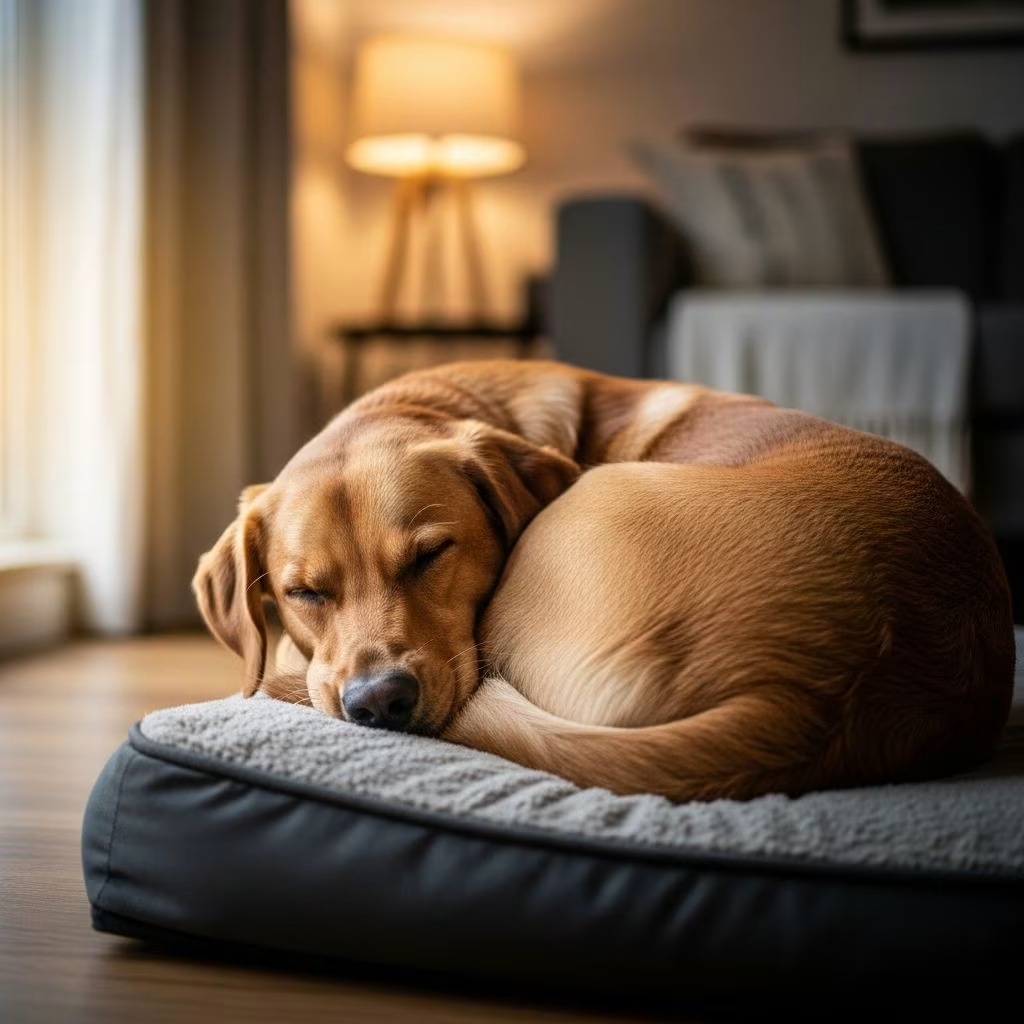
Dogs often adopt a tight, circular sleeping posture, tucking their paws and nose close to their body. This behavior stems from a combination of physiological needs, evolutionary instincts, and personal comfort preferences.
The Evolutionary Roots of Curled Sleeping
Wild ancestors of modern dogs, such as wolves, sought shelter in dens or burrows to survive harsh conditions. Curling into a compact shape minimized exposure to cold winds and conserved essential body heat during rest periods. Even in domesticated settings with climate-controlled homes, this ancient trait persists as an ingrained survival mechanism.
Archaeological evidence and studies on feral dog packs show that nesting behaviors, including circling before lying down, help pat the ground flat and check for threats. Domestic dogs replicate this by pawing at blankets, creating a secure “nest” that echoes their forebears’ habits.
Thermoregulation: Staying Warm in a Ball
The primary practical benefit of curling up is heat retention. By drawing limbs inward and covering the nose with the tail, dogs reduce their surface area exposed to the air, trapping warmth close to vital organs. This is particularly evident in cooler environments or among smaller breeds with higher surface-to-volume ratios that lose heat faster.
During winter months or in drafty spaces, observe how dogs tighten their curl; in contrast, warmer conditions prompt stretching out. Veterinary recommendations include providing insulated bedding to support this natural thermoregulation without forcing unnatural positions.
Protection and Security Instincts
Curling exposes fewer vulnerable areas like the abdomen and throat, a defensive posture inherited from times when predators posed real dangers. In safe homes, this position still provides psychological reassurance, especially for rescue dogs or those in new environments.
Shelter animals frequently adopt this pose amid unfamiliar noises and scents, signaling stress reduction through self-protection. Owners note that anxious pets relax more with familiar scents or companions nearby, reinforcing the security aspect of this sleep style.
Comfort and Individual Preferences
Beyond instincts, dogs curl up simply because it feels good. The rounded shape aligns with their flexible spine and muscle memory, offering ergonomic support. What appears cramped to humans cradles pressure points effectively for canines.
Factors like age influence this: puppies may sprawl due to developing joints, while seniors curl for joint relief. Breed traits play a role too—short-nosed breeds like Bulldogs favor looser curls, whereas long-bodied Dachshunds perfect the tight ball.
Common Dog Sleep Positions Explained
Dogs exhibit diverse sleep postures, each conveying different states of mind and body. Understanding these helps owners gauge health and happiness.
- Donut or Ball Curl: Tightly wound with tail over nose; indicates chill, caution, or cozy preference. Common in chilly weather or timid dogs.
- Superman: Belly-down, legs extended; shows high energy and quick alertness, typical for playful pups ready to spring up.
- Side Splatter: Legs outstretched sideways; full relaxation in trusted spaces, allowing deep REM sleep cycles.
- Back-Up (Paws in Air): Supine with belly exposed; ultimate trust and cooling method, as sparse belly fur aids heat dissipation.
- Burrower: Nuzzled under blankets; seeks den-like security, often seen in cold-sensitive or den-loving breeds.
- Back-to-Back Snuggle: Pressed against owners or pack mates; fosters bonding and shared warmth, reducing separation anxiety.
| Position | Meaning | Best Bed Type |
|---|---|---|
| Donut Curl | Warmth/Security | Bolstered donut bed |
| Superman | Alert/Playful | Flat orthopedic mat |
| Side Splatter | Relaxed | Thick memory foam |
| Back-Up | Trust/Cooling | Cooling gel pad |
| Burrower | Comfort Seeking | Blanket-pile crate |
How Sleep Positions Signal Health
Consistent positions offer wellness insights. Frequent tight curls in warm weather might indicate pain, prompting a vet visit for arthritis checks. Sudden shifts from sprawling to curling could signal anxiety or illness.
American Kennel Club guidelines emphasize monitoring for labored breathing or restlessness alongside positions. Puppies sleeping Superman-style grow out of it as bones strengthen, while persistent belly-sleeping in adults may highlight cooling needs.
Optimizing Your Dog’s Sleep Environment
Enhance rest by matching bedding to habits. Curled sleepers thrive on elevated bolsters that support the head and neck without restricting movement.
- Choose size-appropriate beds allowing full stretch-outs.
- Use washable, hypoallergenic fills for allergy-prone pups.
- Position beds away from high-traffic zones for uninterrupted sleep.
- Incorporate calming aids like pheromone diffusers for anxious curlers.
Maintain 12-14 hours of daily sleep for adults, more for young or senior dogs. Consistent routines build better habits.
Breed-Specific Sleeping Tendencies
Physical builds dictate preferences. brachycephalic (flat-faced) dogs like Pugs curl loosely to ease breathing. Sighthounds such as Greyhounds stretch due to lean frames, but chill and curl in cold.
Small breeds like Chihuahuas default to balls for warmth, while large ones like Labs mix positions based on mood. Observational studies confirm these patterns across 10,000+ dogs.
FAQs on Dog Sleeping Behaviors
Why does my dog circle before curling up?
This imprints scent, evens the surface, and scans for dangers—pure instinct.
Is curled sleeping a sign of cold or fear?
Often both, but context matters: shivering suggests cold; trembling indicates fear.
Can I train my dog out of curling?
No need—it’s natural. Provide options and let them choose for best health.
What if my dog suddenly curls tightly?
Monitor for pain or stress; consult a vet if persistent.
Do all dogs curl up the same way?
No, variations reflect breed, age, and personality.
Enhancing Bonding Through Sleep Habits
Inviting dogs to co-sleep builds trust, often leading to back-to-back curls. Respect boundaries—some prefer solitude. Shared routines strengthen pack dynamics.
Research from veterinary behaviorists shows secure sleepers exhibit fewer daytime issues like barking.
References
- This May Be the Reason Your Dog Curls Up to Sleep — Rover.com. 2023-10-15. https://www.rover.com/blog/may-reason-dog-curls-sleep/
- Dog Sleeping Positions: What They Mean — NaturVet. 2024-05-22. https://naturvet.com/blogs/tips-and-tricks/dog-sleeping-positions-what-they-mean
- 11 Dog Sleeping Positions: What Do They Mean? — Purina UK. 2025-01-10. https://www.purina.co.uk/articles/dogs/behaviour/common-questions/dog-sleeping-positions
- Dog Sleep Habits And Positions: Everything Pet Owners… — Newton Baby. 2024-08-05. https://www.newtonbaby.com/blogs/hush/dog-sleep
- 6 Dog Sleeping Positions and What They Mean — PetMD. 2025-02-18. https://www.petmd.com/dog/general-health/dog-sleeping-positions-and-what-they-mean



