

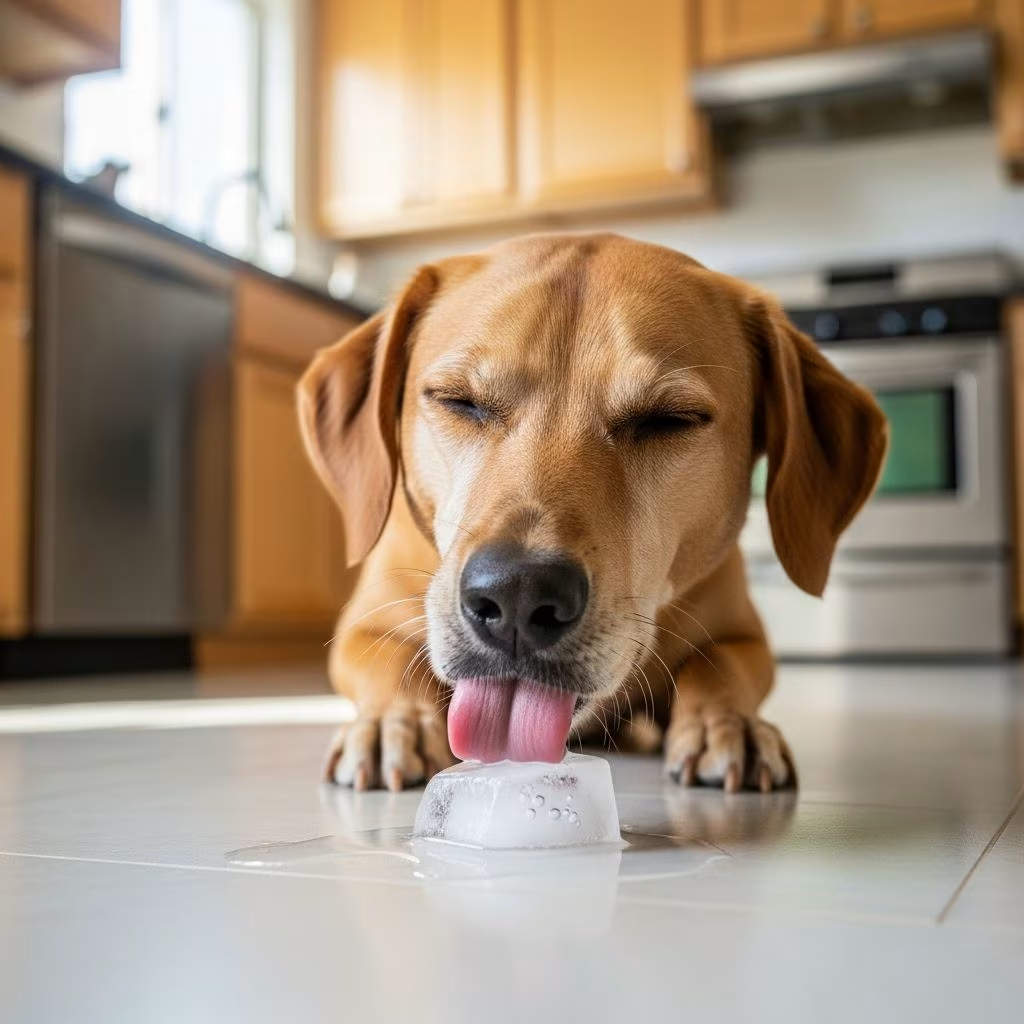
Dogs often display an intense fascination with ice, eagerly chasing cubes across the floor, crunching them with gusto, or licking them until they vanish. This behavior stems from a mix of physiological needs, sensory pleasures, and innate playfulness, making ice a multifaceted treat for many canines.
The Science of Canine Cooling: How Ice Helps Dogs Beat the Heat
Dogs regulate body temperature differently from humans, primarily through panting and limited sweating via paw pads, which makes them prone to overheating during warm weather. Normal canine body temperature ranges from 100.2°F to 103.8°F, and activities like playing outdoors can quickly elevate it. Chewing or licking ice provides rapid cooling as the frozen water melts, delivering cold directly to the mouth and aiding hydration through the trickle of water.
This instinctual draw to cold objects mirrors wild ancestors seeking shaded streams or cool earth for relief. In modern homes, the freezer becomes a treasure trove, with dogs positioning themselves near the ice dispenser, anticipating a chilly reward.
Sensory Delights: Texture, Sound, and the Joy of Crunching
The tactile and auditory experiences of ice captivate dogs. The hard, slippery surface offers a satisfying rasp against teeth, similar to gnawing bones, creating entrancing scraping noises that entertain their acute hearing. As ice cracks and shatters, it produces stimulating sounds that heighten excitement, turning a simple cube into an interactive toy.
For teething puppies or dogs with sore gums, the numbness from cold soothes discomfort, much like frozen teething rings for human infants. Adult dogs relish the novel texture—cold, smooth, then brittle—providing endless chewing satisfaction without the calories of typical treats.
Mental and Emotional Benefits: Stress Relief and Enrichment
Chewing ice serves as a natural stress reliever, akin to how wild canids gnaw bones to unwind. This repetitive action releases endorphins, calming anxious pups during thunderstorms or separation. It also combats boredom by occupying curious minds; dogs investigate ice by mouthing it, puzzled by its melting disappearance, which lacks scientific explanation for them but sparks prolonged engagement.
Mental stimulation is crucial for canine health. Pursuing sliding ice mimics hunting games, exercising both body and brain while preventing destructive behaviors like shoe chewing. Owners report dogs entering a hypnotic state, fully absorbed in the task, which promotes overall well-being.
Hydration Hacks: Turning Picky Drinkers into Hydrated Pups
Some dogs shun plain water, especially finicky eaters or those recovering from illness. Ice appeals to these pups, as the crunching entices them to consume more fluids indirectly. As it melts, they lap up the water, achieving hydration without gulping large volumes that might cause vomiting.
Post-surgery or during fevers, vets recommend ice for gradual rehydration and temperature control, as licking prevents stomach overload. Flavored ice—made with dog-safe broths—further encourages intake, blending utility with palatability.
Playtime Perks: Ice as the Ultimate Interactive Toy
Sliding ice cubes transform kitchens into playgrounds. Dogs pounce, bat, and chase the elusive frozen orbs, enjoying the unpredictability as they skid and melt. This low-cost game rivals fetch, providing aerobic exercise and preventing indoor messes if taken outdoors.
Not all dogs fancy ice; preferences vary by texture sensitivity or past associations. Enthusiastic offering by owners can condition positive responses, turning neutral pups into fans.
Safety First: Guidelines for Sharing Ice with Your Dog
Plain ice is generally safe in moderation, but risks exist. Large cubes pose choking hazards, especially for small breeds; shatter them into manageable pieces. Older dogs risk tooth fractures on hard ice, as enamel weakens with age—opt for softer frozen treats.
- Supervise always: Prevent gulping whole pieces that could block airways.
- Size appropriately: Match cube size to jaw capacity; small dogs need pea-sized bits.
- Avoid contaminants: Use filtered water or fresh freezer ice, skipping reused drink ice.
- Monitor for issues: Excessive intake may upset stomachs; watch for diarrhea.
For hot days, combine ice with cooling mats or shaded areas, as ice alone isn’t the fastest chiller—panting remains primary.
Enhancing the Experience: Creative Ice Treat Recipes
| Treat Type | Ingredients | Benefits | Prep Time |
|---|---|---|---|
| Basic Broth Cubes | Low-sodium chicken broth, water | Hydration, flavor boost | 5 minutes + freeze |
| Fruit Freeze | Watermelon (seedless), plain water | Cooling, antioxidants | 10 minutes + freeze |
| Peanut Butter Pops | Dog-safe PB, yogurt, water | Stress relief, dental aid | 15 minutes + freeze |
| Herb Hydrator | Mint leaves, water | Refreshing, breath freshener | 5 minutes + freeze |
These recipes elevate plain ice, infusing nutrients while maintaining safety. Freeze in silicone molds for easy release and portion control.
Breed and Age Considerations: Who Loves Ice Most?
Brachycephalic breeds like Bulldogs pant inefficiently, making ice extra vital for cooling. Puppies crave it for teething, seniors for gentler gum relief. High-energy breeds like Labs turn it into marathon games, while sedate ones prefer licking.
Observe your dog’s cues: enthusiastic crunchers get regular access; indifferent ones skip it. Tailor to individual needs for maximum joy.
Common Myths Busted: Separating Fact from Fiction
- Myth: Ice causes bloat. No evidence; small amounts are safe.
- Myth: All dogs love it universally. Preferences vary; some dislike cold.
- Myth: It’s a complete hydration solution. Supplements, doesn’t replace water bowls.
FAQs: Your Ice-Related Dog Questions Answered
Is ice bad for dogs’ teeth?
Occasional crunching is fine for healthy adults, but seniors or those with dental issues should stick to softer options to avoid cracks.
Can I give my dog ice every day?
Moderation is key—1-2 small cubes daily prevents issues while providing fun.
Why does my dog chase ice but not eat it?
Play instinct dominates; melting intrigues without full consumption.
Is flavored ice safe?
Use vet-approved, sugar-free additives like plain broth; avoid toxic human flavors.
What if my dog swallows ice whole?
Monitor for choking; induce smaller pieces next time and supervise closely.
Expert Insights: What Vets Say About Ice Habits
Veterinarians endorse ice as a healthy, low-calorie treat for cooling and enrichment, emphasizing supervision and dental checks for longevity. Integrating it into routines enhances pet-owner bonds through shared play.
References
- Why Does My Dog Love Ice? The Chilling Truth Behind Their Obsession — Oreate AI. 2024. https://www.oreateai.com/blog/why-does-my-dog-love-ice-the-chilling-truth-behind-their-obsession/082047b727b499337b26fe530c379908
- Why Do Dogs Like Eating Ice — WagWalking. 2023-10-15. https://wagwalking.com/behavior/why-do-dogs-like-eating-ice
- Why Do Dogs Like Ice? 5 Vet-Approved Reasons — Dogster. 2024-06-20. https://www.dogster.com/lifestyle/why-do-dogs-like-ice
- Why Do Dogs Like Ice Cubes? — Inkopious. 2024. https://inkopious.com/blogs/articles/why-do-dogs-like-ice-cubes
- Why Do Dogs Like Ice Cubes? — Rover.com. 2023-08-10. https://www.rover.com/blog/dogs-like-ice-cubes/
- Ice Cubes for Dogs — Blue Cross. 2024-07-05. https://www.bluecross.org.uk/advice/dog/ice-cubes-for-dogs



