

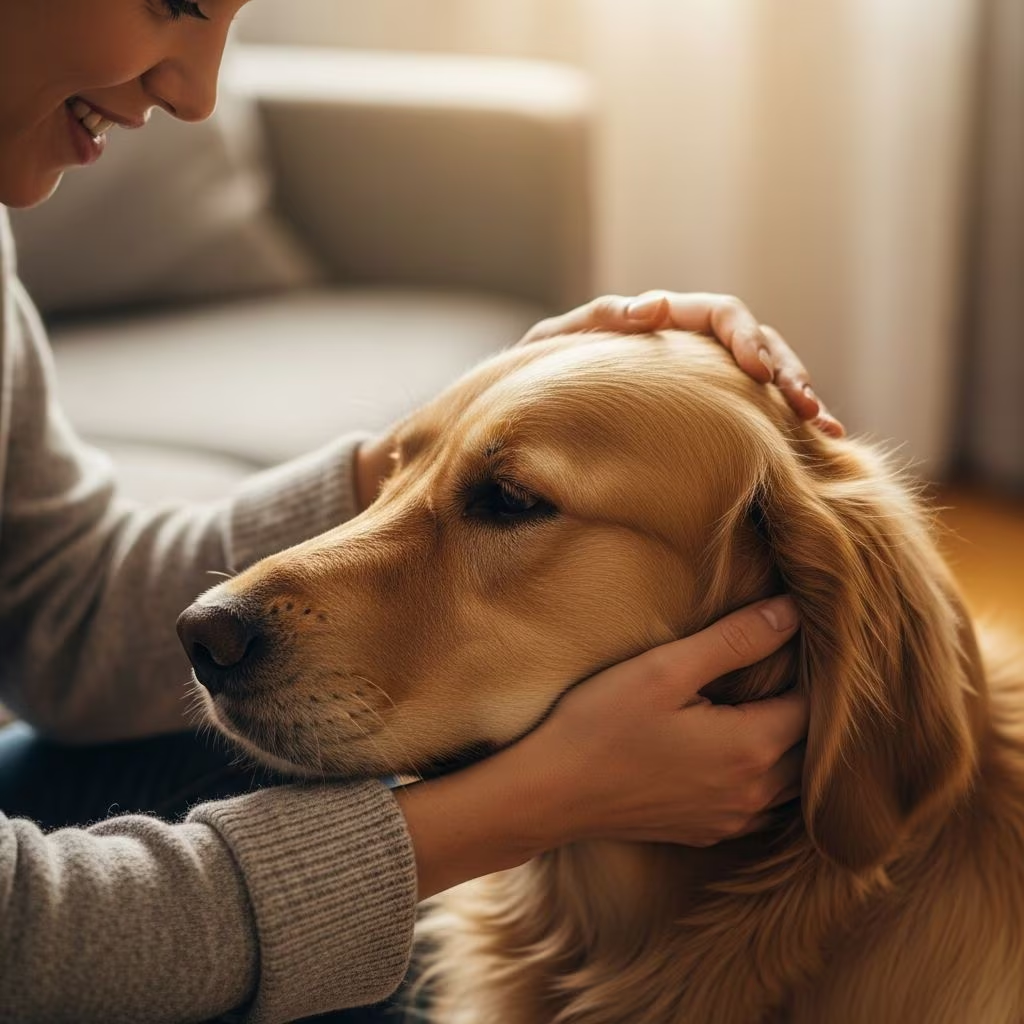
Dogs display an unmistakable enthusiasm for physical affection from humans, often leaning into strokes or nudging for more. This preference stems from a combination of evolutionary biology, neurological responses, and social conditioning that makes petting a rewarding experience for them.
The Biological Foundations of Canine Affection
At the heart of a dog’s enjoyment of petting lies the release of oxytocin, commonly known as the ‘love hormone.’ This chemical facilitates bonding and trust, mirroring interactions between mothers and infants. When humans gently stroke dogs, both parties experience elevated oxytocin levels, fostering a sense of security and attachment.
Research indicates that this hormone surge occurs through gentle tactile stimulation, reducing cortisol—the primary stress hormone—in dogs and owners alike. For instance, studies on human-dog interactions show decreased blood pressure and calmer states post-petting, akin to nurturing behaviors in mammalian species.
Neurologically, dogs possess specialized nerve endings, such as those akin to MRGPRB4 cells observed in rodents, which activate pleasure signals during massage-like strokes but not from rough handling. This selective response explains why soft, rhythmic petting elicits contentment rather than mere tolerance.
Evolutionary Roots in Pack Dynamics
Dogs descend from wolves, pack animals where grooming reinforces hierarchy and unity. Petting mimics allogrooming, where pack members lick or nibble to affirm bonds and alleviate tension. In domestic settings, human touch fulfills this innate need, positioning owners as trusted pack leaders.
This evolutionary holdover makes petting a communication tool. A dog nudging for attention signals trust and a desire for reaffirmation within the ‘pack,’ strengthening loyalty and reducing isolation feelings common in solitary confinement scenarios.
Stress Reduction and Emotional Well-Being
Petting serves as a potent stress reliever for dogs facing anxiety triggers like thunderstorms, travel, or separation. Slow, deliberate strokes along the back or flanks lower heart rates and promote relaxation by modulating the autonomic nervous system.
- Calming Effects: Rhythmic petting slows breathing and eases muscle tension, ideal during fireworks or vet visits.
- Hormonal Balance: Oxytocin counters cortisol, preventing chronic stress that leads to behavioral issues like excessive barking.
- Comfort in Novelty: In unfamiliar environments, touch provides security, helping dogs adapt faster.
Owners benefit similarly; a mere 10 minutes of daily petting significantly drops human cortisol, enhancing mutual mental health.
Petting as Positive Reinforcement in Training
Beyond pleasure, petting reinforces desired behaviors effectively. Pairing strokes with commands like ‘sit’ or ‘stay’ links obedience to reward, more impactfully than verbal praise alone due to dogs’ tactile orientation.
| Behavior | Petting Technique | Benefit |
|---|---|---|
| Calm Greeting | Chest scratches | Encourages polite approaches |
| Leash Walking | Shoulder pats | Promotes steady pace |
| Recall Command | Full-body strokes | Builds enthusiastic returns |
Consistent application yields well-mannered dogs, as they associate good conduct with affectionate feedback, accelerating learning curves.
Optimal Petting Techniques for Maximum Enjoyment
Not all touches are equal; dogs have preference zones and aversion spots. Focus on areas like the chest, base of ears, and upper back, avoiding sensitive paws, tails, or muzzles unless invited.
- Assess Mood: Look for relaxed ears, soft eyes, and loose posture indicating readiness.
- Use Firm Yet Gentle Pressure: Light scratches mimic grooming; too soft feels ticklish, too hard irritates.
- Maintain Rhythm: Steady, flowing motions simulate natural interactions, prolonging engagement.
- Respect Signals: Yawning, lip-licking, or turning away means stop immediately.
Breed variations exist—herding dogs favor brisk rubs, while lap breeds prefer lingering caresses—tailoring enhances reciprocity.
Health Benefits Beyond Emotional Comfort
Regular petting supports physical wellness by stimulating blood flow and distributing natural oils for coat health. It also aids in early detection of lumps or injuries through routine handling.
In therapeutic contexts, petting dogs lowers blood pressure and combats depression in humans, while providing canine counterparts with routine that combats boredom-induced issues like destructive chewing.
Comparing Pet Preferences Across Breeds
| Breed Type | Preferred Spots | Sensitivity Level |
|---|---|---|
| Hound | Neck, flanks | Low—enjoys vigorous strokes |
| Terrier | Ears, belly | Medium—mix firm and light |
| Toy | Back, head | High—gentle only |
When Dogs Reject Petting: Understanding Boundaries
Not every dog seeks touch universally; past trauma, pain, or overstimulation can cause aversion. Signs include stiffening, growling, or evasion—respecting these prevents escalation.
- Build gradually with treats alongside touch.
- Consult vets for underlying medical causes.
- Opt for passive proximity if direct contact overwhelms.
The Mutual Rewards of Human-Dog Touch
Petting transcends one-sided pleasure; it’s symbiotic. Dogs gain security, humans receive stress relief and companionship. This reciprocity underpins pet therapy’s efficacy in hospitals and schools, where interactions boost oxytocin bilaterally.
FAQs
Why does my dog lean into my hand when I pet them?
This indicates trust and a request for more affection, releasing oxytocin to reinforce the bond.
Can petting reduce my dog’s separation anxiety?
Yes, regular sessions build security, easing distress when alone by associating touch with calm.
How long should I pet my dog daily?
10-15 minutes suffices for hormonal benefits, but observe for satiety cues.
What if my dog doesn’t like belly rubs?
Some view it as vulnerable; switch to preferred areas like shoulders.
Does petting help with dog training?
Absolutely, as tactile reinforcement solidifies commands more enduringly than words alone.
References
- Pet Therapy: The Science Behind Petting Animals — UCI Morning Sign Out. 2019-07-16. https://sites.uci.edu/morningsignout/2019/07/16/pet-therapy-the-science-behind-petting-animals/
- Why Do Dogs Like to be Pet? — Lake City Animal Hospital. N/A. https://lakecityanimalhospital.com/blog/why-do-dogs-like-to-be-pet/
- Why Do Animals Like Being Pet? — Dr. Bill’s Pet Nutrition. N/A. https://drbillspetnutrition.com/why-do-animals-like-being-pet/
- The Science Behind Our Love for Pets — Hill’s Pet. N/A. https://www.hillspet.com/pet-care/behavior-appearance/why-humans-love-pets
- The Power of Pets — NIH News in Health. 2018-02. https://newsinhealth.nih.gov/2018/02/power-pets



