

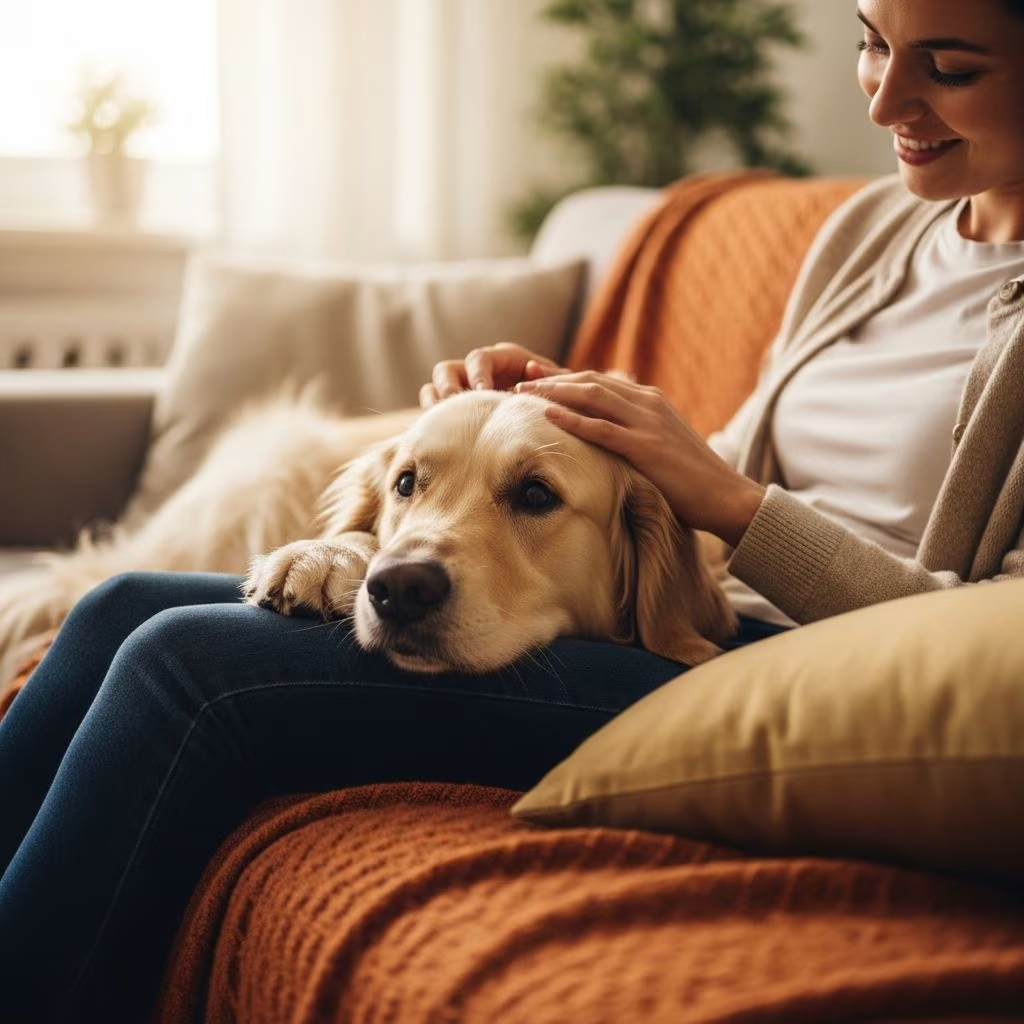
Dogs have an innate desire to press close to their human companions, turning everyday moments into heartfelt connections. This behavior stems from deep-rooted instincts and biological responses that benefit both dog and owner.
The Evolutionary Roots of Canine Closeness
Domestic dogs descend from wolves, pack animals that huddled together for survival. In the wild, wolves slept in tight groups to conserve body heat and ward off predators, fostering group cohesion. Modern dogs retain this trait, viewing their human family as their pack. When a dog nestles against you, it signals inclusion in this vital social unit, promoting security and unity.
Genetic studies reveal specific mutations in dogs’ DNA, such as in the GTF2I and GTF2IRD1 genes, that enhance sociability compared to their wolf relatives. These changes make dogs particularly attuned to human interaction, driving their preference for physical proximity over independence.
Hormonal Magic: Oxytocin’s Role in Snuggles
One of the most compelling reasons dogs love cuddling is the release of oxytocin, often called the “love hormone.” This neurotransmitter surges in both dogs and humans during affectionate contact, like petting or eye gazing. Research shows that just 30 minutes of mutual staring between a dog and its owner can double oxytocin levels, strengthening emotional ties similar to parent-child bonds.
Oxytocin reduces stress by lowering cortisol, slows heart rates, and elevates feelings of trust and empathy. For dogs, this hormone reinforces their attachment to you, while humans experience reduced anxiety and improved mood. Petting also triggers dopamine and endorphins, amplifying pleasure for both parties.
Seeking Warmth, Scent, and Ultimate Safety
Dogs maintain a body temperature slightly higher than humans—around 101-102.5°F—making your warmer body an inviting spot, especially in cooler environments. Beyond thermoregulation, your unique scent acts as a comforting anchor. Dogs possess an extraordinary sense of smell, and familiar human odors evoke positive associations from shared experiences.
Cuddling represents profound trust. In nature, vulnerable sleep positions near others indicate complete faith in their protection. A dog dozing on your lap or beside you is affirming your role as their safe haven, a gesture of unwavering loyalty.
Health Advantages for Humans and Dogs Alike
Regular cuddling sessions offer tangible wellness gains. For owners, interaction with dogs lowers blood pressure, eases anxiety, and combats depression through neurotransmitter release. It fulfills the human need for touch, proven to soothe even in high-stress settings like prisons.
Dogs benefit similarly: oxytocin calms them, reducing separation anxiety and promoting emotional stability. Daily affection routines enhance overall pet security, mirroring pack dynamics that prevent isolation-related issues.
| Benefit | For Humans | For Dogs |
|---|---|---|
| Stress Reduction | Lowers cortisol and heart rate | Decreases anxiety via oxytocin |
| Mood Enhancement | Boosts dopamine/serotonin | Strengthens pack bonds |
| Physical Health | Regulates blood pressure | Promotes sense of safety |
Deciphering Your Dog’s Cuddle Signals
- Leaning or Paw Placement: A direct bid for attention and connection, showing dependence.
- Sighing or Relaxed Posture: Contentment and deep comfort in your presence.
- Following You Room-to-Room: Shadowing behavior rooted in pack loyalty.
- Licking: Grooming instinct combined with affection and scent marking.
- Burrowing Under Covers: Seeking enclosed warmth mimicking den safety.
These nonverbal cues communicate love in a dog’s language, far beyond vocalizations.
Individual Variations: Why Some Dogs Cuddle More
Not all dogs are equal cuddlers. Breeds like Labrador Retrievers or Cavalier King Charles Spaniels often seek laps, while independent types like some herding breeds prefer nearby vigilance. Early socialization, past experiences, and personality influence this. Puppies learn affection from litter interactions, carrying it into adulthood.
Age matters too: seniors may cuddle more for comfort, while energetic youths balance snuggles with play. Health conditions, like arthritis, can alter preferences—gentle stroking becomes key.
Enhancing Your Cuddle Bond: Practical Tips
To deepen this connection:
- Respect Boundaries: Let your dog initiate; forced hugs can stress them.
- Create Rituals: Evening wind-downs build anticipation.
- Use Positive Reinforcement: Treats during calm contact encourage repetition.
- Mind the Environment: Cozy beds or blankets invite closeness.
- Monitor Body Language: Yawning or lip-licking signals overload—give space.
These steps ensure cuddles remain enjoyable, avoiding discomfort.
Potential Pitfalls and When to Pause
While cuddling is generally positive, watch for signs of aversion like stiffening, growling, or avoidance. Some dogs dislike hugs due to feeling trapped, preferring petting instead. Over-stimulation during high-energy times can lead to nipping. Consult a vet or trainer if sudden changes occur, ruling out pain or anxiety disorders.
FAQs
Do all dogs enjoy cuddling?
No, preferences vary by breed, personality, and experiences. Observe your dog’s responses to tailor interactions.
Is cuddling healthy for my dog?
Yes, it releases oxytocin, reducing stress and bolstering emotional health when consensual.
Why does my dog cuddle more at night?
Nights mimic ancestral pack huddling for warmth and protection, heightening security needs.
Can cuddling replace exercise?
No, but it complements physical activity by aiding mental well-being.
How much cuddling is too much?
Balance with independence; excessive can foster clinginess. Aim for quality over quantity.
References
- The Science of Snuggles: Why Dogs Love Being Close to You — Sniff and Bark. 2023. https://sniffandbark.com.co/blogs/news/the-science-of-snuggles-why-dogs-love-being-close-to-you
- 5 Scientific Reasons to Cuddle With Your Pet Every Day — River Landings Animal Clinic. 2022. http://www.riverlandingsanimalclinic.com/news/5-scientific-reasons-to-cuddle-with-your-pet-every-day
- Does my dog love me? Here’s how to know for sure — BBC Science Focus Magazine. 2023. https://www.sciencefocus.com/nature/does-my-dog-love-me
- Cuddling With Pets — FOUR PAWS International. 2024. https://www.four-paws.org/our-stories/publications-guides/cuddling-with-pets
- Hug Your Dog Day: The Mood Boosting Benefits of Pets — Summit Medical. 2024. https://www.summitmedical.com/blog/dogday2024



