

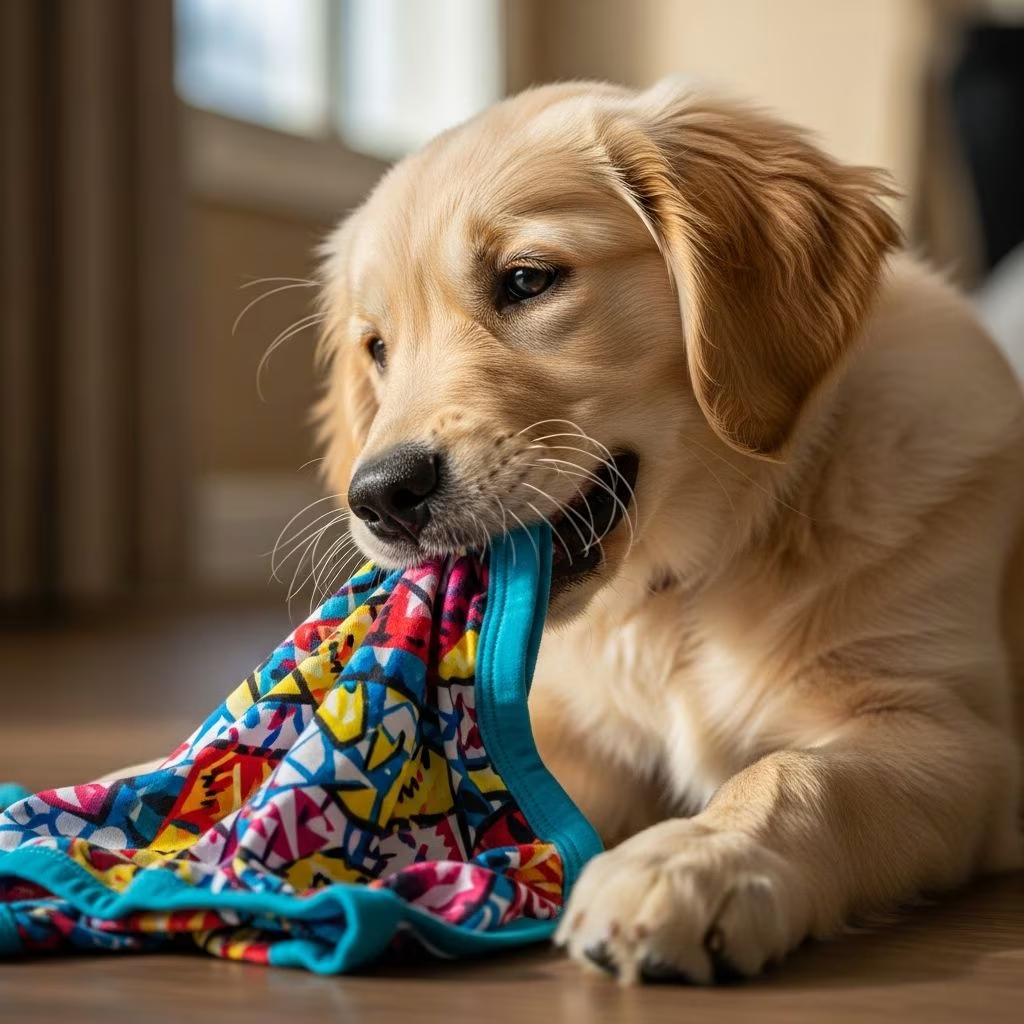
Dogs often target underwear due to its strong scent, appealing texture, and emotional connections to their owners, but this behavior can lead to serious health issues like digestive blockages.
The Powerful Pull of Scent and Familiarity
One primary driver is a dog’s extraordinary sense of smell, which is thousands of times more sensitive than a human’s. Underwear absorbs body odors, sweat, and pheromones from close contact with the skin, making it irresistibly attractive. This scent provides comfort, reminding dogs of their beloved family members and offering a sense of security, especially when owners are away.
For many pets, this isn’t just casual sniffing—it’s a way to bond. Veterinary experts note that the familiar aroma acts like a security blanket, drawing dogs back repeatedly to chew and sometimes ingest pieces.
Chewing as Instinct and Relief
Chewing satisfies deep-rooted instincts. Puppies, particularly those teething between 3-6 months, seek out soft, fabric items to soothe sore gums. Adult dogs may chew for jaw exercise, stress relief, or simple enjoyment of the texture.
- Teething discomfort: Emerging teeth cause itching and pain, leading pups to gnaw on anything accessible.
- Boredom relief: Without stimulation, dogs redirect energy toward household items.
- Texture appeal: Elastic bands and soft cotton mimic chew toys.
Emotional Factors: Anxiety and Stress
Separation anxiety or environmental changes can trigger destructive chewing. Dogs may consume underwear to cope with loneliness, mimicking self-soothing behaviors seen in wild canines covering scents.
High-energy breeds like Labradors are prone if exercise is insufficient, channeling bottled-up energy into mischief. Sudden routine shifts, such as new work schedules, exacerbate this.
Medical Concerns: Pica and Nutritional Gaps
Pica, a disorder involving compulsive eating of non-food items, underlies some cases. It stems from anxiety, nutritional deficiencies, or gastrointestinal issues, prompting dogs to seek out fabrics obsessively.
Though rare, unchecked pica signals deeper problems. Vets recommend bloodwork to rule out anemia or digestive disorders.
Dangerous Consequences of Ingestion
Swallowing underwear poses severe risks. Fabrics don’t digest, potentially causing intestinal blockages. A study of 72 gastrointestinal foreign body surgeries found cloth items responsible for 13% of cases, often requiring emergency intervention.
| Risk Factor | Symptoms | Potential Outcome |
|---|---|---|
| Blockage | Vomiting, lethargy, appetite loss | Surgery ($3,000+ costs) |
| Bacterial Infection | Diarrhea, GI upset | Dehydration, further complications |
| Partial Obstruction | Straining to defecate | Perforation if untreated |
Large dogs might pass small pieces, but monitoring is essential. Elastic and threads can linger, causing ongoing issues.
Prevention Strategies for a Chew-Free Home
Secure laundry in closed hampers or high shelves. Never leave items on floors—dogs view them as invitations.
Provide alternatives:
- Durably designed chew toys with textures mimicking fabric.
- Puzzle feeders for mental engagement.
- Frozen carrots or Kongs stuffed with peanut butter for teething relief.
Increase daily exercise: Aim for 30-60 minutes of walks, fetch, or agility play, tailored to breed and age.
Training Techniques That Work
Use positive reinforcement over punishment, which heightens anxiety. Catch good behavior—reward with treats when dogs ignore laundry.
- Teach “leave it” command: Offer treat trades for dropped items.
- Supervise unsupervised time with crate training.
- Desensitize: Place safe toys near hamper, praising interactions.
Consistency across household members prevents confusion.
Nutritional and Environmental Tweaks
A balanced diet prevents pica-linked deficiencies. High-quality kibble with omega fatty acids supports coat and reduces itching that prompts chewing.
Enrich environments: Rotate toys, add scent games, or enroll in obedience classes for socialization.
When to Seek Professional Help
If chewing persists despite interventions, consult a vet. Rule out medical causes first, then consider certified behaviorists for anxiety protocols like medication or counter-conditioning.
Immediate vet contact is crucial post-ingestion: Monitor for distress; do not induce vomiting without guidance.
FAQs: Common Questions Answered
Is underwear chewing normal for puppies?
Yes, especially during teething phases under one year. Redirect to toys and it typically fades.
Why socks or shirts too?
Same reasons: scents, textures, accessibility. All laundry tempts similarly.
Does diet influence this habit?
Possibly—deficiencies can fuel pica. Vet checkups ensure nutritional balance.
Can adult dogs outgrow it?
With training, yes. Persistent cases signal boredom or stress.
Is surgery always needed for blockages?
No, but 13% of fabric cases require it. Early detection improves outcomes.
Long-Term Management for Lasting Results
Combine prevention, training, and enrichment for holistic solutions. Track progress in a journal to identify triggers. Patient owners see dramatic improvements within weeks.
Ultimately, understanding motivations empowers effective change, fostering safer homes and stronger bonds.
References
- Why Is My Dog Eating My Underwear? Experts Answer — Rover.com. 2023. https://www.rover.com/blog/why-dog-eat-underwear/
- Why Does My Dog Eat Underwear? — Petworks. 2024. https://www.petworks.com/articles/why-does-my-dog-eat-underwear/
- 6 Reasons Why Does My Dog Eat My Underwear — Pawarts. 2023. https://pawarts.com/blogs/news/6-reasons-why-does-my-dog-eat-my-underwear
- Why Does My Dog Eat My Underwear? 5 Surprising Reasons — Shinesty. 2024. https://www.shinesty.com/blogs/news/5-reasons-your-dog-eats-your-underwear
- Pica in Dogs — PetMD. 2025-01-15. https://www.petmd.com/dog/conditions/behavioral/pica-dogs



