

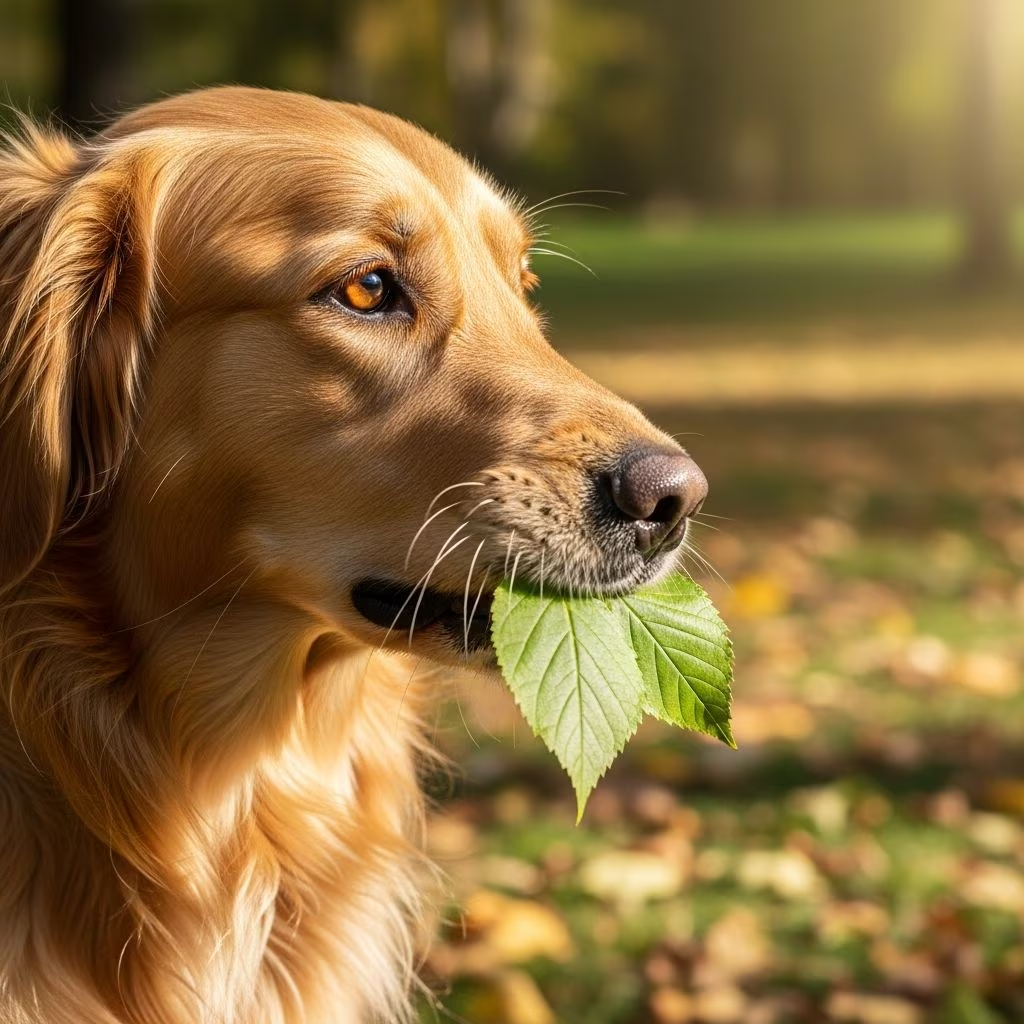
Dogs often nibble on leaves during walks or in the yard, sparking concern for many pet owners. This behavior stems from a mix of natural instincts, environmental factors, and potential health signals, but it can pose risks if unchecked.
Instinctive Drives Behind Leaf Nibbling
Canines have inherited behaviors from wild ancestors that prompt them to sample foliage. Young puppies, in particular, mouth everything in their path as part of sensory development, treating leaves like any novel texture or scent.
- Exploratory mouthing: Puppies investigate the world orally, crunching leaves for their appeal much like teething aids.
- Ancestral foraging: Wild dogs consumed plant matter incidentally while hunting, embedding this as a harmless occasional habit.
Adult dogs may revisit this during seasonal abundance, such as spring buds or autumn falls, when fresh greenery tempts their curiosity.
Nutritional Signals Indicating Imbalance
A dog’s diet plays a crucial role in unusual eating patterns. Insufficient fiber or minerals can drive them toward leaves as a makeshift supplement.
| Nutrient Gap | Possible Leaf Appeal | Solution |
|---|---|---|
| Fiber deficiency | Provides bulk for digestion | Add vet-recommended fiber sources |
| Vitamin/mineral shortfall | Perceived as nutrient source | Switch to balanced complete food |
| Pica disorder | Craving non-food items | Vet bloodwork and diet overhaul |
Pica, a compulsive ingestion of inedibles, often links to anemia or malabsorption, warranting a veterinary diet review.
Emotional and Environmental Triggers
Boredom tops the list for indoor or under-exercised dogs, turning yards into snack bars. Anxiety from changes like new homes amplifies this as self-soothing.
- Lack of stimulation: Insufficient play leads to mischief like leaf feasts.
- Stress responses: Separation or loud noises prompt comfort-seeking chews.
- Attention grabs: Scolding inadvertently reinforces the act by focusing owner energy.
Seasonal shifts expose more tempting foliage, especially in unrouted walks with abundant plants.
Digestive Discomfort and Self-Medication
Folks liken leaf eating to grass grazing for tummy relief, though evidence shows limited success—only about 25% vomit post-ingestion, rarely preempting illness.
Leaves might irritate the stomach lining to expel irritants, but excessive amounts risk impaction over aid. Frequent episodes signal deeper issues like gastritis, meriting a vet visit.
Hidden Dangers of Leaf Consumption
Not all greenery is benign; toxicity lurks in common varieties, while even safe ones harbor threats.
Toxic Plants to Watch For
- Oak and black walnut: Tannins cause kidney damage.
- Cherry, azalea, oleander: Cyanide or cardiac toxins lead to collapse.
Non-Toxic but Risky Issues
Rotting piles breed mold (tremors, neuro effects), bacteria, parasites like lungworm from slime, or blockages in small breeds.
Symptoms include vomiting, lethargy, diarrhea—monitor closely and act if persistent.
Practical Strategies to Deter Leaf Eating
Redirecting beats punishment; combine management with enrichment for lasting change.
- Boost daily activity: 30-60 minutes walks plus puzzle toys combat boredom.
- Train commands: “Leave it” with high-value treats builds reliability.
- Yard proofing: Remove temptations, plant dog-safe alternatives like wheatgrass.
- Diet check: Consult vet for nutritional audits.
For compulsive cases, professional trainers or behaviorists address root anxiety.
Recognizing When to Seek Veterinary Help
Isolated incidents rarely alarm, but patterns demand attention. Red flags: daily habits, weight loss, bloody stools, or sudden onset post-diet change.
- Rule out pica via blood tests.
- Imaging for blockages if vomiting persists.
- Parasite screens from contaminated leaves.
Early intervention prevents escalation to surgery or poisoning crises.
Enriching Your Dog’s World Naturally
Prevent recurrence by mimicking wild fulfillment: scent games, chew toys mimicking foliage texture, rotational toys sustain interest.
Forage mats with kibble scatter encourage hunting instincts sans risks. Seasonal rotations keep routines fresh, reducing fallback to leaves.
Common Myths About Dogs and Foliage
- Myth: Always means sickness. Often behavioral, not medical.
- Myth: Leaves aid digestion reliably. Ineffective for most; better vet remedies exist.
- Myth: All leaves safe. Many toxics abound in suburbs.
Frequently Asked Questions
Is it normal for dogs to eat leaves occasionally?
Yes, especially puppies exploring or adults instinctually sampling. Worry if habitual or paired with illness signs.
What if my dog ate a lot of leaves?
Watch for vomiting, lethargy 24-48 hours. Hydrate and contact vet if toxic plant suspected.
Can leaf eating indicate serious disease?
Possibly pica or GI disorders; vet evaluation clarifies.
How to train my dog to ignore leaves on walks?
Use “leave it,” distract with toys/treats, practice in low-distraction areas first.
Are there safe plants for dogs to chew?
Yes, like parsley or wheatgrass in moderation; avoid self-serve access.
References
- Why Do Dogs Eat Leaves? Common Reasons + How to Stop It — Pupford. 2023. https://pupford.com/blogs/all/why-dogs-eat-leaves
- Why Is My Dog Eating Leaves? — Cornerstone Veterinary Hospital of Clifton Park. 2024. https://cvhcp.com/blog/why-is-my-dog-eating-leaves/
- Can Dogs Eat Leaves? 4 Reasons Dogs Eat Leaves and What to Do — JOII Pet Care. 2023. https://www.joiipetcare.com/blogs/advice/can-dogs-eat-leaves-4-reasons-dogs-eat-leaves-and-what-to-do
- Why Does My Dog Eat Leaves? Stop Dogs From Feasting on Foliage — American Kennel Club (AKC). 2024-10-15. https://www.akc.org/expert-advice/advice/why-does-my-dog-eat-leaves/
- Can Dogs Eat Leaves? — Chewy. 2024. https://www.chewy.com/education/dog/training-and-behavior/can-dogs-eat-leaves
- Can Dogs Eat Leaves? — Whitney Veterinary Hospital. 2023. https://whitneyvet.com/can-dogs-eat-leaves/



