

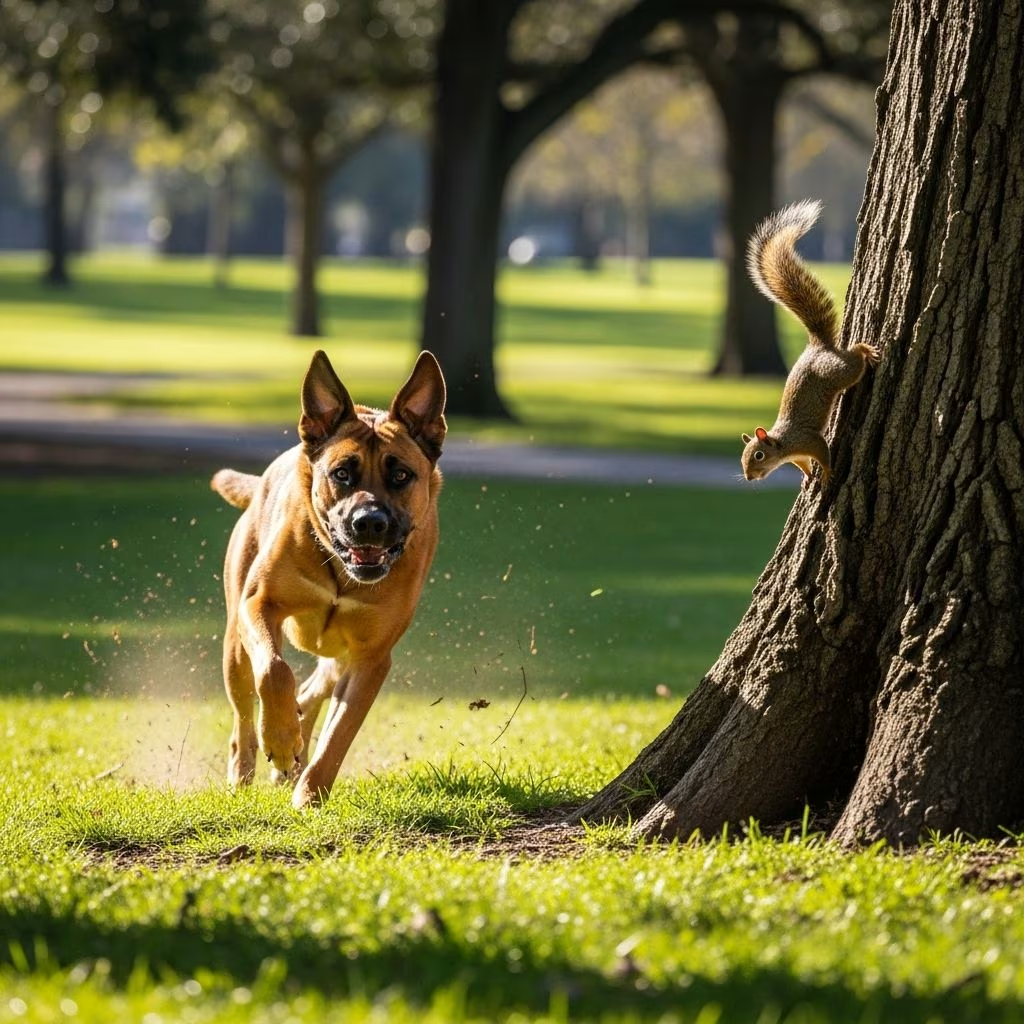
Dogs chase squirrels primarily due to an innate **prey drive** inherited from their wolf ancestors, triggered by movement, scent, and the thrill of the hunt. This behavior combines exceptional olfactory abilities with a hardwired chase response, making it nearly universal among canines but varying by breed and individual temperament.
The Evolutionary Roots of Squirrel Chasing
At its core, a dog’s urge to pursue squirrels stems from survival instincts honed over millennia. Wolves, the progenitors of domestic dogs, relied on hunting small, fast-moving prey to sustain their packs. This predatory sequence—search, stalk, chase, catch—remains embedded in canine neurology. When a squirrel darts across a yard or park, it activates this ancient wiring, flooding the dog’s brain with dopamine and adrenaline for an exhilarating rush.
Modern dogs no longer need to hunt for meals, yet the instinct persists. Squirrels, with their erratic movements and bushy tails, mimic ideal prey: small, agile, and abundant in urban and suburban environments. This isn’t aggression but play-like pursuit in many cases, where dogs may even slow down to prolong the fun rather than end it abruptly.
How a Dog’s Super Senses Fuel the Chase
Dogs possess olfactory capabilities 1,000 to 10,000 times superior to humans, with a brain region dedicated to processing scents far larger than ours. A squirrel’s trail lingers long after it’s gone, compelling dogs—especially scent hounds like Beagles—to track and chase phantom quarry.
- Olfactory Bulb Dominance: Up to 40% of a dog’s brain is smell-related, storing scent memories that trigger pursuit.
- Movement Detection: Squirrels’ sudden sprints exploit dogs’ visual motion sensitivity, bypassing rational thought.
- Auditory Cues: Rustling leaves or chattering amplify the sensory overload.
Hunting breeds amplify this: Terriers were bred to flush vermin, while sight hounds like Greyhounds excel at high-speed chases. Research from veterinary behaviorists confirms these traits are genetic, not learned.
Breed Differences in Prey Drive Intensity
| Breed Group | Prey Drive Level | Examples | Typical Behaviors |
|---|---|---|---|
| Hounds | High | Beagle, Bloodhound | Scent-tracking obsession, ignores commands during pursuit. |
| Terriers | Very High | Jack Russell, Fox Terrier | Tenacious digging and bolting after small game. |
| Sighthounds | High | Greyhound, Whippet | Explosive speed chases triggered by visual motion. |
| Herding | Moderate | Border Collie, Australian Shepherd | Stalking and nipping at heels, adaptable to squirrels. |
| Companion | Low-Moderate | Labrador, Golden Retriever | Occasional chases but quicker to redirect. |
Prospective owners should research breed predispositions. High-prey-drive dogs thrive with outlets like lure coursing, channeling instincts productively.
Risks of Unchecked Squirrel Chasing
While entertaining to watch, uncontrolled chasing poses dangers. Off-leash pursuits can lead to traffic accidents, fights with other animals, or escapes into hazards. On-leash, it strains necks, damages equipment, and erodes trust in training. Chronic pullers risk joint issues, and repeated adrenaline spikes contribute to anxiety.
Owners often misinterpret this as defiance, but it’s opportunistic opportunism: squirrel thrills outweigh treats unless conditioned otherwise. Early intervention prevents escalation into obsession.
Step-by-Step Training to Curb the Chase
Overcoming prey drive requires consistency, positive reinforcement, and management. Start in low-distraction environments, building reliability gradually.
- Master Basic Obedience: Solid “sit,” “stay,” and “leave it” form the foundation. Use high-value treats like chicken or cheese.
- Leash Management: Teach yielding to pressure. Stop walking when pulling occurs; resume only on slack. Tools like front-clip harnesses aid control without pain.
- Impulse Control Games: Practice “look at me” with a cue like “watch.” Reward eye contact amid mild distractions.
- Gradual Exposure: Begin far from squirrels, calling your dog before fixation. Use noise distractions (e.g., rattle a can) to interrupt early predatory stages.
- Recall Reinforcement: Pair “come” with jackpots—multiple treats or play. Practice 100+ times more than chase successes to rewire priorities.
Switch from “prey drive” (food/scent focus) to “pack drive” (human bonding) by leading walks confidently, using toys over treats outdoors.
Advanced Techniques for Stubborn Cases
For high-drive dogs, professional help shines. Behaviorists employ desensitization: controlled squirrel exposures at thresholds where success is 90% likely, slowly increasing challenge.
- Flirt Pole Training: Mimics chase with a lure on a line, teaching “drop it” on command.
- Long-Line Drills: 30-foot leashes allow safe practice recalls amid real distractions.
- Mental Enrichment: Puzzle toys and scent games satisfy urges without bolting.
Avoid punishment—it heightens arousal. Instead, preempt: Scout squirrel-free paths initially.
Fun Alternatives to Satisfy Instincts
Suppressing drive entirely backfires; provide outlets. Herding balls, flirt poles, or Fenzi Dog Sports Academy games redirect energy. Agility or treibball (soccer with exercise balls) mimic hunting sequences safely.
Urban dwellers: Indoor chase toys or treadmill walking burn energy. Track records show trained dogs enjoy freedom sooner, with lifelong maintenance sessions.
Common Myths About Squirrel Chasing
- Myth: It’s just play. Often true, but unchecked play risks real harm.
- Myth: High-drive dogs can’t improve. With effort, even obsessives achieve reliability.
- Myth: Neutering fixes it. Hormones influence but don’t erase genetics.
- Myth: Yelling stops it. Escalates excitement; focus on prevention.
Frequently Asked Questions
Can all dogs be trained out of chasing squirrels?
Yes, with patience. Reliability varies by drive level, but 95% success rates are common in professional programs.
What’s the best collar for pullers?
Front-clip harnesses or head halters like Gentle Leader reduce pulling humanely without choking.
How long does training take?
4-12 weeks for basics; lifelong maintenance. Consistency accelerates progress.
Is squirrel chasing dangerous for puppies?
Absolutely—build habits early to avoid neck strain and bad associations.
What if my dog catches one?
Prevent via management. If it happens, stay calm; discourage tasting with vet check for parasites.
Long-Term Management Strategies
Sustain gains with random recalls, varied rewards, and annual refresher courses. Monitor for regression during high-squirrel seasons (fall nut-gathering). Confident leadership fosters pack mentality, where your cues trump distractions.
Owners report transformed walks: dogs that once dragged now heel attentively, enjoying freedom responsibly. Embrace the instinct—train around it for a bonded, safer partnership.
References
- Why Dogs Chase Squirrels — WagWalking. 2023. https://wagwalking.com/behavior/why-dogs-chase-squirrels
- Why Squirrels Taunt Dogs — Charlie Hoehn. 2016-03-01. https://www.charliehoehn.com/2016/03/01/why-squirrels-taunt-dogs/
- Is Your Dog a Squirrel Chaser? — McCann Professional Dog Trainers. 2023. https://www.mccanndogs.com/blogs/articles/is-your-dog-a-squirrel-chaser
- Boone & The Squirrel: Recall When Your Dog is Distracted — Whole Dog Journal. 2023. https://www.whole-dog-journal.com/blog/boone-the-squirrel-recall-when-your-dog-is-distracted/
- Are You Chasing Squirrels? — Farther to Go. 2023. https://farthertogo.com/are-you-chasing-squirrels/
- Is Your Dog Obsessed with Squirrels? — Beyond Dog Training. 2023. https://beyonddogtraining.ca/news/is-your-dog-obsessed-with-squirrels



