

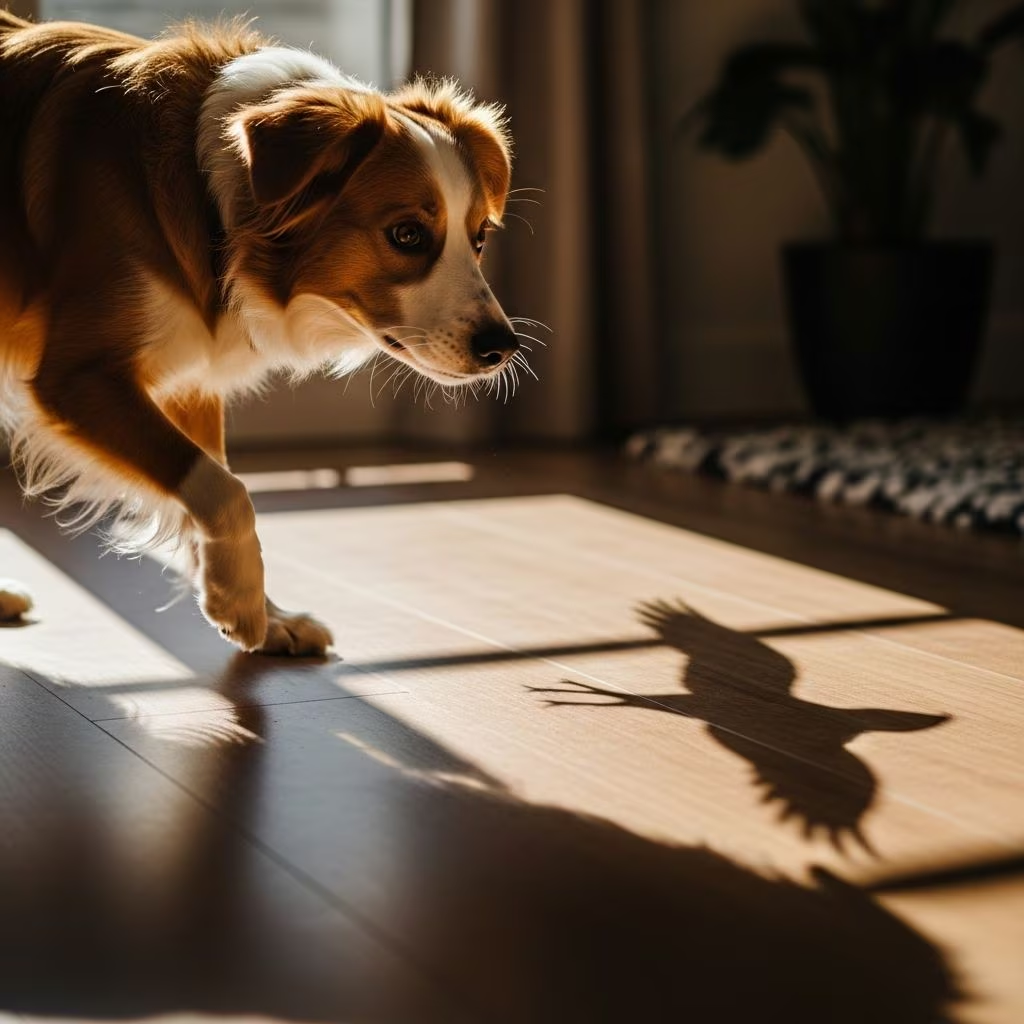
Dogs chasing shadows is a common sight that can range from endearing playfulness to a sign of deeper behavioral issues. This behavior often stems from their natural instincts to pursue moving objects, but when it becomes excessive, it may indicate boredom, anxiety, or even compulsive disorders. Understanding the root causes helps owners intervene effectively to ensure their pet’s well-being.
The Instinctual Drive Behind Shadow Pursuit
Canines are wired to detect and react to motion, a trait honed through evolution for hunting and survival. Shadows flickering across floors or walls mimic the quick movements of prey, triggering an immediate chase response. Dogs possess a superior motion detection ability compared to humans, with a higher flicker fusion threshold that makes rapid light changes appear as dynamic targets.
This sensitivity explains why shadows from sunlight through windows, swaying curtains, or even television screens captivate them. For young puppies or energetic adolescents, such pursuits start as innocent fun, releasing pent-up energy and satisfying curiosity. However, without proper outlets, this can escalate into fixation.
When Play Turns into Obsession: Recognizing Compulsive Behavior
Not all shadow chasing is harmless. When it persists for extended periods—such as over 10 minutes—or interferes with eating, sleeping, or social interactions, it may signal obsessive-compulsive disorder (OCD) in dogs. Signs include inability to ignore shadows, panting, trembling, or chasing even when no shadows are present.
Breeds with high herding or working instincts, like Border Collies, Australian Cattle Dogs, German Shepherds, and Bull Terriers, are particularly prone. These dogs crave mental and physical challenges; unmet needs lead to frustration manifested as repetitive behaviors. Confinement in small spaces without exercise exacerbates this, turning shadows into an endless, frustrating game they can never win.
- Key Indicators of Compulsion:
- Prolonged episodes ignoring commands or distractions.
- Focus on shadows in low-light or absent conditions.
- Physical exhaustion, like heavy panting or disrupted sleep.
- Neglect of normal activities, such as play with toys or family time.
Boredom and Lack of Stimulation as Primary Culprits
A tired dog rarely chases shadows. Boredom is a leading cause, especially in intelligent breeds understimulated indoors. Herding dogs, for instance, feel compelled to ‘control’ moving shadows as surrogate livestock. Working lines not engaged in jobs they’re bred for redirect energy into fixation.
Environmental triggers like laser pointers can spark permanent habits. While safe for cats, they affect 75% of dogs neurologically, leading to reflection chasing even after removal. Mirrors, shiny objects, or wind-blown fabrics compound the issue by creating unpredictable movements.
Breed Predispositions and Risk Factors
| Breed Group | Examples | Why Prone? |
|---|---|---|
| Herding | Border Collie, Australian Cattle Dog | Instinct to round up moving objects |
| Working | German Shepherd, Bull Terrier | High energy, need for tasks |
| Terrier | Staffordshire Bull Terrier mixes | Prey drive and tenacity |
Stressors like new homes, family changes, or inconsistent routines heighten risks. Dogs in cramped environments without daily walks develop anxiety, fueling the cycle.
Practical Solutions: Training and Management Strategies
Addressing shadow chasing requires patience, consistency, and positive reinforcement. Harsh punishment increases anxiety, worsening the behavior. Instead, focus on prevention and redirection.
Step-by-Step Training Protocol
- Minimize Triggers: Close curtains, block reflections, remove laser toys. Create a shadow-free zone during high-risk times like sunset.
- Increase Exercise: Daily walks (30-60 minutes), hikes, or runs tire the body. Add backpacks with light weights for mental jobs, enhancing focus.
- Mental Enrichment: Puzzle toys, scent games, agility training, or herding simulations for predisposed breeds. Enroll in clubs offering breed-specific outlets.
- Interrupt and Redirect: When chasing starts, calmly leave the room—removing your attention teaches it’s unrewarding. Return only when calm, rewarding with treats or play.
- Desensitization: Gradually expose to mild shadows paired with commands like ‘leave it,’ rewarding compliance. Use high-value treats to shift focus.
Mental fatigue from training sessions reduces obsessions more effectively than physical alone. Aim for two 15-minute brain games daily.
Lifestyle Adjustments for Long-Term Success
Consistent routines build security. Interactive play strengthens bonds, diverting energy. For severe cases, consult a vet for OCD medications alongside behavior therapy. ‘Doggie boot camps’ provide intensive intervention.
Health Checks: Ruling Out Medical Issues
Though rare, vision problems or neurological conditions can contribute. Schedule a vet exam to exclude these. Early detection prevents escalation.
FAQs: Common Questions About Shadow Chasing
Is shadow chasing normal for puppies?
Occasional chasing is playful exploration. Monitor if it dominates playtime.
Can laser pointers cause permanent damage?
They trigger lasting neurologic responses in many dogs, leading to chronic chasing.
How long until training works?
Weeks to months with consistency. Track progress in a journal.
What if my dog ignores distractions?
Seek professional trainer or behaviorist; medication may help.
Are certain ages more affected?
Adolescents and under-exercised adults; puppies outgrow mild cases.
Preventing Future Issues: A Holistic Approach
Proactive care keeps dogs balanced. Rotate toys, vary walks, incorporate obedience classes. Balanced nutrition and sleep support mental health. Observe changes early—happy dogs chase tails, not shadows endlessly.
By channeling instincts appropriately, owners transform quirky habits into healthy outlets, fostering joyful companionship.
References
- Why Dogs Chase Shadows — WagWalking. 2023. https://wagwalking.com/behavior/why-dogs-chase-shadows
- Chasing Shadows: Understanding Your Dog’s Quirky Behavior — Oreate AI. 2024. https://www.oreateai.com/blog/chasing-shadows-understanding-your-dogs-quirky-behavior/6a3240a83d38a9836db6efae850791ab
- Dog’s Shadow Chasing Compulsion A Cause for Concern — Alex Macias Dog Training. 2015-08-18. http://www.alexmaciasdogtraining.com/alexmaciasblog/2015/8/18/dogs-shadow-chasing-compulsion-a-cause-for-concern
- Why do dogs chase shadows & reflections? – YouTube Transcript — Dog Psychology 101. 2023. https://www.youtube.com/watch?v=WbeexV_CHPY



