Why Dogs Chase People And 5 Strategies To Stop It
Uncover the instincts, triggers, and solutions behind your dog's urge to chase humans, from joggers to strangers at the door.
Why Dogs Chase People
Dogs chase people due to a combination of innate predatory instincts, territorial protection, fear responses, playfulness, and breed-specific herding behaviors. This behavior, while natural, can pose safety risks and requires understanding and training to manage effectively.
The Instinctive Roots of Chasing in Canines
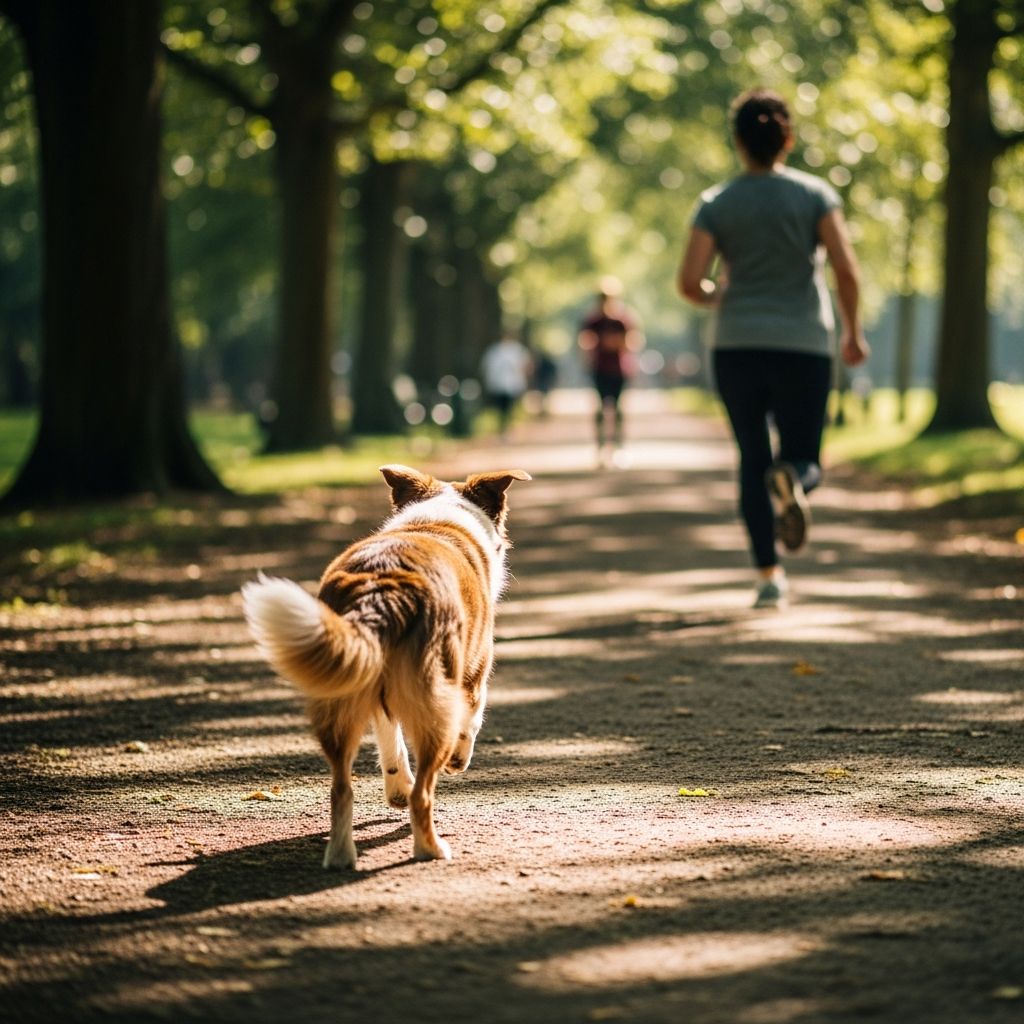
At the core of a dog’s chasing behavior lies their evolutionary heritage as predators. Wild ancestors like wolves relied on pursuing prey for survival, a trait passed down through domestication. Modern dogs retain this prey drive, an innate compulsion to track and chase moving objects or beings, including humans who run, cycle, or even walk briskly.
This drive activates when something darts away, mimicking fleeing prey. For instance, joggers in parks or skateboarders on streets often unwittingly trigger it because their rapid movement signals ‘catch me if you can’ to a dog’s brain. Herding breeds, such as Border Collies or Australian Shepherds, amplify this through their genetic programming to control livestock movement by nipping heels or circling.
- Predatory sequence: Spotting, stalking, chasing, and sometimes grabbing.
- Self-rewarding: The thrill of the pursuit releases dopamine, making it highly addictive.
- Universal appeal: All dogs have some level, but intensity varies by breed and individual.
Territorial Defenses and Stranger Anxiety
Beyond pure instinct, dogs often chase people to safeguard their perceived territory. A stranger approaching the home, yard, or even their owner can be viewed as an intruder threatening their domain. This proprietorial instinct prompts barking, lunging, and chasing to evict the perceived menace.
Dogs are pack-oriented and highly attuned to their owner’s emotional state. If you show hesitation or fear toward a visitor—perhaps tensing up at the doorbell—your dog may interpret this as a cue to intervene protectively, chasing the stranger away. Antisocial personalities in some dogs exacerbate this; they simply dislike outsiders and see chasing as the quickest resolution to discomfort.
| Trigger | Dog’s Perception | Typical Response |
|---|---|---|
| Door knocker or mail carrier | Intruder in territory | Bark and chase to door |
| Owner’s anxiety | Threat to pack member | Protective pursuit |
| Unfamiliar jogger | Moving threat | Sudden dash and nip |
Playfulness, Boredom, and Frustration as Catalysts
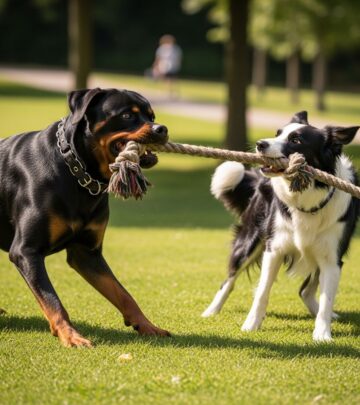
Not all chasing stems from aggression or fear. Many dogs pursue people out of exuberant play, especially puppies or high-energy adults seeking interaction. A game of tag with family members can spill over to strangers, particularly if running elicits attention.
Boredom and under-stimulation play significant roles too. Dogs with insufficient exercise or mental challenges redirect their energy toward any motion, including people. Stress or frustration from confinement amplifies this, turning a mild urge into compulsive chasing.
- Play chasing: Tail wagging, bouncy posture, no intent to harm.
- Boredom-driven: Repetitive targeting of cars, cyclists, or shadows.
- Frustration: Leash reactivity where pulling toward passersby builds tension.
Breed Predispositions and Individual Variations
Certain breeds are wired for chasing more than others. Terriers, hounds, and sight breeds like Greyhounds excel at pursuit due to hunting lineages. Herders instinctively circle and chase to manage groups, often targeting wheels or feet.
Individual factors matter: Age (puppies experiment more), socialization history (poor exposure heightens fear), and health (pain can make dogs reactive). Observing body language helps differentiate: Relaxed ears and play bows indicate fun, while stiff posture signals alarm.
Risks and Real-World Consequences
While chasing might seem harmless, it endangers everyone involved. Chased individuals panic and run faster, escalating the cycle and risking trips or bites. Dogs can suffer injuries from traffic or fights, and owners face liability for attacks.
Children are especially vulnerable; a playful nip can terrify or injure. In public spaces, unleashed chasers disrupt communities, leading to complaints or breed-specific laws. Early intervention prevents escalation into habitual aggression.
Effective Strategies to Curb Chasing Behaviors
Managing chasing requires response substitution: Teach incompatible behaviors like sitting calmly near triggers. Punishment fails and often worsens anxiety, reinforcing the chase through heightened arousal.
Step-by-Step Training Plan:
- Desensitization: Expose gradually to triggers at low intensity (e.g., distant joggers) while rewarding calm focus on you.
- Counter-Conditioning: Pair triggers with treats, shifting emotional response from excitement/fear to positivity.
- Impulse Control: Practice ‘leave it’ or ‘watch me’ commands; use long leashes for controlled practice.
- Exercise Enrichment: Daily runs, puzzle toys, and training games burn energy and satisfy instincts safely.
- Professional Help: For severe cases, consult certified trainers or behaviorists using positive reinforcement.
Tools like head halters or no-pull harnesses aid control during walks. Consistency across family members is key; mixed signals confuse dogs.
Preventive Measures for Puppy Owners
Start socialization early: Expose puppies to diverse people, movements, and environments positively between 3-12 weeks. Enroll in obedience classes to build focus and recall. Provide outlets like fetch or flirt poles to channel prey drive constructively.
Spay/neuter may reduce roaming urges in some cases, but behavior modification remains primary. Monitor play: Redirect roughhousing away from heels or clothing tugs that mimic prey.
When to Seek Veterinary Advice
Sudden onset chasing, especially with aggression, warrants a vet check for pain, thyroid issues, or neurological problems. Rule out medical causes before behavioral training.
FAQs
Why does my dog only chase certain people?
Dogs target based on speed, clothing (flappy items), or past associations like uniforms signaling intruders. Individual scents or postures can also trigger selectivity.
Can all dogs be trained out of chasing?
Yes, with patience and science-based methods. High-drive breeds need more effort, but response substitution works universally.
Is chasing always dangerous?
Not inherently, but it frightens targets and risks injury. Controlled outlets prevent issues.
How much exercise stops chasing?
30-60 minutes daily plus mental work; tailor to breed. Under-exercised dogs chase more.
What if my dog chases on leash only?
Leash frustration builds barrier reactivity. Train off-leash recall first, then desensitize.
References
- Why Do Dogs Chase Strangers — WagWalking. 2023. https://wagwalking.com/behavior/why-do-dogs-chase-strangers
- Why Does My Dog Chase Anything That Moves? — Adaptil UK. 2024. https://www.adaptil.co.uk/blogs/news/why-does-my-dog-chase-anything-that-moves-a-poochs-point-of-view
- How Dogs Perceive Humans and How Humans Should Treat Their Dogs — PMC (National Library of Medicine). 2020-12-15. https://pmc.ncbi.nlm.nih.gov/articles/PMC7772310/
- Dog Behavior Problems – Chase Behaviors — VCA Animal Hospitals. 2024. https://vcahospitals.com/know-your-pet/dog-behavior-problems—chase-behaviors
- Dogs That Chase — Clinician’s Brief. 2023. https://www.cliniciansbrief.com/columns/36/dogs-chase
- Why Is My Dog Chasing Everything? — American Kennel Club. 2024-01-10. https://www.akc.org/expert-advice/advice/why-is-my-dog-chasing-everything/
Similar Articles








Read full bio of medha deb