

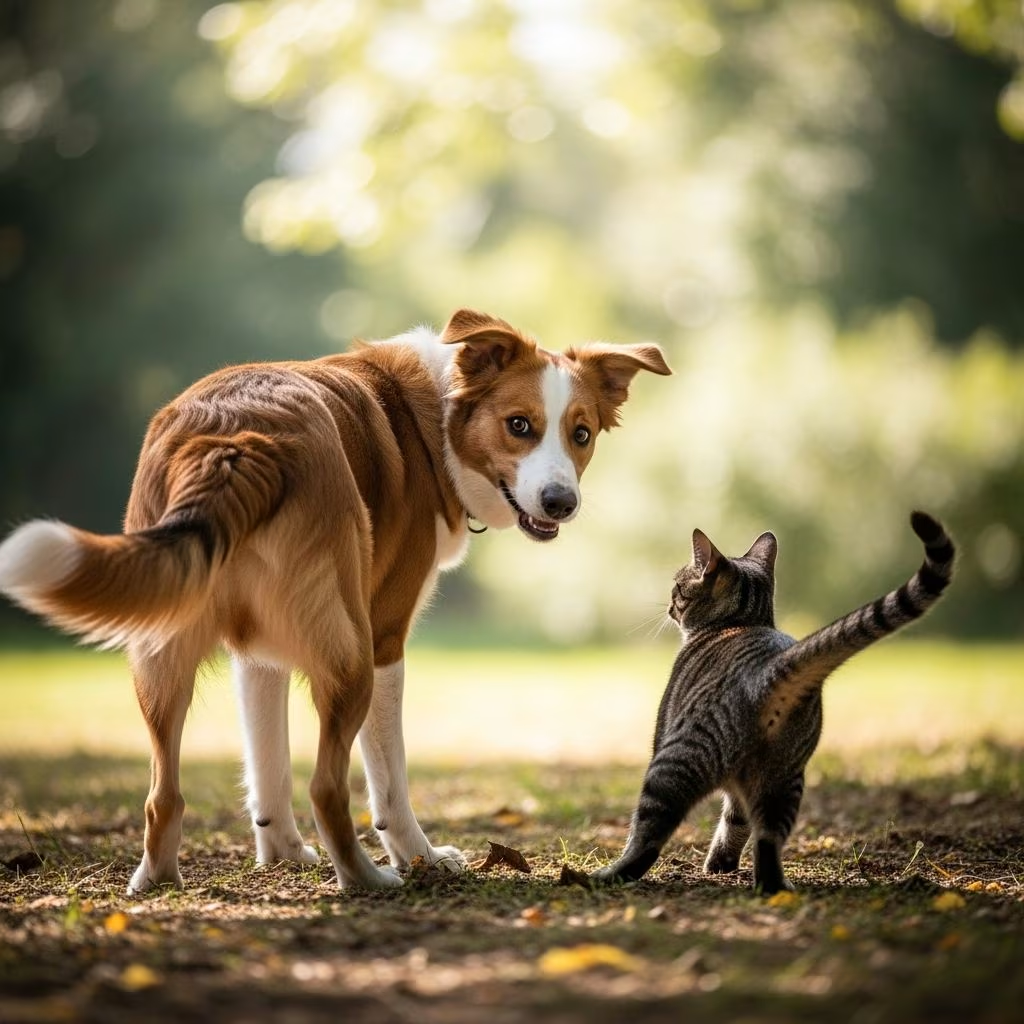
Dogs chasing cats is a classic scenario rooted in deep-seated biological impulses and environmental factors. This behavior stems primarily from a dog’s **prey drive**, territorial instincts, and unmet needs for stimulation, making it essential for pet owners to understand and address these triggers for harmonious living.
The Biological Roots of the Chase
At the core of why dogs pursue cats lies their evolutionary heritage. Descended from wolves, dogs retain a strong **prey drive**—an innate instinct to detect, stalk, and chase moving objects perceived as prey. This survival mechanism, honed over millennia, activates when a cat darts across the room or yard, triggering an automatic response regardless of intent to harm.
Breeds selectively developed for hunting, such as Beagles, German Shepherds, or Terriers, exhibit heightened prey drives due to generations of breeding for tracking and pursuit traits. Even non-hunting breeds can display this behavior, as it’s a universal canine trait amplified by swift feline movements.
Chasing provides its own reinforcement; the thrill of motion and pursuit releases dopamine, making it highly addictive. What begins as playful can escalate if not managed, potentially stressing the cat or leading to unintended injuries.
Territorial Impulses in Action
Beyond instinct, dogs often chase cats to assert control over their perceived territory. A home or yard is a dog’s domain, and a cat—especially a newcomer—may register as an intruder. Rapid cat movements in these spaces provoke a defensive chase to reestablish boundaries.
This territoriality diminishes in dogs socialized early with cats, as familiarity rewires their perception from threat to housemate. Resident animals, whether dog or cat, frequently view arrivals with suspicion, heightening chase responses until trust builds.
Boredom and Energy Overload
When physical and mental needs go unmet, chasing becomes an outlet for pent-up energy. Dogs require substantial daily exercise and enrichment; without it, a cat’s scamper turns into an impromptu game, alleviating boredom through excitement.
Puppies and young dogs, like those under a year, channel excess vigor into such antics, mistaking chase for play. Insufficient walks, play sessions, or puzzles leave them restless, redirecting focus to household cats.
Effects on Cats and Household Dynamics
Persistent chasing inflicts significant stress on cats, leading to chronic anxiety manifestations. Affected cats may develop urinary issues, digestive problems, fur loss, or behavioral shifts like aggression, spraying, or destructiveness—all signs of unrelenting fear in their safe space.
For dogs, unchecked chasing risks escalation, exposure to feral cats carrying diseases, or reinforcement of unwanted habits. In multi-pet homes, this disrupts peace, potentially straining owner-pet bonds if ignored.
| Impact on Cats | Signs of Stress | Long-Term Risks |
|---|---|---|
| Immediate Fear | Hiding, fleeing | Anxiety disorders |
| Physical Health | Bladder infections, diarrhea | Weakened immunity |
| Behavioral Changes | Aggression, spraying | Household destruction |
Strategies to Curb the Behavior
Managing dog-cat chasing demands a multi-faceted approach: prevention, training, and lifestyle adjustments. Start with **management** to halt practice of the behavior, as repetition strengthens it.
- Supervise interactions rigorously; separate pets when unattended.
- Use baby gates or crates to create safe zones for cats.
- Employ drag lines indoors for instant chase interruption without physical correction.
Training Techniques for Success
Positive reinforcement training redirects prey drive effectively. Teach a rock-solid recall command amid distractions, rewarding compliance with high-value treats. Gradually introduce controlled cat exposures, praising calm behavior.
Desensitization involves leashed sessions where the dog observes the cat from afar, advancing only as tolerance builds. Counter-condition by pairing cat presence with rewards, fostering positive associations.
- Exercise daily: Aim for 30-60 minutes of vigorous activity like fetch or runs to drain energy.
- Provide enrichment: Puzzle toys, scent games, and chew items combat boredom.
- Socialize early: Expose puppies to cats positively to blunt territorial responses.
Breed and Age Considerations
Tailor strategies to your dog’s profile. High-prey-drive breeds need professional behaviorists for advanced protocols. Puppies respond best to redirection, while adults may require consistency to unlearn habits.
Building Long-Term Peace
Fostering coexistence requires patience. Feed cats near the dog with barriers, associating felines with positivity. Increase overall household exercise to preempt triggers.
Monitor for relapses, adjusting as needed. Many owners achieve harmony through diligence, turning potential rivals into companions.
Frequently Asked Questions
Can all dogs be trained to ignore cats?
Yes, with consistent management and training, most dogs can learn to coexist peacefully, though high-prey-drive individuals may need ongoing supervision.
How much exercise prevents chasing?
Typically 45-90 minutes daily of intense activity, plus mental stimulation, suffices for most breeds to reduce boredom-driven pursuits.
Is chasing always harmful?
Not initially, but it stresses cats profoundly and can escalate; intervene early to safeguard both pets’ well-being.
What if my dog chases outdoor cats?
Train recall rigorously and secure your yard; off-leash chasing risks disease transmission from ferals.
Should I punish chasing?
No—punishment heightens arousal; use positive redirection for lasting change.
Expert Insights on Prevention
Behaviorists emphasize proactive steps: exhaustive exercise regimens often resolve mild cases immediately. Crating dogs during cat free-time allows felines security, while drag lines enable precise interventions.
For stubborn cases, consult certified trainers. Tools like clickers amplify rewards, accelerating progress.
References
- The Chase is On – 3 Reasons Why Dogs Chase Cats — MyWaggle. Accessed 2026. https://mywaggle.com/blogs/pet-behaviour/the-chase-is-on-3-reasons-why-dogs-chase-cats
- Dear PetPlace, Why Does My Dog Chase My Cat? — PetPlace. Accessed 2026. https://www.petplace.com/article/general/behavior-training/dear-petplace-why-does-my-dog-chase-my-cat
- Why Do Dogs Chase Cats & How to Stop It? — Petfinder. Accessed 2026. https://www.petfinder.com/dogs-and-puppies/behavior/other-problem-behaviors/chasing-cats/
- Dogs Chasing Cats! — Homeward Bound Golden Retriever Rescue. 2013-05. https://homewardboundgoldens.org/wp-content/uploads/2013/05/Preventing-Dogs-Chasing-Cats.pdf
- Cat Chasing — Diamonds in the Ruff. Accessed 2026. https://www.diamondsintheruff.com/catchasing
- Dog Chasing Cat: How to Stop This Behavior — Best Friends Animal Society. Accessed 2026. https://bestfriends.org/pet-care-resources/dog-chasing-cat-how-stop-behavior



