

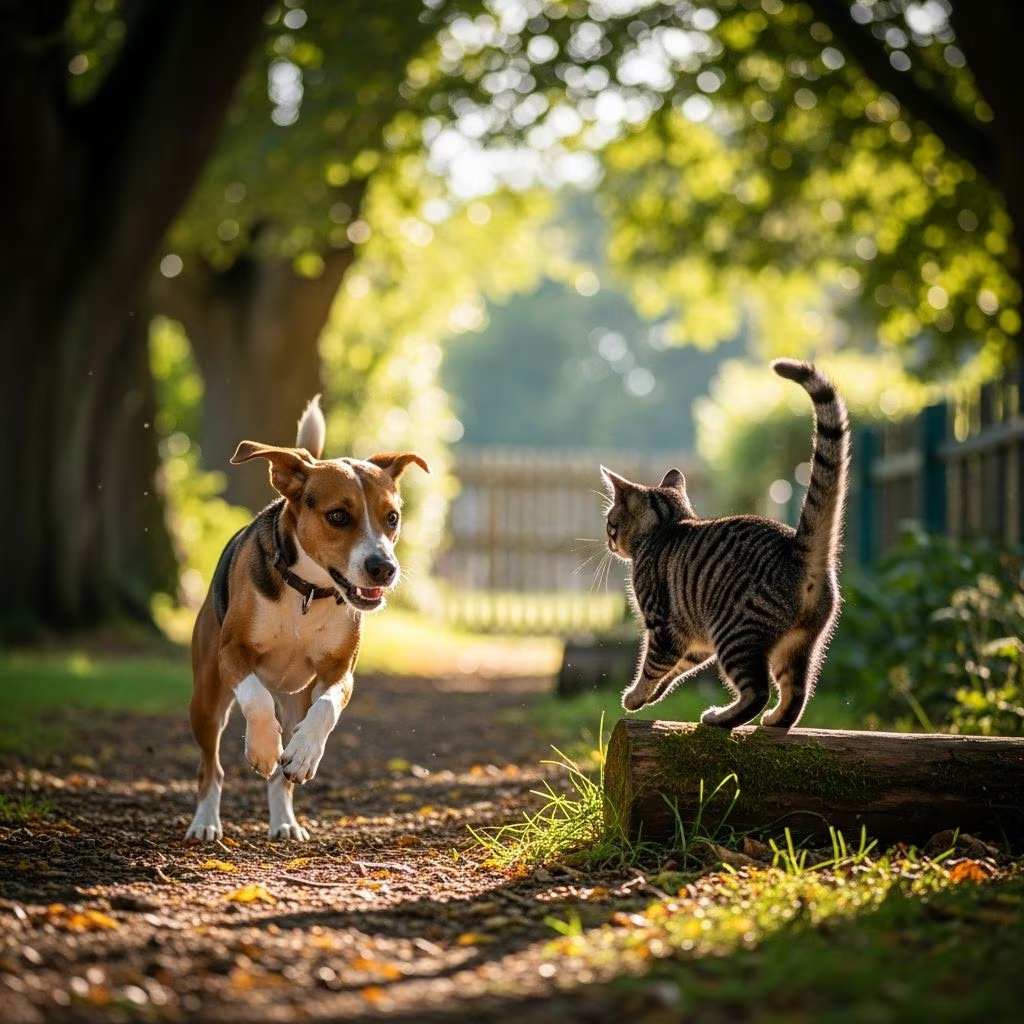
Dogs chasing cats is a classic trope rooted in real behavioral patterns, primarily driven by instinctual differences rather than inherent hatred. While popular culture portrays perpetual enmity, many dogs and cats coexist peacefully when properly introduced, highlighting that tension arises from miscommunication and unmet needs rather than malice.
The Evolutionary Roots of Interspecies Tension
At the core of why dogs pursue cats lies millions of years of evolutionary divergence. Dogs descend from pack-hunting wolves, wired for cooperative chases of fleet-footed prey across open terrains. This heritage manifests as a high-prey drive in many breeds, triggering automatic pursuit when a smaller, quick-moving animal like a cat darts away. Cats, solitary hunters from feline lineages, excel in stealthy ambushes rather than endurance running, making flight their default defense against perceived threats.
These mismatched survival strategies create a feedback loop: a cat’s instinctive bolt signals ‘prey’ to the dog, escalating the chase. Research on animal behavior notes that dogs raised without early exposure to cats often interpret feline evasion as an invitation to hunt, not fear. However, this is not universal—plenty of dogs ignore cats entirely, proving individual temperament and socialization play pivotal roles.
Decoding Communication Breakdowns
Misaligned body language amplifies conflicts. Dogs rely on overt signals: a wagging tail broadcasts joy or arousal, raised hackles signal dominance, and direct stares challenge authority. Cats employ subtlety—a slow blink conveys trust, a twitching tail warns of irritation, and puffed fur aims to intimidate without engagement.
- Dog tail wag: Often excitement or friendliness, but rapid side-to-side can precede chase.
- Cat tail twitch: Irritation building toward swat or hiss.
- Eye contact: Dogs see it as playful; cats view prolonged stares as predatory threats.
Such discrepancies lead to tragic misunderstandings. A dog bounding forward in greeting enthusiasm might terrify a cat into fleeing, activating the pursuit instinct. Veterinary behaviorists emphasize that recognizing these cues prevents escalation.
Breed-Specific Tendencies and Exceptions
| Breed Group | Prey Drive Level | Cat Compatibility Notes |
|---|---|---|
| Herding (e.g., Border Collie) | High | Chasing instinct strong; needs extensive training. |
| Hounds (e.g., Beagle) | Very High | Scent-driven pursuit; early socialization critical. |
| Labrador Retriever | Moderate | Generally adaptable with positive exposure. |
| Bulldog | Low | Laid-back; often indifferent to cats. |
Breeds bred for hunting or herding exhibit stronger chase impulses due to selective genetics. Yet exceptions abound—high-drive dogs can learn tolerance, while low-energy ones might still snap if startled. Owners report success varies by puppyhood experiences more than breed alone.
Personality Clashes: Independence vs. Pack Loyalty
Dogs thrive in social hierarchies, viewing humans and other pets as packmates deserving loyalty and protection. This communal mindset fosters boisterous interactions, which independent cats often rebuff. Felines prioritize autonomy, self-grooming and napping solo, only seeking contact on their terms.
Picture a dog eagerly offering play bows while the cat arches defensively—the dog’s outgoing nature clashes with the cat’s reserve, sparking friction. Studies on owner personalities mirror this: dog enthusiasts tend extraverted and rule-oriented, aligning with canine needs, while cat lovers lean introverted and flexible.
Practical Steps for Peaceful Coexistence
Building harmony requires deliberate management. Start with controlled introductions in neutral spaces, using baby gates to allow scent familiarization without direct contact. Reward calm behavior lavishly—treats for ignoring the cat reinforce desired responses.
- Socialize early: Expose puppies to cats before 12 weeks for optimal imprinting.
- Exercise outlets: Tire dogs with long walks to curb excess energy fueling chases.
- Safe zones: Provide cat shelves and rooms inaccessible to dogs.
- Training basics: Teach ‘leave it’ and recall commands reliably.
Consistency trumps punishment; positive reinforcement reshapes instincts over time. Professional trainers recommend desensitization: gradually increase proximity while maintaining calm.
Health and Environmental Factors Influencing Behavior
Unaddressed issues exacerbate tensions. Anxious dogs from poor socialization or inadequate stimulation may fixate on cats as outlets. Cats stressed by dirty litter or territorial intrusions hiss more, provoking reactions. Routine vet checks rule out pain-induced irritability, as arthritis in seniors can lower tolerance thresholds.
Environmental tweaks help: vertical space for cats reduces cornering risks, while puzzle toys engage dogs mentally, mimicking pack hunts constructively.
Success Stories and Common Pitfalls
Countless households prove harmony possible. A herding breed socialized with kittens from day one often grooms them gently. Pitfalls include rushed intros—letting a high-drive dog loose on a skittish adult cat invites disaster—or ignoring warning signs like stiff postures preceding lunges.
“Proper training transforms rivals into roommates, but neglect invites chaos.” – Animal behavior synthesis from multiple studies.
FAQs: Dog-Cat Dynamics
Can all dogs learn to ignore cats?
Most can with patient training, though extreme prey drive cases may need management like leashing indoors.
Do cats ever initiate conflicts?
Yes, swats or stares can provoke dogs, but cats rarely chase unless playful kittens.
How long for introductions?
Weeks to months; rush it and risk lifelong enmity.
What if my dog injured a cat?
Separate immediately, consult behaviorist; rebuild trust slowly with professional guidance.
Multi-pet homes: cats first or dogs?
Resident cats set the pace; add dogs gradually to respect territory.
Long-Term Strategies for Multi-Pet Bliss
Sustained success demands ongoing vigilance. Rotate play sessions to prevent fatigue-fueled lapses, monitor for resource guarding over food bowls, and enrich environments yearly with new toys. Annual behavior assessments catch drifts early.
Ultimately, understanding trumps assumption. Dogs don’t ‘hate’ cats any more than cats despise dogs—it’s a dance of instincts awaiting human choreography for harmony.
References
- Cats vs. Dogs: Behavior, Intelligence, and Care Comparison — Kinship. 2023. https://www.kinship.com/pet-behavior/cats-vs-dogs
- Cat–dog relationship — Wikipedia (citing primary ethology studies). 2024-01-15. https://en.wikipedia.org/wiki/Cat–dog_relationship
- Interesting Differences Between Dogs and Cats — Hill’s Pet Nutrition. 2023. https://www.hillspet.com.au/pet-care/resources/differences-between-cats-and-dogs
- Dog and Cat Behavior — Animal Hospital at Brier Creek. 2024. https://www.ah-bc.com/dog-and-cat-behavior/
- Four personality differences between dog people and cat people — VCA Animal Hospitals. 2023. https://vcahospitals.com/resources/lifestyle/four-personality-differences-between-dog-people-and-cat-people
- Personality Differences Between Dog and Cat Owners — Psychology Today. 2023-02-01. https://www.psychologytoday.com/us/blog/canine-corner/201002/personality-differences-between-dog-and-cat-owners



