

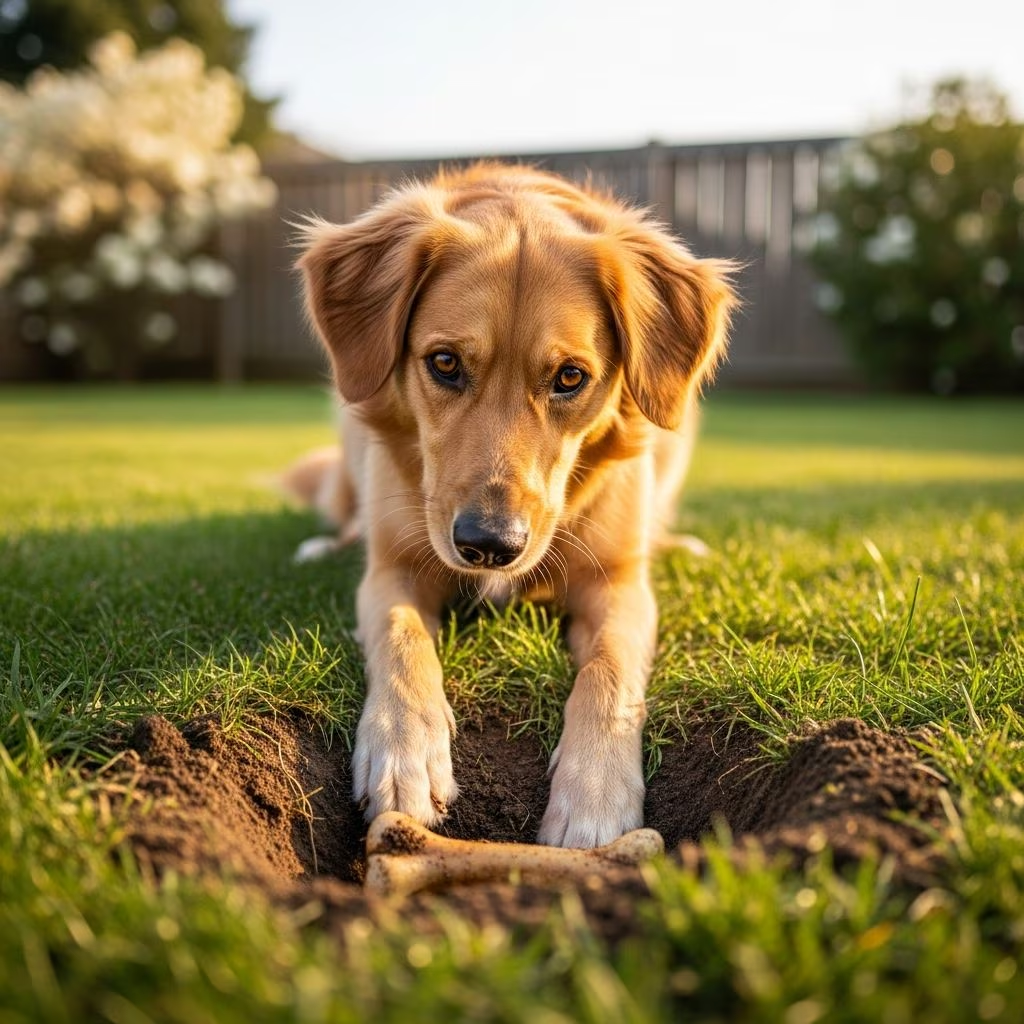
Dogs bury bones, toys, and other prized possessions as a deeply ingrained behavior stemming from their wild ancestry, where hiding surplus food ensured survival during scarce times. This instinct persists in modern pets despite reliable meals, driven by factors like resource protection, anxiety, and playfulness.
The Evolutionary Roots of Burying in Canines
Long before dogs became household companions, their wild forebears—such as wolves and feral canines—faced unpredictable food availability in a feast-or-famine existence. When a successful hunt yielded more meat than could be consumed immediately, these animals would dig shallow pits to stash the excess, using the cool earth as a natural preservative against spoilage from heat and scavengers.
This practice, known as scatter hoarding or food caching, involved distributing resources across multiple hidden sites rather than one central location to minimize theft risks. Dogs that mastered this skill had a survival edge, passing the trait through generations via natural selection. Today, domesticated dogs retain this genetic memory, even though kibble bowls refill daily.
Breeds with strong hunting lineages, like Terriers or Hounds, often display this behavior more prominently, as it ties into their predatory heritage. Understanding this context reveals burying not as mischief, but as a echo of ancient adaptive strategies.
Key Motivations Behind Modern Burying Habits
While evolution provides the foundation, contemporary triggers explain why your couch cushion or garden bed becomes a treasure trove. Here are the primary reasons dogs engage in this activity:
- Instinctual Drive: Hardwired from ancestors, dogs bury items instinctively, treating bones or toys as ‘prey’ to be preserved.
- Safekeeping Valuables: High-value objects prompt hiding to protect them from perceived threats, akin to a personal vault.
- Resource Guarding: In multi-pet homes, dogs conceal treasures to prevent rivals from claiming them, sometimes leading to defensive displays.
- Boredom Relief: Understimulated dogs dig and bury to expend energy, turning idle time into self-entertainment.
- Anxiety Coping: Stressful situations, like separation from owners, trigger burying as a comforting ritual.
These motivations often overlap; a bored dog might bury a toy for future enjoyment, blending play with instinct.
How Burying Manifests in Everyday Home Life
Outdoors, dogs select soft soil in yards or planters, pawing vigorously before nudging dirt over the item with their nose—a precise ritual mimicking wild caching. Indoors, without dirt access, they improvise by shoving bones under blankets, pillows, or laundry piles, simulating burial through concealment.
This adaptability highlights canine ingenuity. Owners might discover ‘hidden’ treats weeks later, sometimes spoiled and odorous, underscoring why perishable items warrant monitoring. Toys join the mix too, as dogs deem them equally precious, rotating ‘stashes’ to outsmart imaginary thieves.
Potential Downsides and When to Intervene
Burying is typically harmless and even endearing, but excesses can signal issues. Persistent digging destroys landscaping, while resource guarding escalates to aggression if family members or pets approach ‘claimed’ spots. Resource guarding involves stiff posture, growling, or snapping—red flags requiring professional training.
Boredom-driven burying erodes furniture or carpets if redirected indoors. Anxiety-related patterns intensify during alone time, pairing with whining or destruction. Track frequency: occasional episodes are normal; daily marathons suggest unmet needs like exercise or mental puzzles.
| Behavior Trigger | Signs to Watch | Potential Risks |
|---|---|---|
| Instinct | Ritualistic digging/nosing | Minor yard damage |
| Guarding | Defensive over spots | Aggression toward pets/humans |
| Boredom | Repetitive in same areas | Property destruction |
| Anxiety | During absences | Escalating stress behaviors |
Practical Strategies to Manage or Redirect Burying
Curtail unwanted burying without suppressing natural urges. Start by limiting abundance: offer one bone or toy at a time, rotating weekly to sustain novelty and mimic scarcity. Feed treats post-meals only when hunger drives value perception.
- Boost daily exercise: 30-60 minute walks plus play sessions burn energy, reducing idle digging.
- Enrich environment: Puzzle toys, scent games, or frozen Kongs channel instincts productively.
- Designate zones: Create a ‘burying pit’—a sandbox filled with sand—rewarding use there with praise.
- Train alternatives: Teach ‘leave it’ or ‘drop it’ commands, trading buried items for higher-value rewards.
- Address anxiety: For separation cases, consult vets for calming aids or behaviorists for desensitization.
Consistency pays off; most dogs adapt within weeks, balancing instinct with household harmony.
Breed Tendencies and Individual Variations
Not all dogs bury equally. Hunting breeds like Beagles or Jack Russells inherit stronger caching drives from terrier digging roots. Sighthounds may hoard less, prioritizing speed over storage. Personality factors amplify traits: bold, food-motivated dogs stash more than laid-back ones.
Age influences too—puppies experiment playfully, adults methodically, seniors less due to mobility. Multi-dog homes heighten competition, spurring group ‘heists’ of each other’s treasures.
Fun Facts and Myths About Canine Caching
- Dogs rarely retrieve buried items promptly, often forgetting locations—a quirk of scatter hoarding.
- Some ‘bury’ non-edibles like socks, valuing scent over utility.
- Myth: Burying signals dissatisfaction with food. Reality: It’s unrelated to diet quality.
Frequently Asked Questions
Is burying bones harmful to dogs?
Generally no, but rawhide or perishables can spoil, causing tummy upset. Supervise and opt for digestible chews.
Why do dogs bury bones in blankets?
Without soil, soft fabrics mimic dirt for caching valuable items indoors.
How do I stop my dog from burying in the yard?
Reduce item surplus, increase stimulation, and provide a dig box.
Does burying indicate health problems?
Rarely; sudden increases may tie to stress or pain—vet check if paired with lethargy.
Why do some dogs never bury?
Genetic variation or ample daily fulfillment suppresses the instinct.
Expert Insights on Preserving Canine Instincts
Behaviorists emphasize honoring roots: ‘Suppressing burying frustrates dogs; redirection builds trust,’ notes certified trainers. Integrate it into bonding—join ‘hunts’ for buried toys, turning quirk into game.
References
- Understanding Canine Behavior: Why Do Dogs Bury Their Bones and Toys — Petbacker. 2023-05-15. https://www.petbacker.com/blog/facts/understanding-canine-behavior-why-do-dogs-bury-their-bones-and-toys-2
- Why Your Dog Buries Their Bones And Favorite Toys — Rover.com. 2024-08-20. https://www.rover.com/blog/why-dogs-bury-bones/
- Why Do Dogs Bury Bones? — PetMD. 2025-02-10. https://www.petmd.com/dog/behavior/why-do-dogs-bury-bones
- Why Do Dogs Bury Bones? The Answer Is Surprisingly Simple — American Kennel Club (AKC). 2024-11-05. https://www.akc.org/expert-advice/training/why-do-dogs-bury-bones/
- Why Do Dogs Bury Bones? — Purina. 2025-01-12. https://www.purina.com/articles/dog/behavior/understanding-dogs/why-do-dogs-bury-bones



