

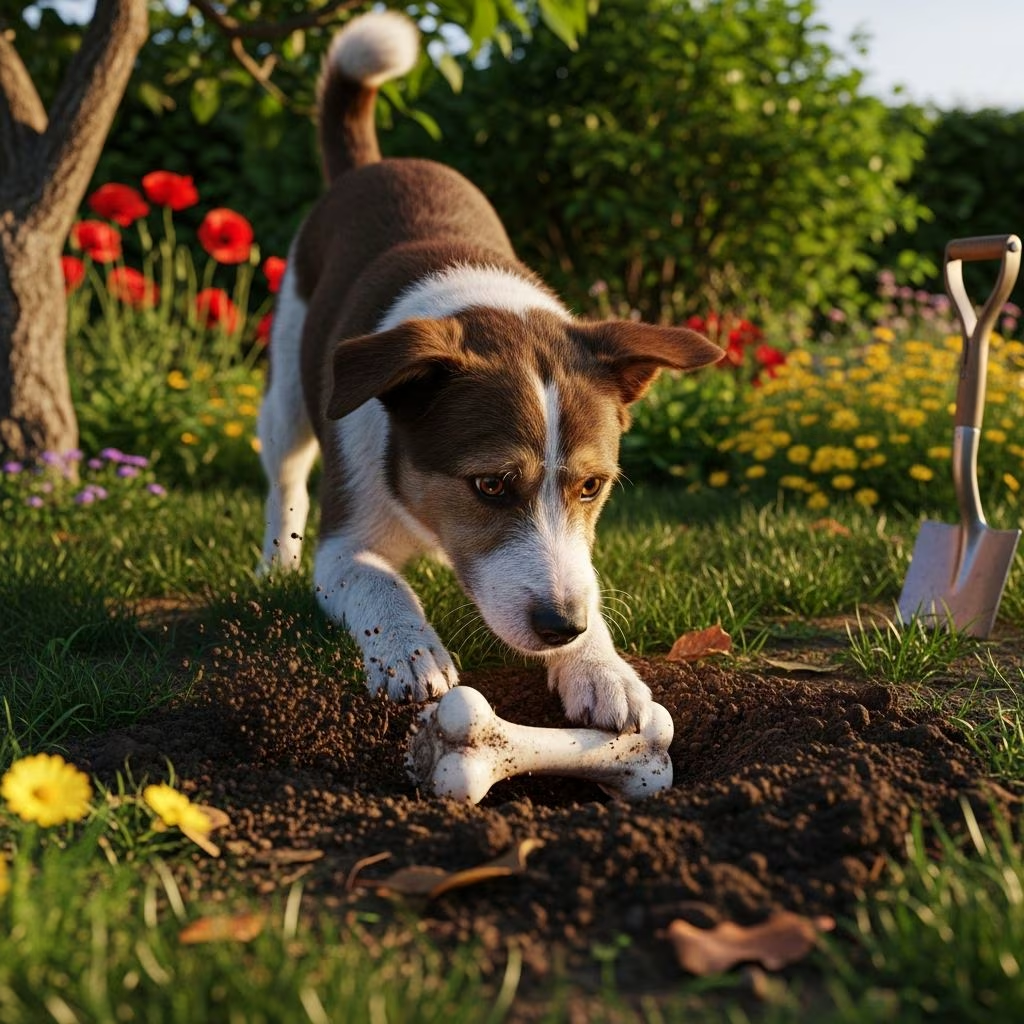
Dogs have long captivated us with their peculiar habits, and one of the most endearing yet puzzling is the act of burying bones or toys. This behavior, often accompanied by frantic pawing at blankets or soil, stems from deep-rooted instincts that persist despite domestication. Understanding it helps owners foster better relationships and manage household chaos.
The Evolutionary Roots of Burying Behavior
At its core, a dog’s tendency to bury valuables traces back to their wild ancestors. Wolves, the closest relatives to domestic dogs, practiced food caching to ensure survival during scarce times. By hiding surplus meat underground, they protected it from scavengers and created a reserve for lean periods.
Domestic dogs inherit this genetic programming. Even with reliable meals from owners, the impulse remains. Veterinarian Dr. Marc Smith notes that dogs are ‘highly instinctual creatures,’ retaining behaviors like burying despite human care. This survival mechanism ensured wild canines could return to stashes when hunting failed.
Modern dogs may not face famine, but the drive endures. Professional trainer Teoti Anderson explains, ‘The reason why a dog buries something is to save it for later,’ highlighting how this logic persists in pampered pets.
Resource Guarding: Protecting Valuables
Burying serves as a form of resource guarding, where dogs conceal items they value to prevent theft by perceived rivals. In multi-dog homes or near other pets, a bone might be hidden to safeguard it from competitors.
Dr. Aimee Warner, a resident veterinarian, describes this as protective behavior toward food or toys feared to be stolen. Aggression can accompany it, as seen in cases where dogs growl over possessions. VCA Animal Hospitals emphasizes dogs as ‘protective creatures that safeguard all they deem valuable,’ using paws to create hiding spots.
- Signs of resource guarding: Hiding items immediately after receiving them.
- Common triggers: Presence of other animals or family members.
- Outcome: Items buried in yards, blankets, or cushions.
Boredom and Entertainment Through Digging
When life lacks stimulation, dogs turn to burying for fun. Digging provides sensory engagement—feeling soil, blankets, or fabrics satisfies natural curiosity.
Dr. Smith points out that bored dogs bury to ‘stimulate themselves,’ channeling excess energy into excavation. This is especially true for high-energy breeds needing outlets. Hiding and retrieving toys mimics treasure hunts, boosting mental sharpness and preventing destructive alternatives like chewing furniture.
Behaviorist Cesar Millan adds that burying lets dogs savor cherished objects for later enjoyment, turning routine into play.
Stress, Anxiety, and Comfort Seeking
Burying can soothe anxious dogs. Under stress from changes in routine or environment, digging offers relief similar to nesting. Warner links it to anxiety symptoms, where the act calms nerves.
Smith suggests some dogs seek ‘a sense of security to make them relax’. Without dirt, they ‘dig’ on carpets or push toys under pillows, mimicking burial. This self-soothing persists in urban settings lacking natural outlets.
Breed-Specific Tendencies and Digging Propensities
| Breed Group | Examples | Why They Bury More |
|---|---|---|
| Terriers | Jack Russell, Fox Terrier | Bred for underground hunting; excel at digging. |
| Hounds | Dachshund, Beagle | Instinct to pursue burrowing prey drives excavation. |
| Hunting Breeds | Pointer, Setter | Resource saving tied to sporadic hunting success. |
| Non-Sporting | Bulldog, Poodle | Less prone; instincts diluted by breeding. |
Breeds like terriers and dachshunds were developed to hunt vermin underground, making them digging enthusiasts. The American Kennel Club even created Earthdog sports for these talents. Hunting breeds show heightened burying due to ancestral resource scarcity.
Strategies to Redirect Burying Instincts
Managing burying prevents yard damage without suppressing instincts. Key is providing alternatives.
- Enhance Exercise: Daily walks and play tire dogs, reducing energy for digging. A fatigued dog prioritizes rest over burial.
- Limit Resources: Offer one toy or bone at a time; rotate weekly to mimic scarcity and curb hoarding. Avoid post-meal treats when full.
- Stimulation Toys: Snuffle mats and puzzle feeders channel digging urges productively.
- Designated Dig Zones: Create a sandbox for supervised burial, rewarding use.
- Training Basics: Teach ‘leave it’ and ‘drop it’ to interrupt guarding.
Monitor for excess: Constant digging signals boredom, anxiety, or health issues—consult vets if persistent.
Indoor Burying: When Dirt Isn’t Available
Apartment dogs improvise, shoving bones under couches or ‘burying’ in laundry. This caching persists sans soil, using blankets as substitutes. It’s normal but manageable with mats mimicking ground.
Potential Concerns and When to Seek Help
Occasional burying is harmless, but extremes warrant attention:
- Obsessive digging destroying property.
- Aggression during guarding.
- Sudden onset indicating stress or illness.
Certified trainers or vets can assess. Purina experts recommend outlets like puzzles for natural behaviors.
Frequently Asked Questions (FAQs)
Is burying bones normal for all dogs?
Yes, it’s instinctual, though more common in hunting breeds. All dogs carry the gene, but expression varies.
Why do dogs bury bones in blankets?
Without dirt, soft fabrics simulate soil for caching valuables.
How can I stop my dog from digging up the yard?
Provide exercise, toys, and dig spots; limit excess items.
Does burying indicate anxiety?
It can, alongside other signs like pacing. Address underlying stress.
Are some breeds more prone to this?
Terriers and hounds dig most due to hunting heritage.
Embracing Canine Instincts in Modern Life
Burying reflects dogs’ rich history, blending survival smarts with playfulness. By understanding and channeling it, owners enrich lives. Offer stimulation, respect breeds’ needs, and watch for joy in every paw-scratched blanket.
References
- Why Do Dogs Bury Bones? Understanding the Behavior — Kinship (Dr. Marc Smith, Dr. Aimee Warner). 2023. https://www.kinship.com/dog-behavior/why-do-dogs-bury-bones
- Why do dogs bury bones? — Live Science (Teoti Anderson, Cesar Millan). 2023-10-15. https://www.livescience.com/why-do-dogs-bury-bones.html
- Why Do Dogs Bury Bones? — VCA Animal Hospitals. 2024. https://vcahospitals.com/know-your-pet/why-do-dogs-bury-bones
- Why Do Dogs Bury Bones? The Answer Is Surprisingly Simple — American Kennel Club (AKC). 2023. https://www.akc.org/expert-advice/training/why-do-dogs-bury-bones/
- Why Do Dogs Bury Bones? An Expert Explains — Purina US. 2024. https://www.purina.com/articles/dog/behavior/understanding-dogs/why-do-dogs-bury-bones



