

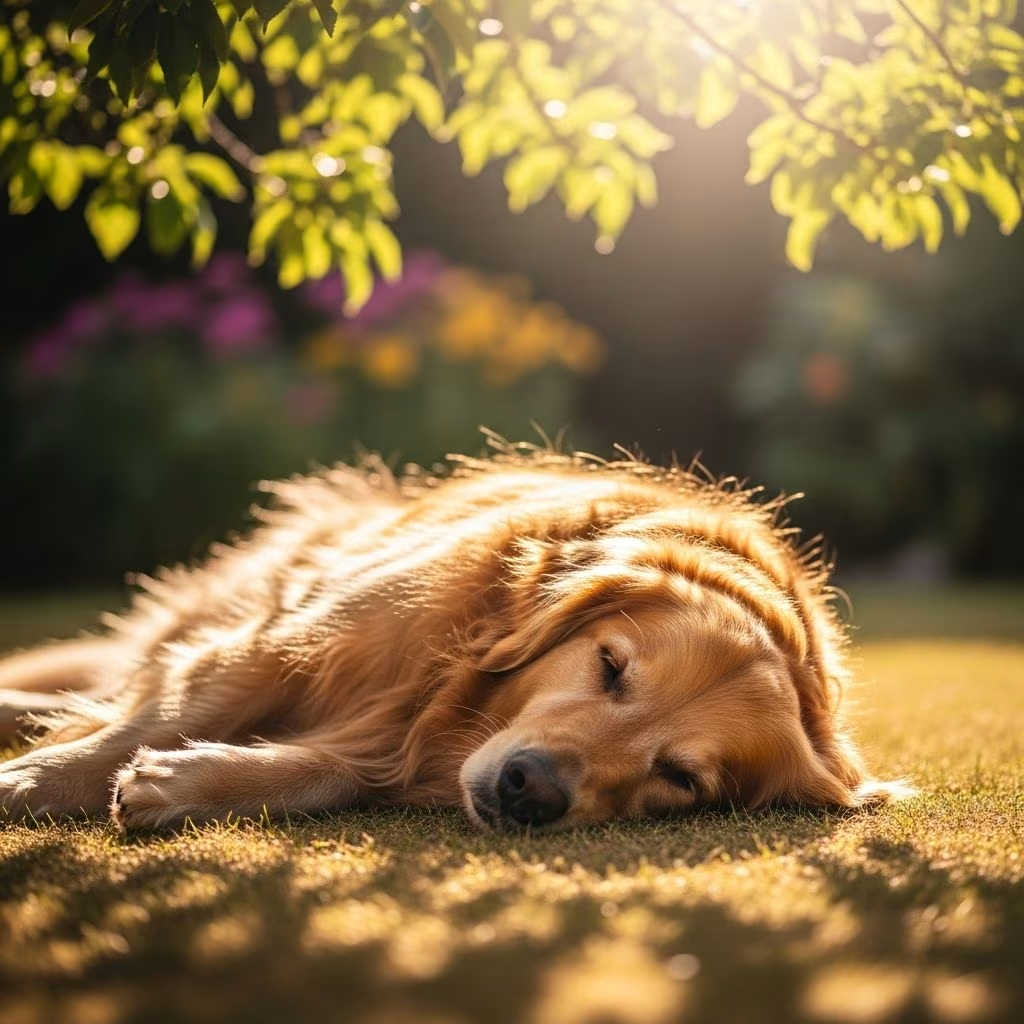
Dogs frequently seek out warm patches of sunlight to lounge in, a behavior that reveals deep biological, instinctual, and psychological roots. This seemingly simple habit provides essential warmth, supports physiological processes, and enhances overall well-being, drawing from their evolutionary past as descendants of wild canids.
The Biological Drive for Solar Warmth
At the core of a dog’s affinity for sunlight lies the need for thermal regulation. Canines maintain a body temperature ranging from 37.5°C to 39.2°C, higher than humans, making them sensitive to cooler environments indoors or during transitional weather. A sunlit spot serves as a natural heating pad, allowing blood vessels to dilate, circulation to improve, and muscles to relax without expending energy.
This warmth penetrates deeply, offering relief particularly to senior dogs or those with joint issues like arthritis. After physical activity, such as walks or play, dogs instinctively position themselves in rays to soothe soreness and accelerate recovery. Observers note that older pets make this a daily ritual, transforming sunbathing into a form of self-administered therapy.
Vitamin D Synthesis and Its Role in Canine Health
Sunlight exposure facilitates vitamin D production, crucial for bone strength, immune function, and calcium absorption. While dogs primarily derive this nutrient from food, UVB rays interact with oils on their skin and fur, converting into a form they ingest during grooming.
This process supports robust skeletal health and defends against infections. Even with fur coverage limiting direct absorption compared to humans, the supplemental vitamin D from sunbathing bolsters dietary intake, promoting shiny coats and healthy skin through stimulated oil production and antibacterial effects.
| Benefit | How Sunlight Contributes | Primary Impact |
|---|---|---|
| Strong Bones | UVB triggers vitamin D | Calcium absorption |
| Immune Support | Vitamin D supplementation | Reduced illness risk |
| Skin Health | Oil production & antibacterial | Shiny coat, less bacteria |
Circadian Rhythm Regulation Through Daylight
Exposure to natural light synchronizes a dog’s internal clock, much like in humans. Sunlight signals daytime activity, aiding melatonin production for quality nighttime rest. Pets with disrupted rhythms, such as anxious or aging dogs, benefit most, achieving deeper sleep after daytime basking.
This rhythm alignment prevents sleep disturbances, fostering alertness during the day and restorative rest at night. Regular sun sessions act as a non-pharmacological tool for better sleep hygiene in canines.
Mood Elevation and Stress Reduction
Sunlight stimulates serotonin release, the neurotransmitter linked to happiness and calm. Dogs often appear more relaxed post-sunbathing, using it as a de-stressing mechanism after high-energy days.
For anxious pets, this natural mood enhancer reduces cortisol levels, promoting tranquility. Owners report calmer behavior following sun exposure, underscoring its psychological value akin to a therapeutic retreat.
Evolutionary Roots of Sun-Seeking Behavior
Domesticated dogs inherit sunbathing from wolf ancestors, who used sunlight for energy conservation, drying fur post-swim, and safe resting while staying vigilant. In the wild, sunny spots offered warmth without calorie burn, a survival strategy retained in modern pets despite cozy homes.
This primal instinct connects dogs to feelings of security and efficiency, explaining why they ignore plush beds for floor sunbeams. It persists as a hardwired preference for optimal comfort and environmental awareness.
Physical Comforts Beyond Temperature Control
- Muscle Relaxation: Heat eases tension, ideal post-exercise.
- Joint Relief: Beneficial for arthritis, improving mobility.
- Fur Drying: Evaporates moisture efficiently after baths or rain.
- Coat Enhancement: Natural oils distribute for luster.
These comforts make sunbathing a multifunctional habit, addressing multiple needs simultaneously.
Potential Risks of Excessive Sun Exposure
While beneficial, overexposure poses hazards. Dogs with light fur or thin coats risk sunburn, especially on noses, ears, and bellies. Prolonged sessions can lead to overheating, dehydration, or heatstroke, signaled by panting, lethargy, or drooling.
Short-haired breeds like Boxers or Whippets, and those with pink skin, require monitoring. Skin cancer risks rise with chronic UV damage, mirroring human concerns.
Safe Sunbathing Guidelines for Pet Owners
Maximize benefits while minimizing risks with these practices:
- Limit sessions to 10-20 minutes, adjusting for breed and weather.
- Provide shade and water nearby.
- Use pet-safe sunscreen on vulnerable areas.
- Avoid peak sun hours (10 AM-4 PM).
- Watch for overheating signs and intervene promptly.
Indoor alternatives like grow lights mimic UVB for vitamin D without heat risks.
Breeds Most Prone to Sun Worship
| Breed Group | Examples | Why They Love It |
|---|---|---|
| Short-Haired | Labrador, Boxer | Less fur insulation needs warmth |
| Senior Dogs | All breeds over 8 years | Joint relief primary |
| High-Energy | Border Collie, Husky | Post-play recovery |
Enhancing Your Dog’s Sun Time Experience
Join your dog outdoors for bonding; shared relaxation strengthens ties. Position outdoor beds in safe sun patches. Track behavior changes to gauge benefits, consulting vets for persistent issues.
Seasonal adjustments matter: more sun in winter for warmth, less in summer for cooling.
Frequently Asked Questions
Is sunbathing healthy for all dogs?
Moderation is key; most benefit, but consult a vet for skin conditions or brachycephalic breeds prone to overheating.
How much sun is too much?
Under 30 minutes daily suffices for most; monitor for red skin or distress.
Can indoor dogs get enough sunlight?
Window light helps but lacks full UVB; supplement with safe outdoor time or lamps.
Does fur color affect sun needs?
Yes, light-coated dogs absorb more heat and UV, needing extra caution.
What if my dog avoids the sun?
Possible vitamin D deficiency or heat sensitivity; vet check recommended.
References
- Why Dogs Love Sunbathing – Good Dog People™ — Good Dog People. 2023. https://gooddogpeople.com/blogs/dog-talk/why-dogs-love-sunbathing
- Why Do Dogs Like Sunbathing? Understanding Our Furry Friends… — Houndsy. 2023. https://www.houndsy.com/blogs/modern-tails/why-do-dogs-like-sunbathing-understanding-our-furry-friends-love-for-the-sun
- Why Do Dogs Sunbathe? | JustFoodforDogs Blog — JustFoodForDogs. 2023. https://blog.justfoodfordogs.com/why-do-dogs-sunbathe.html
- From Warmth to Wellness – The Real Reasons Dogs Soak Up the Sun — Bark & Whiskers. 2025-10-03. https://www.barkandwhiskers.com/2025-10-03-dogs-sunbathe/
- Why Dogs Enjoy Sunbathing – Sit Means Sit San Antonio — Sit Means Sit. 2023. https://sitmeanssit.com/dog-training-mu/san-antonio-dog-training/why-dogs-enjoy-sunbathing/
- Why Dogs Sleep In The Sun | PetCareRx — PetCareRx. 2023. https://www.petcarerx.com/article/why-dogs-sleep-in-the-sun/3388



