

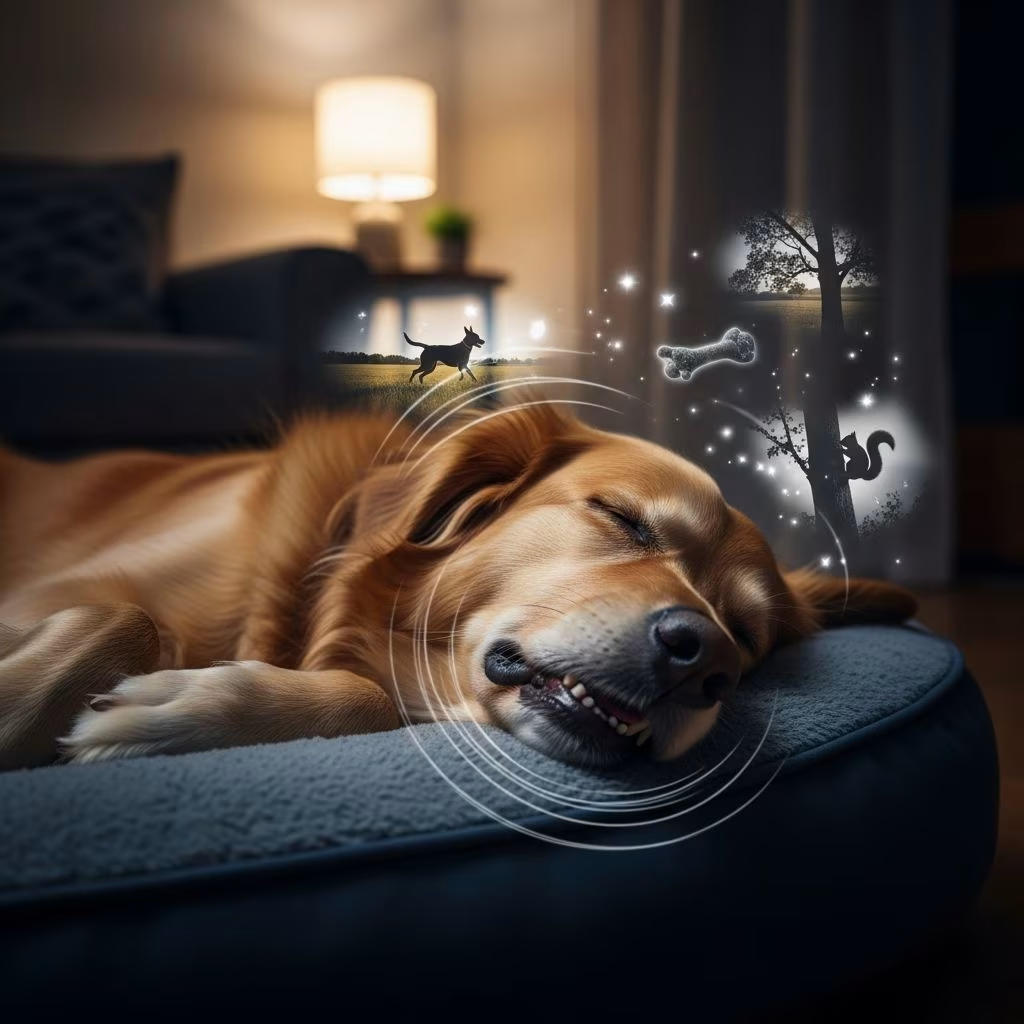
Dogs barking during sleep is a common sight for many pet owners, often accompanied by twitching legs or soft whines. This behavior typically stems from natural dreaming processes during REM sleep stages, but it can occasionally signal underlying issues like anxiety or health problems. Understanding these vocalizations helps owners differentiate harmless quirks from concerns requiring attention.
The Science of Canine Sleep Cycles
Dogs experience sleep much like humans, cycling through non-REM and REM phases. Non-REM sleep focuses on physical restoration, lowering heart rate and body temperature, while REM—marked by rapid eye movements—is when most dreaming happens. During REM, dogs may vocalize, paddle their paws, or make whimpering sounds as their brains process daily experiences.
Small breeds cycle into REM more frequently, every 10-15 minutes, leading to more noticeable barking episodes compared to large breeds, which align closer to human 90-minute cycles. Puppies and seniors also dream more vividly due to higher REM proportions in their sleep patterns.
- Non-REM phase: Deep rest for tissue repair and energy restoration.
- REM phase: Brain activity spikes; dreams replay chases, play, or hunts.
- Cycle frequency: Varies by size—smaller dogs bark more often at night.
Dreaming: The Primary Culprit Behind Sleep Barks
The leading explanation for dogs barking in sleep is active dreaming. As mammals, dogs’ brains suppress full muscle movement via atonia during REM to prevent acting out dreams physically. However, partial breakthroughs allow barks, growls, or ‘running’ motions, mimicking daytime activities like chasing squirrels or greeting friends.
These dreams often reflect real-life events, with active or working dogs showing more intense episodes. A content dog might emit happy yips, while stressed ones produce sharper barks. Observing patterns—such as barks following park visits—can confirm this benign cause.
| Breed Size | REM Cycle Length | Likelihood of Barking |
|---|---|---|
| Small (e.g., Chihuahua) | 10-15 minutes | High |
| Medium (e.g., Beagle) | 20-45 minutes | Moderate |
| Large (e.g., Labrador) | ~90 minutes | Low |
Less Common Triggers for Nocturnal Vocalizations
Beyond dreams, other factors can prompt sleep barking. Medications, especially new ones or dosage changes, may disrupt sleep architecture, causing unusual noises that often subside as the dog adjusts. Anxiety from life changes—like moves, new pets, or separations—manifests in restless sleep with barks signaling distress.
Rarely, REM Sleep Behavior Disorder (RBD) occurs, where atonia fails, leading to full dream enactment like standing, chasing shadows, or aggressive barks. This mirrors human RBD and warrants veterinary evaluation if accompanied by disorientation upon waking.
- Medication side effects: Monitor for 1-2 weeks; consult vet if persistent.
- Anxiety indicators: Recent stressors correlate with increased episodes.
- RBD signs: Physical movement beyond twitches; potential injury risk.
When Sleep Barking Signals Health or Discomfort Issues
Not all barks are dream-related. Pain from arthritis, dental problems, or gastrointestinal upset can cause reflexive vocalizations during position shifts. Seniors might bark due to cognitive dysfunction syndrome (CDS), akin to dementia, causing confusion and night waking. Hearing or vision loss heightens reactivity to subtle noises.
Distinguish by context: dream barks cluster in REM (eyes moving, relaxed body), while pain barks are sporadic, tense, or paired with limping/whining when awake. Sudden onset in older dogs demands prompt vet checks for underlying conditions.
Normal vs. Abnormal Sleep Behaviors: A Guide
Most sleep movements are harmless, including tail wags, ear flicks, shallow breathing, and occasional barks. These peak 20-30 minutes into sleep as REM begins. Abnormal signs include excessive panting, convulsions, foaming, or post-wake aggression—emergencies needing immediate care.
| Normal Behaviors | Concerning Signs |
|---|---|
| Twitching paws, soft barks, eye fluttering | Violent thrashing, loud cries, rigidity |
| Short episodes (under 1 min), relaxed posture | Prolonged (over 2 min), stiff body, disorientation |
| Follows active day, varies by breed | Sudden change, daytime lethargy |
Strategies to Promote Calm Nights
Enhance sleep quality to minimize disruptive barks. Establish routines: evening walks expend energy, dim lights signal bedtime, and a quiet crate near family reduces isolation anxiety. Puzzle toys or chews pre-bed provide mental fatigue.
For anxiety-driven barks, calming aids like pheromone diffusers or vet-recommended supplements help. White noise machines mask external sounds, while consistent schedules stabilize cycles. Avoid waking barking dogs abruptly to prevent startle responses.
- Daily exercise: 30-60 minutes based on breed needs.
- Cozy setup: Orthopedic bed in low-traffic area.
- Monitor patterns: Video sleep sessions for vet sharing.
- Gradual crate training: Positive associations from puppyhood.
Age-Specific Insights on Sleep Barking
Puppies bark frequently due to immature sleep cycles and vivid dreams processing new stimuli. Adults stabilize around 12-18 months. Seniors face CDS, pain, or sensory decline, increasing barks—annual wellness exams catch these early.
Working breeds (e.g., herders) dream more intensely, replaying tasks. Neutered/spayed dogs show no major differences, but obesity disrupts sleep, amplifying vocalizations.
FAQs: Common Questions About Dogs Barking in Sleep
Is it bad to wake a dog barking in their sleep?
Gently touching or calling their name is safer than shaking, as they may be disoriented and snap reflexively. Most settle quickly if dreaming.
Why do some dogs bark more than others?
Breed size, activity level, and age influence REM frequency. High-energy dogs process more in dreams.
Can diet affect sleep barking?
Yes—caffeine traces in treats or late feeding cause restlessness. Opt for balanced evening meals.
Should I be worried if my dog growls in sleep?
Usually dream-related, but paired with daytime changes, check for pain or stress.
How much sleep do dogs need?
Adults: 12-14 hours; puppies: 18-20; seniors: variable with naps.
Expert Tips for Long-Term Sleep Health
Veterinarians emphasize holistic approaches: regular checkups rule out issues, while behaviorists recommend enrichment. Track episodes in a journal noting duration, triggers, and post-sleep demeanor for patterns. If barks escalate or injure your dog, neurological consults may be needed.
Ultimately, occasional sleep barking enriches our view of dogs’ inner worlds, blending playfulness with instinct. Responsive care ensures restful nights.
References
- Why Do Dogs Bark in Their Sleep? — PetMD. 2023. https://www.petmd.com/dog/general-health/why-do-dogs-bark-their-sleep
- Why does my dog bark in his sleep? — Snoozer Pet Products. 2022-12. https://snoozerpetproducts.com/2022/12/why-does-my-dog-bark-in-his-sleep/
- Reasons for Your Dog’s Odd Sleep Behaviors — Hill’s Pet Nutrition. 2023. https://www.hillspet.com/dog-care/behavior-appearance/odd-dog-sleeping-behaviors
- Why Do Dogs Bark in Their Sleep? — TrustedHousesitters. 2023. https://www.trustedhousesitters.com/blog/pets/why-dogs-bark-in-sleep/
- Do Dogs Dream? Nearly Everything Your Dog Wants You to Know — Stanley Coren, University of British Columbia (via PetMD). 2010 (referenced 2023). https://www.petmd.com/dog/general-health/why-do-dogs-bark-their-sleep



